The Bottom Line
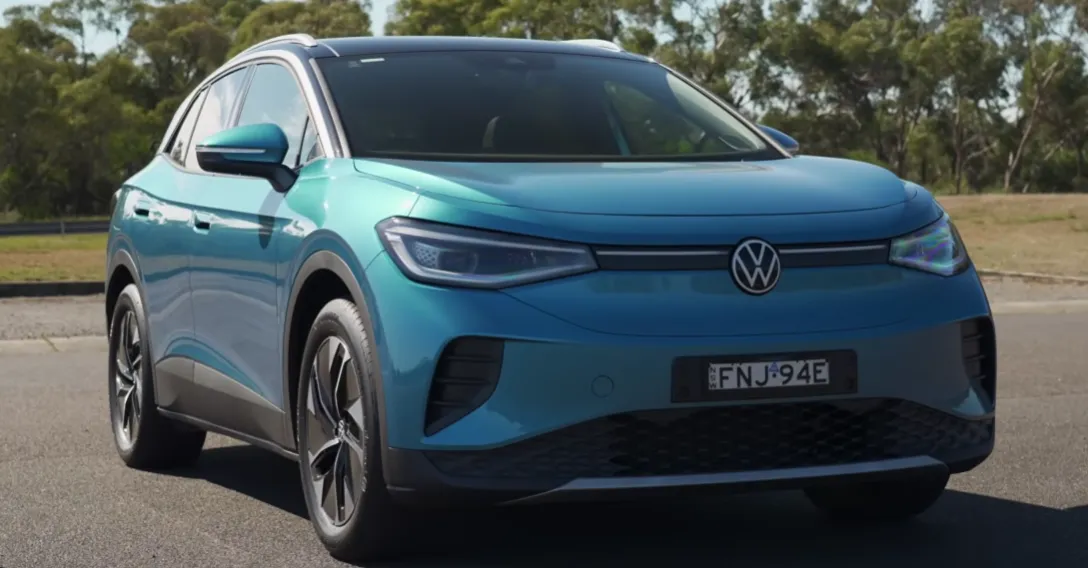
I drove the 2025 VW ID.4 Pro AWD from Las Vegas to Sedona, with my wife. The EPA says 263 miles of range. What the desert heat, 72 mph highway speed, and a 5,000-foot elevation climb actually delivered was a different number. We made it. But the moment the battery hit 18 percent with 47 miles to the next charger is the most honest EV experience I’ve had behind a wheel. There’s also an active recall on this car you need to know about before you buy one. The whole story is below.
My wife had been asking about Sedona for months.
Red rocks. Hiking trails. A long weekend away from Las Vegas without flying anywhere. She ha
d the whole thing planned before I even mentioned I had the ID.4 on a three-week lease.
“Perfect,” she said. “Road trip car.”
I did not tell her that 280 miles each way in an EV with a 263-mile EPA rating and Arizona desert heat was going to require some planning. I did my planning quietly. I downloaded PlugShare. I mapped the Electrify America stations along I-40. I noted the one in Flagstaff, 47 miles past Kingman, and told myself we’d be fine.
We were fine. But the moment between Kingman and Flagstaff when the battery dropped to 18 percent is the most honest EV review I’ve ever done, because it was not planned and it was not comfortable.
Here’s the full account.
What the ID.4 Pro AWD Actually Is
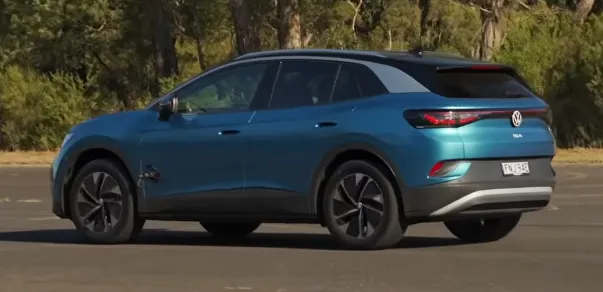
Starts at $50,420 for the all-wheel drive Pro. The Pro S AWD goes to $55,520. VW simplified the 2025 lineup around the larger 82 kWh battery pack. The smaller battery option is gone for now, which pushed the entry price up significantly from 2024.
The AWD version makes 330 horsepower from dual motors. Zero to 60 in about 5.4 seconds. EPA range on the AWD version is 263 miles. The RWD version does 291 miles. That 28-mile difference matters on a road trip and I’ll come back to why choosing AWD for a desert highway trip deserves more thought than most buyers give it.
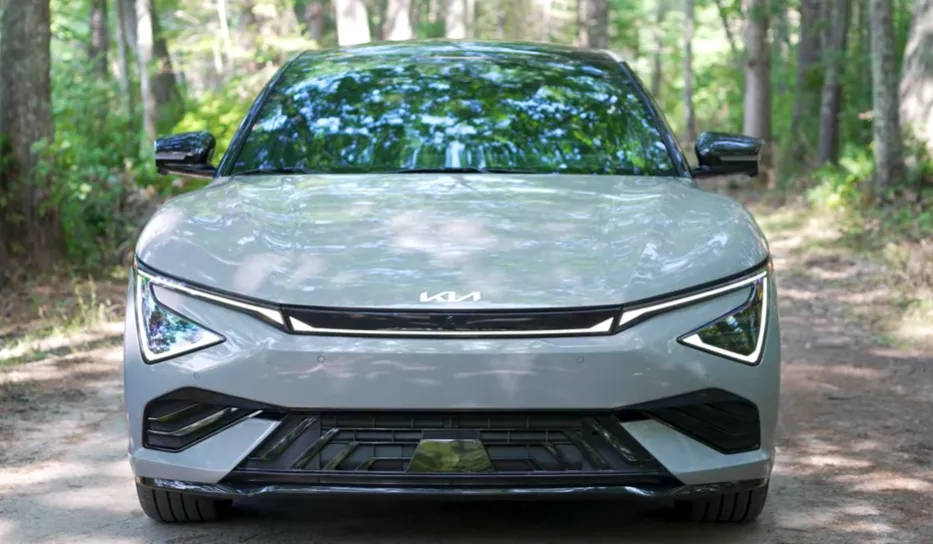
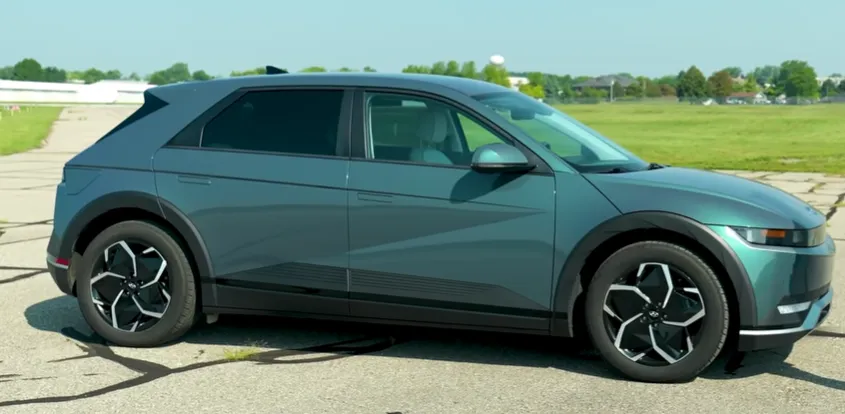
Charging on a 150 kW DC fast charger: 10 to 80 percent in about 30 minutes under ideal conditions. Per Volkswagen’s quoted figures. That charger speed ceiling is where the ID.4 loses ground to the Ioniq 5 and EV6, both of which use 800-volt architecture and charge significantly faster at equipped stations.
The 12.9-inch infotainment touchscreen is large and responsive when it works. More on the “when it works” part shortly.
One thing to know upfront before anything else in this review:
As of early 2026, roughly 44,000 2023-2025 Volkswagen ID.4s in the United States are under recall for a high-voltage battery fire risk. Owners are being advised to limit charging and avoid certain DC fast charging situations until software updates and, in some cases, battery module replacements are completed. Per Recharged’s reporting from February 2026. Check your specific VIN through the NHTSA recall database before driving this vehicle anywhere. This is not a minor software glitch. It is a real safety issue that Volkswagen is actively addressing and it belongs at the top of any honest ID.4 review written in 2025 or 2026.
The Drive Out: Las Vegas to Flagstaff
We left on a Friday morning. Full charge. 263 miles showing on the display. Sedona is 278 miles from our driveway.
My wife noticed the gap immediately. “It says 263 and we need 278,” she said, looking at the screen.
I told her we’d charge in Flagstaff. She nodded and went back to her podcast.
I-15 south to I-11 to US-93 into Arizona, then I-40 east toward Flagstaff. The first stretch through the Nevada desert is flat and fast. We set cruise at 72 mph. The AC was running. It was 96 degrees by 10am.
Here is the thing about EV range that the EPA number does not tell you: highway speed, desert heat with AC running, and a significant elevation gain from Las Vegas at roughly 2,000 feet to Flagstaff at 7,000 feet will eat your range faster than any lab test accounts for. At 72 mph the ID.4 was tracking closer to 210 to 220 miles of real range, not 263. By the time we passed Kingman with the battery at 31 percent, Flagstaff was still 92 miles away.
The math was not comfortable.
By Williams, Arizona, the battery was at 18 percent. Flagstaff was 47 miles ahead. The ID.4’s display was showing a projected arrival with 7 percent battery remaining. Seven percent. In a car under a battery fire recall that VW was telling owners to be cautious about charging aggressively.
My wife was calm. She changed her podcast and asked if I wanted a snack from the bag in the back.
I did not want a snack.
We made it to the Electrify America station in Flagstaff with 9 percent battery. Two percent better than projected. I have never been so pleased about two percent of anything in my life.
The 40 Minutes in Flagstaff
The Electrify America station off I-40 in Flagstaff has six stalls. Two were occupied when we arrived. We plugged in at 150 kW. Charging started immediately.
My wife got out, stretched, walked to a coffee shop across the parking lot, and came back with two drinks and a pastry. She was gone about 25 minutes.
We sat in the car for the remaining 15 minutes while the battery climbed from 9 to 80 percent. Total stop time: 41 minutes.
This is where the ID.4’s charging speed is its most honest limitation. The Ioniq 5 with its 800-volt architecture and 250 kW peak charging rate would have done the same recovery in roughly 18 to 20 minutes. The ID.4 caps at 150 kW. At a station capable of delivering more power, the ID.4 leaves that capacity on the table.
For a single charging stop on a weekend trip, 41 minutes is manageable. On a longer multi-day road trip with multiple charging stops, that gap accumulates. Two stops at 40 minutes each versus two stops at 20 minutes each is an hour and twenty minutes of your vacation either spent waiting or spent driving.
My wife finished her pastry and said: “I kind of liked the break.”
She has a better attitude about charging stops than I do.
Sedona to Las Vegas: The Return With a Plan
On Sunday afternoon we charged to 100 percent in Sedona before leaving. Sedona has limited fast charging options so we used a Level 2 charger at our accommodation overnight. Started the return trip full.
The return drive from Flagstaff to Las Vegas is mostly downhill. The elevation drop from 7,000 feet to 2,000 feet regenerates real energy back into the battery through regenerative braking. By the time we hit Kingman on the return, the battery was tracking better than the outbound trip had.
We stopped in Kingman for 20 minutes at a fast charger. Arrived back in Las Vegas with 22 percent battery.
The difference between the two directions of the same trip, with the same car and the same weather, was significant. Elevation matters in an EV in ways that gas car drivers don’t think about and EV buyers underestimate until they experience it on a real road trip.
Planning the return trip around the downhill run instead of fighting the uphill climb changed the experience entirely.
What the ID.4 Got Right
The cabin comfort across 560 miles of desert highway was genuinely good. The seats held both of us through long stretches without complaint. Road noise at 70 mph was well controlled. The dual-zone climate kept the cabin at separate temperatures for driver and passenger without any negotiation, which matters more on a five-hour drive than it does in a parking lot.
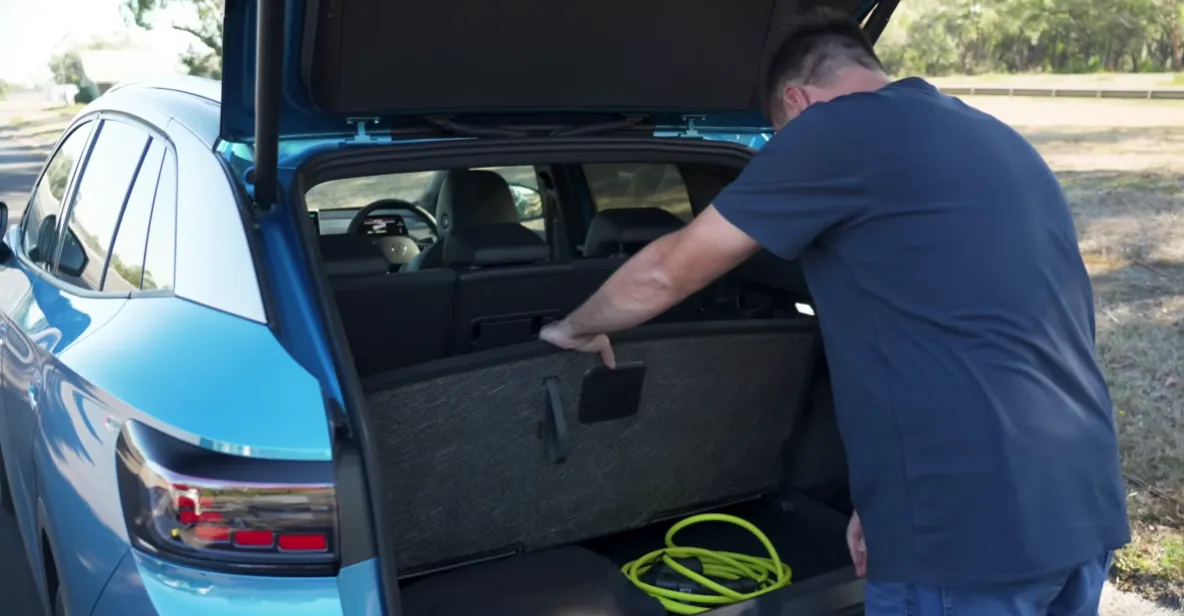
The cargo space handled two people’s weekend bags and hiking gear without any creative packing. The ID.4’s SUV proportions give it a practical rear cargo area that the Ioniq 5’s more stylized shape doesn’t match.
Wireless CarPlay connected every time we started the car. No fiddling, no re-pairing, no asking the car to remember our phones. This sounds basic. In practice across multiple EVs it’s the kind of thing you notice specifically when it works without thinking about it.
The one-pedal driving mode in city traffic around Sedona was smooth and predictable. Lift the accelerator and the car slows itself. By Sunday morning my wife was using it without coaching from me. She said it made stop-and-go traffic feel less tedious.
What the ID.4 Gets Wrong
The infotainment software has real problems that VW has not fully resolved. The system froze once on Saturday afternoon in Sedona and required a full reboot while parked. Black screen, 45-second restart, back to normal. Owners across forums report this happening regularly. VW pushes over-the-air updates but the underlying software instability has been a complaint since the ID.4 launched and the 2025 model has not eliminated it.
The charging speed ceiling at 150 kW is a daily-driving non-issue and a road-trip friction point. At home overnight charging it’s invisible. On a trip like Las Vegas to Sedona where you are making a charging stop under some pressure, every minute at the charger has weight. Buyers who road trip frequently and cross-shop the ID.4 against the Ioniq 5 or EV6 should factor in not just range but charging speed before deciding.
And the recall. Already covered at the top but worth repeating plainly: 44,000 2023-2025 ID.4s are under active recall for battery fire risk. VW is working through software updates and hardware replacements. This is not a reason to automatically avoid the vehicle. It is a reason to verify your specific VIN is cleared before taking delivery of any 2025 ID.4, new or used.
Who This Car Is Actually For
The ID.4 works best for buyers who charge primarily at home, drive mostly within a single charge’s range, and take road trips infrequently or are willing to plan them carefully around charging stops.
It is a strong daily-driver EV with a comfortable cabin, practical cargo space, and enough range for most daily driving patterns. The 263-mile AWD range covers nearly any week’s worth of commuting without a second thought.
It is a more demanding road-trip EV than the Ioniq 5, EV6, or Tesla Model Y because of the charging speed ceiling. Not impossible. Demanding. The Las Vegas to Sedona round trip was completely doable and ultimately comfortable. It required planning that a gas car driver would never think about.
For buyers who road trip regularly and want an EV that handles it with minimum friction: look at the Ioniq 5 or EV6 first. For buyers who want a well-built, comfortable EV for primarily daily and regional use, the ID.4 makes a genuine case.
Resolve the recall situation before buying anything. That is not negotiable advice.
Reliability
Consumer Reports rates the 2025 ID.4 as average reliability compared to other vehicles in its model year. That rating, combined with the active recall and the ongoing infotainment complaints, paints a picture of a vehicle that works reliably for most owners in most situations but has specific areas that VW has not fully resolved.
The battery and electric motor warranty covers 8 years or 100,000 miles. That coverage is standard across the EV industry and is the most important protection for the most expensive components.
No additional powertrain issues beyond the battery recall have emerged consistently in owner data for the 2025 model.
Frequently Asked Questions
What is the real-world range of the 2025 Volkswagen ID.4 on a highway road trip?
At 70 to 75 mph with AC running, expect 75 to 85 percent of the EPA rating. The AWD Pro’s 263-mile EPA range translates to roughly 197 to 224 miles in real highway driving. Add elevation gain and hot weather and that number moves toward the lower end. Plan your charging stops around 210 miles between stations rather than the EPA figure and you will arrive relaxed.
Is the 2025 Volkswagen ID.4 under recall?
Yes. As of early 2026 roughly 44,000 2023-2025 ID.4s in the US are under recall for a high-voltage battery fire risk. VW is addressing it through software updates and hardware replacements. Check the NHTSA recall database with your specific VIN before purchasing or driving any 2025 ID.4.
How long does it take to charge the 2025 ID.4?
On a 150 kW DC fast charger, 10 to 80 percent takes approximately 30 minutes under ideal conditions. At home on a Level 2 charger, expect around 7 to 8 hours for a full charge. The ID.4 does not support charging speeds above 150 kW, which is slower than competitors like the Ioniq 5 and Kia EV6 at high-power stations.
Does the 2025 Volkswagen ID.4 qualify for the federal EV tax credit?
No. The 2025 ID.4 is not currently eligible for the US federal EV tax credit. A 2025 budget law has rolled back most remaining EV credits. Verify current incentive availability through the IRS or with your dealer before purchasing.
How does the ID.4 compare to the Hyundai Ioniq 5?
The Ioniq 5 charges faster with 250 kW peak charging versus the ID.4’s 150 kW. The Ioniq 5 has a more distinctive interior and slightly more cargo space on some configurations. The ID.4 has a more traditional SUV shape that some buyers prefer and a larger cargo area. For road-tripping specifically, the Ioniq 5’s charging speed advantage is meaningful. For daily driving the two are much closer.
Is the VW ID.4 good for families?
Yes for daily family use. The cargo area is practical, the rear seat has adequate space for adults, and the cabin comfort on longer drives is strong. The road-trip limitations around charging speed and real-world range require more planning than gas-powered family SUVs. For families who charge at home nightly and road trip infrequently, the ID.4 handles family duty well.