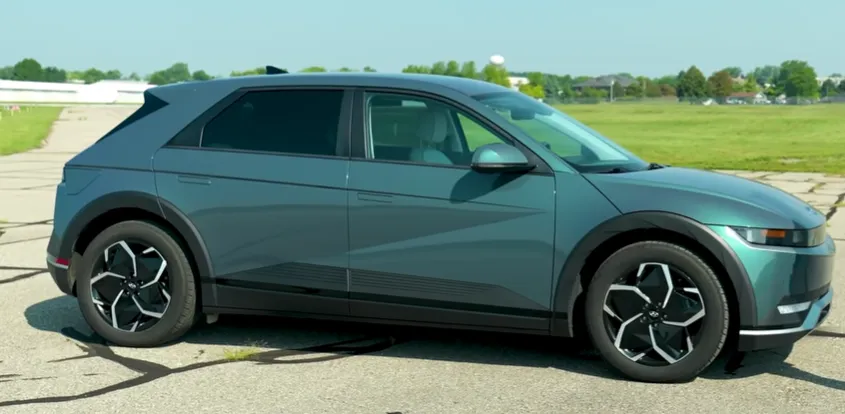
Something weird happened during my three weeks with the Ioniq 5. I stopped comparing it to other EVs.
Not because it’s so good that comparisons feel pointless. More because it started feeling like a different category of thing. Like comparing a really good coffee from a small cafe to a gas station coffee. They’re both coffee. But they’re not really the same experience.
Let me explain what I mean. And let me do it by putting the Ioniq 5 next to every major rival it competes with. Because that’s the only honest way to tell this story.
Key Takeaways
- The 2026 Ioniq 5 starts around $35,000 after a significant price cut Hyundai made for this model year. That matters a lot.
- Real-world range on the long-range rear-wheel-drive version hits around 300 to 315 miles in mixed conditions. Genuinely impressive.
- The 800-volt architecture charges faster than almost anything else in this class. Ten to eighty percent in about 20 minutes on a fast charger. Source: Hyundai, 2026.
- Interior space feels like a much bigger vehicle. The flat floor and boxy design make the inside roomier than the outside dimensions suggest.
- The frunk is almost useless. 0.85 cubic feet. Fits the charging cable and not much else.
- Hyundai dropped the base price below the federal EV tax credit threshold for 2026. Depending on your income that could mean real money back.
- This is the EV Danny would recommend to most first-time EV buyers right now. And that’s a sentence he didn’t expect to write.
Round One: Ioniq 5 vs Tesla Model Y
Let’s start with the obvious one.
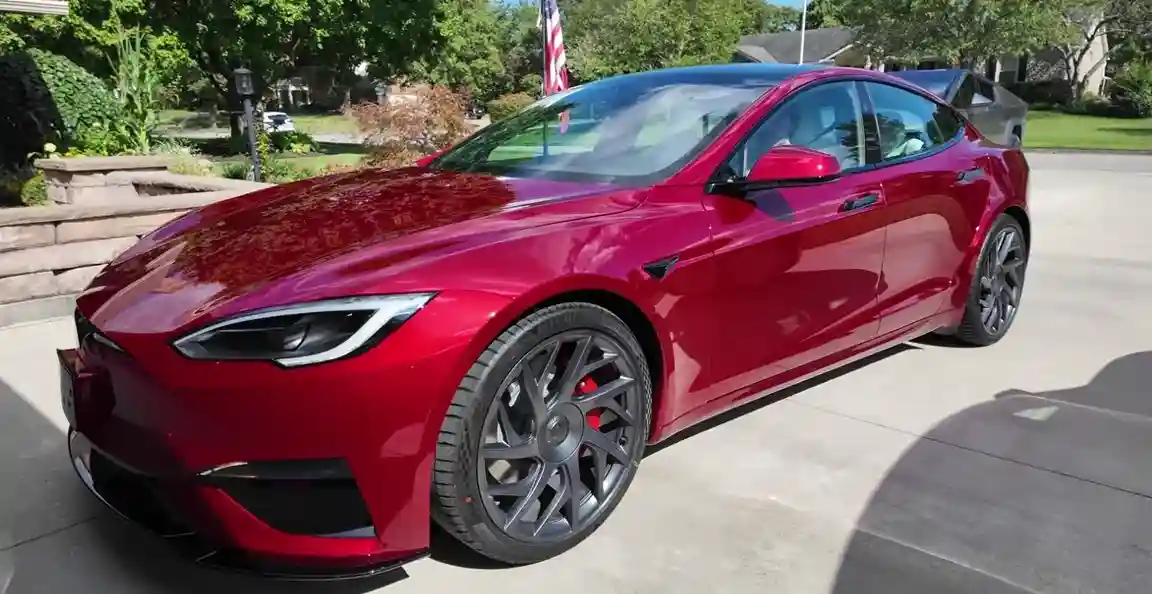
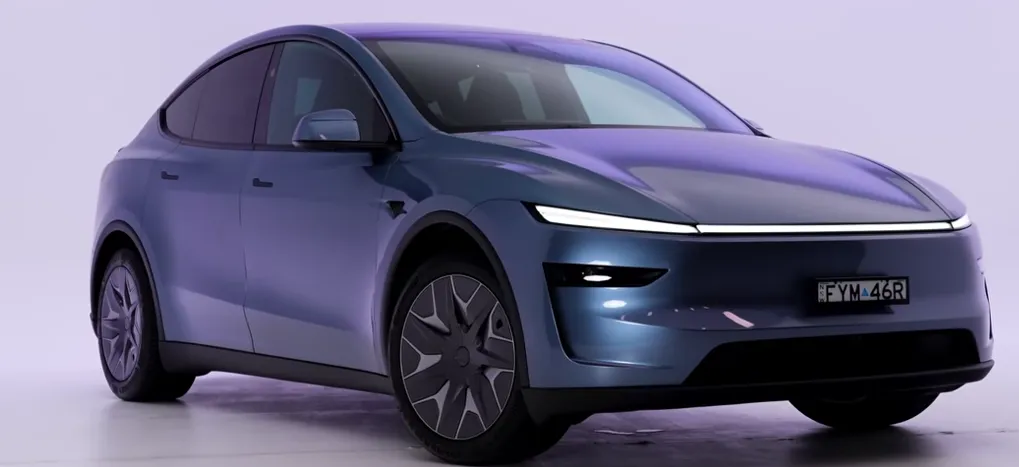
Tesla Model Y is the most popular EV in America. Everybody knows it. Everybody either wants one or has an opinion about one. So how does the Ioniq 5 actually stack up?
Charging speed. This is where Hyundai wins and wins clearly.
The Ioniq 5 uses 800-volt architecture. The Model Y uses 400-volt. In plain terms that means the Ioniq 5 charges dramatically faster at a DC fast charger. About 20 minutes from 10 to 80 percent on a 350-kW charger. The Model Y takes roughly 25 to 30 minutes at its best. Source: Autoblog, 2026.
On a short commute that difference is invisible. On a road trip that difference changes your day.
Range. Tesla wins here. The Model Y Long Range does around 330 miles in real conditions. The Ioniq 5 long range RWD gets around 310 to 315 in similar conditions. Not a massive gap. But real. Source: EPA estimates, 2026. Interior. No contest.
The Model Y interior is polarizing. Minimal. Almost sterile. One giant screen controls everything including adjusting your mirrors. Some people love it. Some people find it cold and confusing. My wife sat in a Model Y for ten minutes at an auto show last year and said “it feels like a waiting room.”
The Ioniq 5 interior is different. Warm. Interesting. The seats are wide and comfortable and covered in a material that feels premium without being fussy. There’s a sliding center console that moves back and forth which sounds gimmicky until you use it and realize it genuinely makes getting in and out easier. Physical buttons for climate. Actual knobs. The kind of thing humans have been using for decades because they work while driving without looking.
My daughter got in the back on day two and immediately said it felt like a spaceship.
She’s not wrong. The interior design is genuinely distinctive in a way that almost nothing at this price manages.
Software. Tesla wins.
The Tesla software ecosystem is more mature, more frequently updated over the air, and smoother in daily use than Hyundai’s system. That gap is real and anyone who pretends otherwise hasn’t used both cars daily.
Price. Hyundai wins in 2026.
The base Ioniq 5 now starts around $35,000 before the federal tax credit. That’s below the threshold that qualifies for the full $7,500 credit depending on your income. The Model Y starts higher and its credit eligibility has been less consistent. Source: IRS Clean Vehicle Credit guidelines, 2026.
| Feature | Ioniq 5 SEL AWD | Tesla Model Y Long Range |
|---|---|---|
| Starting Price | ~$42,000 | ~$47,000 |
| Real Range | ~290 miles | ~330 miles |
| Charging Speed | 250 kW | 250 kW Supercharger |
| Charging Time 10-80% | ~20 min | ~25-30 min |
| Interior Feel | Warm, distinctive | Minimal, polarizing |
| Software | Good | Best in class |
| Frunk | 0.85 cu ft | 4.8 cu ft |
Verdict. If software and range are your top priorities, Model Y. If charging speed, interior feel, and value matter more, Ioniq 5.
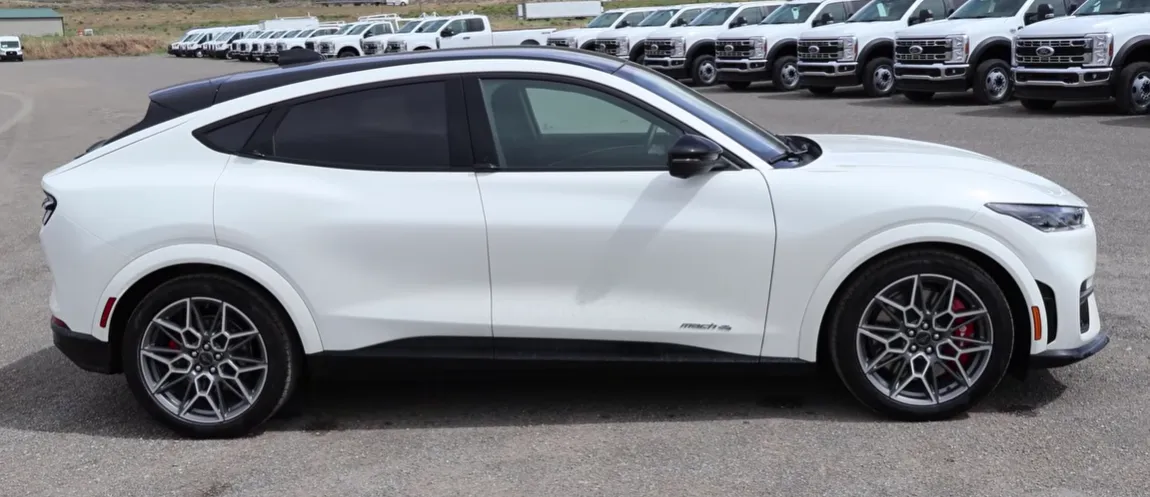
Round Two: Ioniq 5 vs Ford Mustang Mach-E
This one is closer than people expect.
The Mach-E is a genuinely good EV. I said that in the Mach-E piece on this site. But the comparison against the Ioniq 5 exposes some gaps.
Charging speed. Ioniq 5 wins. Again.
The Mach-E maxes out at 150 kW DC fast charging. The Ioniq 5 does 250 kW. On a road trip that’s not a small difference. It’s a 30 to 40 minute stop versus a 20 minute stop. Source: Autoblog, 2026.
Range. About equal.
Both get around 270 to 300 miles in real conditions depending on trim and battery. Neither dominates here.
Interior. Ioniq 5 wins for space. Mach-E wins for familiarity.
The Mach-E interior is recognizably Ford. Familiar. Easy to adapt to if you’re coming from a regular car. The Ioniq 5 interior is more ambitious. More interesting. But it takes a day or two to feel natural.
The space difference is real though. The Ioniq 5’s boxy design gives it noticeably more interior volume than the Mach-E’s sleeker crossover shape. Rear seat space in the Ioniq 5 is generous. 38.4 inches of rear legroom. Source: Hyundai, 2026. The Mach-E has less. You feel it immediately if you’re tall or if you’re putting adults in the back regularly.
Price. Similar starting points. Ioniq 5 wins on value.
After Hyundai’s 2026 price cut the Ioniq 5 undercuts the Mach-E on comparable trims while offering faster charging and more interior space. That’s a hard combination to argue against.
| Feature | Ioniq 5 SEL AWD | Mach-E Premium AWD |
|---|---|---|
| Starting Price | ~$42,000 | ~$47,000 |
| Rear Legroom | 38.4 inches | 33.8 inches |
| Max Charge Speed | 250 kW | 150 kW |
| Real Range | ~290 miles | ~250 miles |
| Interior Feel | Spacious, distinctive | Familiar, Ford-like |
Verdict. For most buyers the Ioniq 5 wins this one on charging speed, interior space, and value. The Mach-E wins on familiarity and the Ford ecosystem if that matters to you.
Round Three: Ioniq 5 vs Chevrolet Equinox EV
This one is interesting.
The Equinox EV is new and it’s going after exactly the same buyer as the Ioniq 5. Affordable. Practical. Family-friendly EV. Starts around $35,000.
Price. Dead even.
Both now start around $35,000 before credits. Both potentially qualify for the $7,500 federal tax credit. This is a genuinely competitive starting point for both.
Range. Ioniq 5 wins.
The Equinox EV long range gets around 300 miles. The Ioniq 5 long range RWD gets around 318 miles. Source: EPA, 2026. The gap is small. But in an EV range comparison small gaps matter to buyers with range anxiety.
Charging speed. Ioniq 5 wins clearly.
The Equinox EV charges at 150 kW maximum. The Ioniq 5 does 250 kW. Same story as the Mach-E comparison. At a fast charger the Ioniq 5 gets you back on the road faster every single time.
Interior. Honestly close.
The Equinox EV interior is clean and modern. Better than most people expect from a Chevy. But the Ioniq 5 interior feels more intentional. More considered. The materials are better. The design is more distinctive. That matters to some buyers and not at all to others.
Reliability. Unknown on the Equinox EV. Hyundai has a longer track record on the Ioniq 5 at this point.
| Feature | Ioniq 5 SE RWD | Chevy Equinox EV 1LT |
|---|---|---|
| Starting Price | ~$35,000 | ~$35,000 |
| Real Range | ~318 miles | ~300 miles |
| Max Charge Speed | 250 kW | 150 kW |
| Interior Feel | Distinctive, spacious | Clean, modern |
| Reliability Data | Good, 3+ years | Limited, newer model |
Verdict. At the same price the Ioniq 5 charges faster and goes farther. Unless you strongly prefer GM or need something the Equinox specifically offers, the Ioniq 5 wins this comparison.
What Three Weeks Actually Felt Like
Okay. Numbers are done. Here’s the real part.
Day one I plugged it in overnight at home using the Level 2 charger in the garage. Woke up to a full battery. 318 miles showing on the display.
I stared at that number for a second. Then I laughed a little because I’d been driving gas cars my whole life and starting every day with a “full tank” without ever going to a station felt genuinely strange in the best way.
School run. The Ioniq 5 is quiet. Seriously quiet. Pulling away from the house the only sound is the hum of tires on pavement. My son asked from the back seat “is it on?” on day one.
Yes. It’s on.
The acceleration from a stop is immediate. The dual motor AWD version makes 320 horsepower. Zero to 60 in about 5.1 seconds. Source: Hyundai, 2026. In a school zone you never need that. On a highway on-ramp it makes merging feel almost casual.
Day five I tested the fast charging at a 350-kW station near our house. Started at 11 percent. Hit 80 percent in 19 minutes. I timed it. I bought a coffee. I came back and it was almost done. That’s the 800-volt architecture doing its thing and it’s genuinely impressive compared to every other EV I’ve driven at a public charger.
My wife drove it on day eight. She doesn’t care about EVs the way I do. She asked two things when she got back. One: “where do I plug it in tonight?” Two: “can we get one of these?”
That second question was not expected.
The sliding center console. I know it sounds like a gimmick. It’s not. Slide it back and the front of the car opens up into this flat open space that makes getting in and out feel easy and uncluttered. My daughter figured out how to slide it herself on day three and treated it like a toy. Which it kind of is. But a useful one.
The frunk though. 0.85 cubic feet. I opened it on day two expecting bonus storage. There was the charging cable. And that was basically it. A folded thin jacket if you really tried. That’s it. Genuinely disappointing for a vehicle that costs $40,000 plus.
What the Inside Actually Feels Like for Families
Rear seat legroom.
38.4 inches. Source: Hyundai, 2026. In a vehicle this size that’s a lot. The flat floor means no transmission tunnel eating into foot space. Three adults across the rear is workable in a way it isn’t in most cars. My brother-in-law sat back there for an hour and called it the most comfortable rear seat he’d been in outside of a full-size SUV.
He says things like that.
Car seat installation. Easy. LATCH anchors accessible without a struggle. Rear-facing infant seat fit behind my driving position at 6’1″ without adjusting the seat forward. Forward-facing was straightforward. Two seats across with the middle passenger unoccupied is genuinely comfortable.
Step height getting in the rear is low enough that my 4-year-old climbed in independently from day one. First vehicle in three weeks of this lease series where that happened without any help. Small detail. Stuck with me.
Cargo behind the rear seats is 27.2 cubic feet. Source: Hyundai, 2026. A folded stroller. Four large grocery bags. Two backpacks. Soccer bag. All of it went in on a Tuesday without any creative packing. That’s a good cargo situation.
The Honest Problems
Two. Not three this time because honestly this car doesn’t give you three obvious ones. But these two are real.
The frunk is a joke. 0.85 cubic feet. It fits the charging cable and not much else. Tesla offers 4.8 cubic feet up front. For a vehicle at this price that extra space would genuinely change how useful the car is on a road trip. Hyundai left real usability on the table here and there’s no good reason for it given the platform.
The software still lags behind Tesla. The native Hyundai system works. Wireless CarPlay covers most of what you need daily. But over the air updates are slower, the navigation is less accurate, and the overall software ecosystem feels a generation behind what Tesla has built. For most buyers this is a background annoyance. For tech-forward buyers it’s a real gap.
How Reliable Is the 2026 Ioniq 5?
Better than average for the EV segment.
The Ioniq 5 has been on sale since 2022. There’s real ownership data now. Consumer Reports rates it above average for reliability in the EV class. Source: Consumer Reports, 2025. Owner forums report very few major mechanical issues. The 800-volt system and the electric motors have proven durable across high mileage examples.
Common complaints from real owners are minor. Some infotainment glitches needing a reboot. Occasional inconsistency in regenerative braking feel between sessions. A few reports of the climate system taking longer than expected to warm the cabin in very cold weather.
The powertrain warranty covers 10 years or 100,000 miles on the battery and electric components. Source: Hyundai, 2026. One of the longest in the industry. That alone removes most of the financial risk from EV ownership.
Routine maintenance is genuinely low. No oil changes. Fewer brake jobs. Annual costs typically run $150 to $250 for tire rotations, cabin filters, and wiper fluid. Source: RepairPal, 2025.
My Personal Opinion
When I started this lease I expected to like the Ioniq 5. It has great reviews. It wins awards. The numbers look right on paper. But I expected it to feel like a sensible choice rather than an exciting one.
It doesn’t feel like a sensible choice.
It feels like the right choice. There’s a difference.
The charging speed changes road trips. Actually changes them. Not in a minor way. In a “we stopped for 20 minutes, got coffee, and kept going” way that felt normal instead of stressful.
The interior makes you feel like you spent more than you did. That matters every single day you get in it.
The rear seat space surprised me every time I put passengers back there and they didn’t complain.
Would I buy one? Yes. The SEL trim with the long-range battery and rear-wheel drive. That configuration gets you 318 miles of real range, the best efficiency numbers, and all the features most families actually need without jumping to the AWD premium.
The frunk would still bother me. The software would still feel one step behind. But every time I pulled out of a fast charger in 20 minutes while the Tesla next to me was still there, I’d feel okay about it.
Frequently Asked Questions
How much does the 2026 Hyundai Ioniq 5 cost after the tax credit? The base SE starts around $35,000. If you qualify for the full $7,500 federal tax credit your effective price drops to around $27,500. That’s a significant shift in the value equation. Check IRS Clean Vehicle Credit eligibility rules for your income level before buying. Source: IRS, 2026.
How fast does the 2026 Ioniq 5 charge? At a 350-kW DC fast charger the Ioniq 5 charges from 10 to 80 percent in about 20 minutes. At home with a Level 2 charger you add roughly 25 to 30 miles of range per hour. Overnight charging from nearly empty gives you a full battery every morning. Source: Hyundai, 2026.
What is the real-world range of the 2026 Ioniq 5? The long-range rear-wheel-drive version gets around 310 to 318 miles in real mixed driving. The AWD version drops to around 285 to 295 miles. Cold weather reduces range by 20 to 25 percent. Source: EPA, 2026.
Is the Hyundai Ioniq 5 good for families? Yes. Rear legroom at 38.4 inches is generous. Car seat installation is easy. The flat floor makes three across in the rear actually workable. Cargo space is competitive at 27.2 cubic feet. The frunk is not useful for storage. Source: Hyundai, 2026.
How does the 2026 Ioniq 5 compare to the Tesla Model Y? The Ioniq 5 charges faster, has a warmer and more distinctive interior, and now costs less on comparable trims. The Model Y has better software, more range, and a larger frunk. For most buyers the Ioniq 5 offers better overall value in 2026. For tech-forward buyers who road trip often the Model Y is still the stronger choice.
Does the 2026 Ioniq 5 qualify for the federal EV tax credit? The base SE trim now starts below the $35,000 price threshold which improves eligibility for the federal credit. Income limits apply and rules change. Check the current IRS guidelines or speak with an accountant before purchasing. Source: IRS Clean Vehicle Credit guidelines, 2026.
What is the warranty on the 2026 Ioniq 5 battery? 10 years or 100,000 miles on the battery and electric drive components. That is one of the longest EV powertrain warranties available and it covers the most expensive parts of the vehicle. Source: Hyundai, 2026.