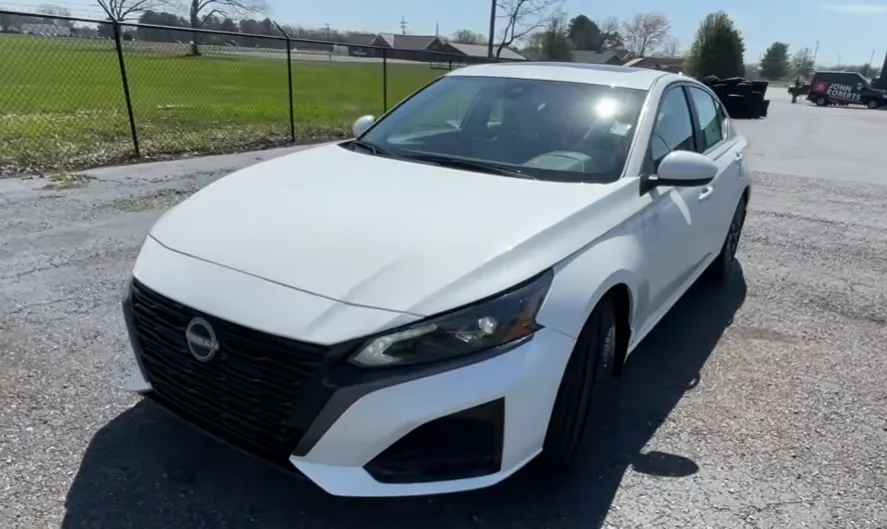
The 2026 Nissan Altima is expected to be the final model year before Nissan discontinues it. Per CarsDirect’s reporting from February 2026. Nissan already cut the S and SL trims, leaving just two models. The lineup is trimmed to its bones.
So the first question isn’t whether the Altima is good. It’s whether any of this matters to you as a buyer.
Turns out, for certain kinds of buyers, it doesn’t matter at all. For others, it changes everything. Here’s how to figure out which one you are.
Who Should Ignore the Discontinuation Entirely
If you’re leasing the Altima for 36 to 39 months, you hand the keys back before any discontinuation affects you. The car is the dealer’s problem at the end of the term, not yours.
Nissan is offering $279 per month with $3,049 at signing on the SV FWD right now. Per current lease data. That is a genuinely low payment for a midsize sedan with all-wheel-drive available, a full suite of standard safety tech, and enough features to feel modern in daily use.
For a leaser who drives under 10,000 miles a year and wants a comfortable sedan without a big monthly payment, the Altima SV lease is one of the best dollar-per-month deals in the segment right now.
Walk in. Sign. Drive. Hand it back in three years. Never think about resale value once.

Who the Discontinuation Actually Hurts
Buyers planning to own it long term. Ten years. 150,000 miles. The full ownership stretch.
When a model gets discontinued, parts availability eventually becomes a real question. Not immediately. Not for years. But eventually. The dealer network thins. The independent shops that specialize in it shrink. Resale becomes harder because there are no new versions to remind buyers the model exists.
If you buy a 2026 Altima planning to drive it to 200,000 miles, you’re buying the last version of a nameplate that’s being retired. That’s a legitimate concern.
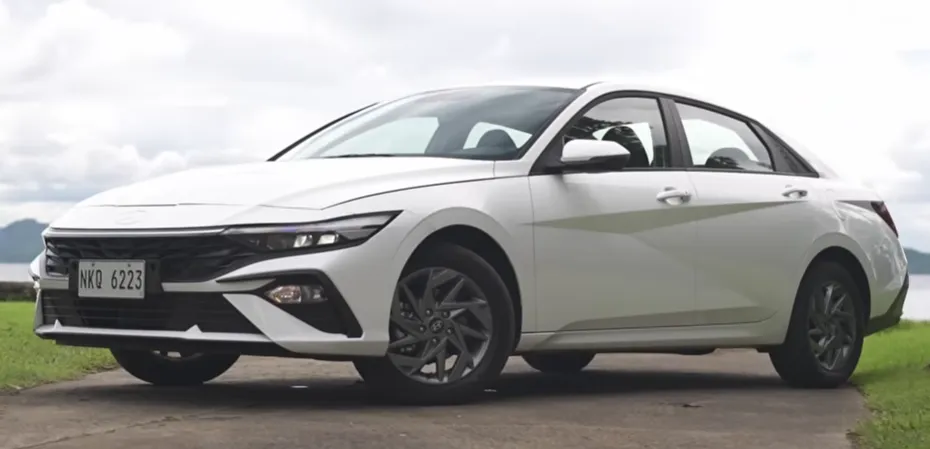
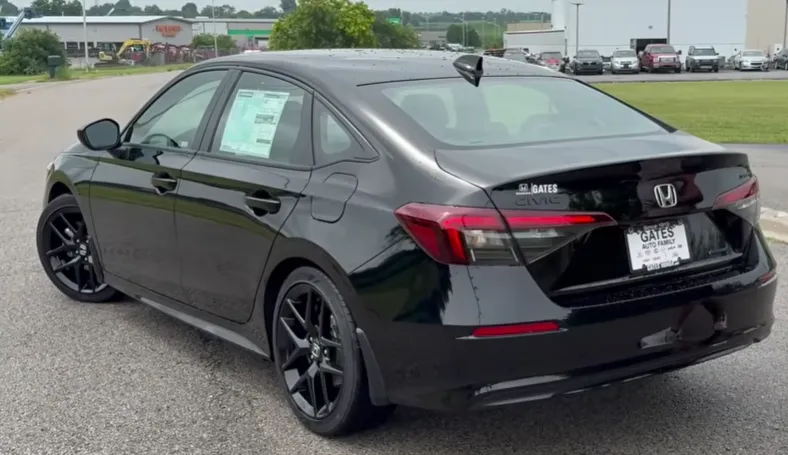
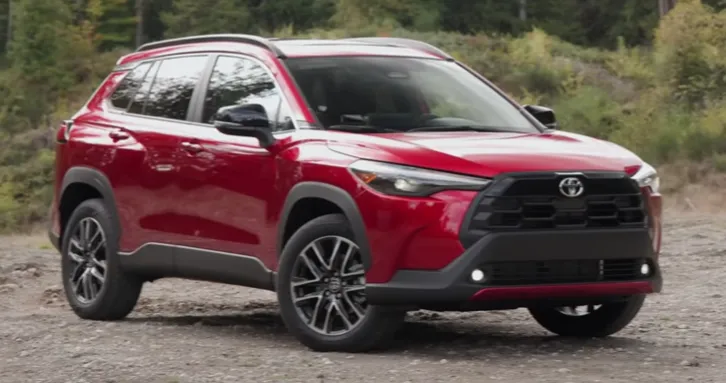
For those buyers, the Toyota Camry and Honda Accord are the honest answers. Both are staying in production. Both have strong long-term parts and service ecosystems. Both will be easier to sell in 2032 than a discontinued Altima.
What the Altima Actually Is in 2026
A carryover model with modest updates and higher prices.
No new engine. No new interior. No significant technology changes. The S and SL trims are gone. What’s left is the SV and SR with a couple of special edition packages layered on top.
The engine is a 2.5-liter four-cylinder. 188 horsepower. 180 pound-feet of torque.
CVT transmission. Wired Apple CarPlay on the base SV, wireless available on the SV Premium Package and SR. Per Nissan’s feature breakdown.
Fuel economy on the front-wheel-drive version: 26 city, 36 highway, 30 combined. Per EPA estimates. Those highway numbers are genuinely competitive for a non-hybrid midsize sedan.
AWD costs $1,500 extra on any trim. And that’s the feature that’s kept the Altima relevant longer than it probably should have been.
Because almost nothing else in the midsize sedan class offers all-wheel drive at this price.
The Camry doesn’t offer AWD at all in the United States. The Accord doesn’t offer AWD. The Mazda6 is gone. The Altima is one of very few midsize sedans that lets you get proper AWD grip for under $31,000 before fees.
In a snowy climate, that’s the entire argument for buying this car.
What Three Weeks Felt Like
No day-by-day breakdown this time.
The Altima just isn’t that kind of vehicle. Nothing dramatic happened. Nothing surprised me in either direction. It did exactly what it promised and nothing more.
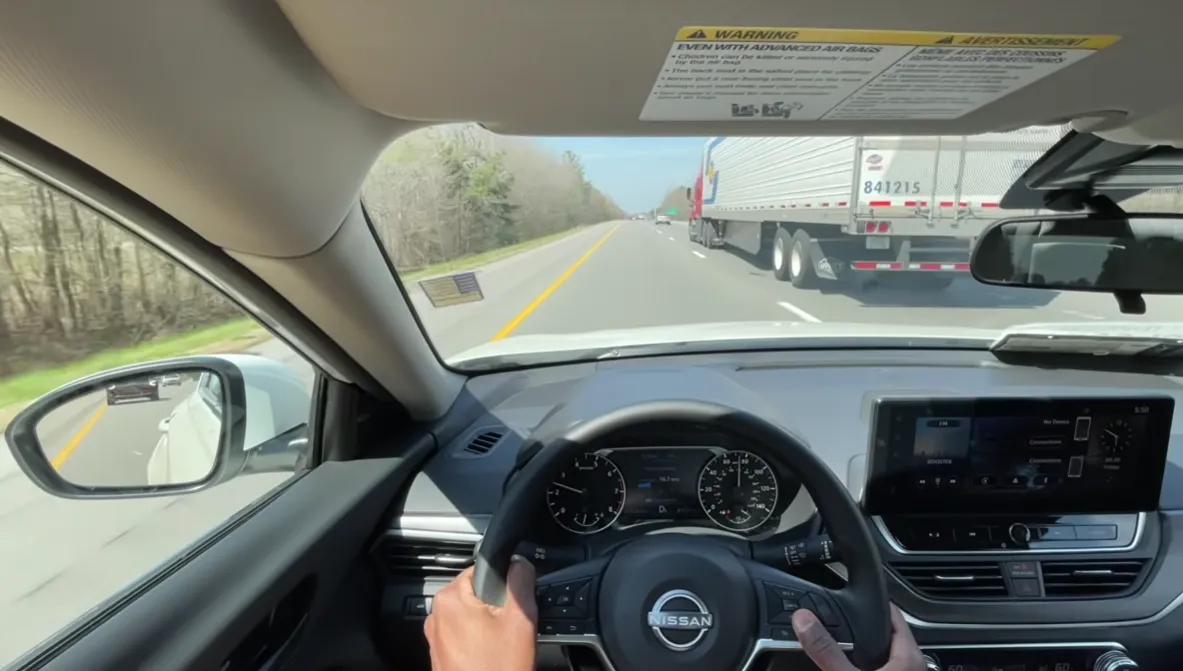
The CVT transmission deserves a mention because CVTs divide people. In the Altima it’s smooth. Noticeably smooth. Cruising at highway speeds the engine sits at a low steady rev and the car just glides. No hunting. No drama. The kind of transmission behavior that makes a 90-minute highway drive feel shorter than it is.
The ride quality on the SV is more comfortable than the SR. Edmunds flagged this and it’s accurate. The SR’s sport-tuned suspension firms things up in a way that doesn’t really deliver more driving feel. Just more awareness of bad pavement. If you’re in a pothole-heavy city, the SV is the right call.
The front seats have eight-way power adjustment on the driver’s side. Found my position in about 30 seconds and didn’t touch it again. On a two-hour trip during the second week the seat stayed comfortable end to end. No lower back conversation at all.
The rear seat is where the Altima quietly makes a real argument.
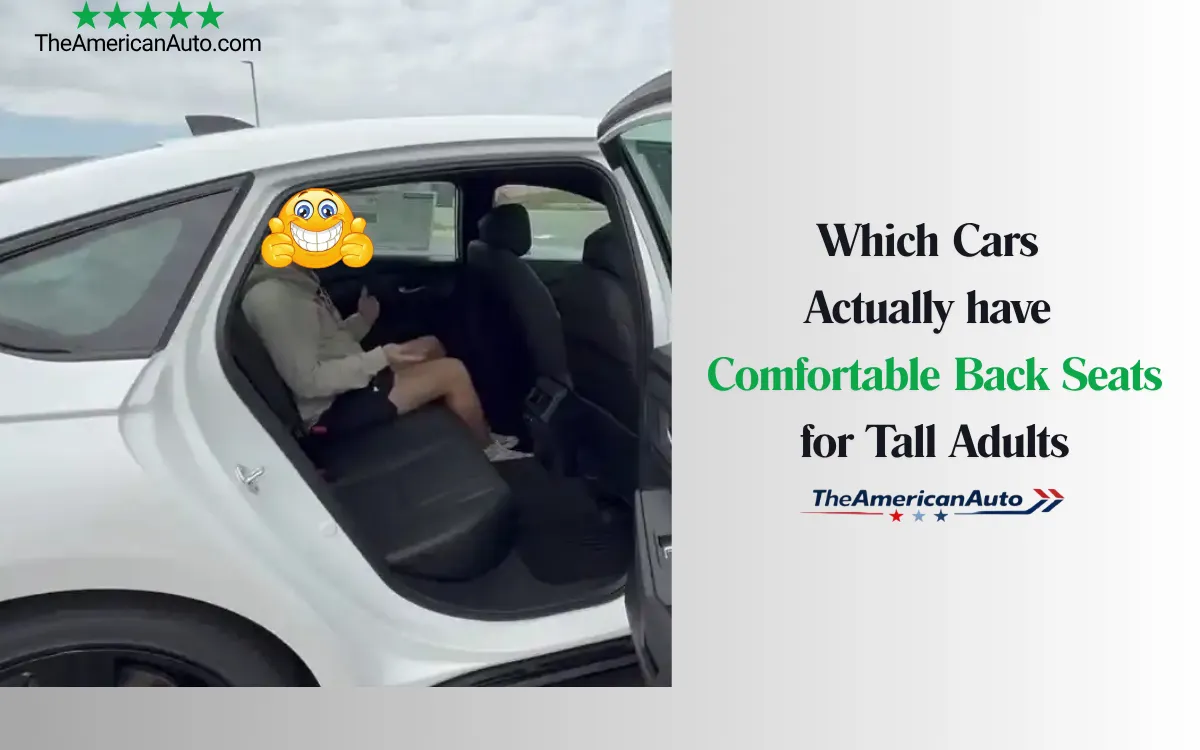
Rear legroom measures 35.2 inches. That’s more than the Honda Civic. Competitive with the Accord. Adults back there on longer drives had room to sit normally rather than wedge themselves in. On a 45-minute drive with two adults in the back, nobody shifted around or complained. That’s a passing grade in any seat review.
The interior materials are where the Altima’s budget reality shows. The door panels have areas that tap hollow. The plastics around the center console look fine but feel a step below the Accord and Camry at similar prices. Not terrible. Just honest about what $28,000 buys you.
The ProPILOT Assist available on the SV Premium Package is worth mentioning. Lane centering plus adaptive cruise control combined. On a highway stretch during the second week I engaged it for about 40 minutes. The car held its lane, maintained distance from traffic ahead, and never did anything that made me want to override it. Well-calibrated. Better than expected for an Altima optional package.
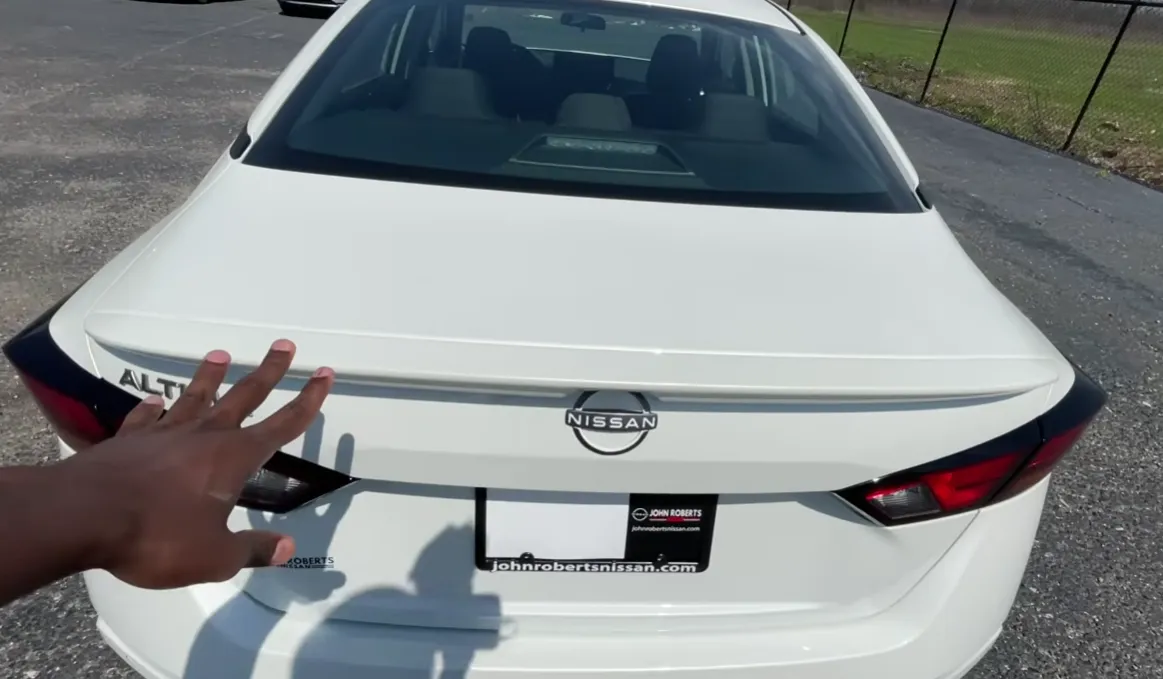
The Decision Tree
Are you leasing?
Yes. Consider it seriously. The monthly payment is among the lowest in the segment. Good fuel economy. AWD available. Three-year lease puts you back in the market before discontinuation matters.
Do you live somewhere with real winters and need AWD in a sedan under $31,000?
The Altima is one of your only options. Almost nothing else delivers AWD in a midsize sedan at this price right now. If you need it, this is a legitimate buy.
Do you plan to own this car for 7 or more years?
Be careful. Long-term ownership of a discontinued model carries real unknowns around parts and resale. A 2026 Camry or Accord is the safer long-term bet.
Do you care about technology being current?
The base SV has wired CarPlay only. Wireless requires the SV Premium Package or SR trim. The 8-inch screen on the base feels dated next to the Civic and Camry. Step up to the SV Special Edition or SV Premium to get the 12.3-inch screen, which changes the interior feel completely.
Do you want the best driving experience in this class?
Walk past the Altima. The Honda Accord has more engaging steering and a better interior. The Toyota Camry has stronger reliability history. The Mazda3 drives better. The Altima is not the most rewarding sedan to drive. It’s the most practical one at its specific price with AWD available.
The Honest Issues
Wired CarPlay on the base trim in 2026 is simply behind. Every major competitor offers wireless at comparable prices. Nissan put wireless behind a package upgrade on a car they’re discontinuing. That tells you something about how much development money went into the 2026 Altima.
The 188 horsepower moves the car fine. It doesn’t move it quickly. Merging onto interstates with a full passenger load requires planning ahead. Not dangerous. Not underpowered. Just not effortless the way a Camry Hybrid or an Accord with the turbo feels when you need to accelerate quickly.
And resale. Already covered above but it bears repeating plainly. If you buy a 2026 Altima and try to sell it in 2028 or 2030, you’re selling the final version of a discontinued model. Depreciation on discontinued cars is historically steeper than on continuing models. Budget for that.
Reliability
The current Altima generation has a stable if unspectacular reliability record. Consumer Reports rates it average for the class. The 2.5-liter engine and CVT combination are well-proven across multiple Nissan models and high-mileage examples generally run without major mechanical issues.
Nissan Safety Shield 360 comes standard on every 2026 Altima. Automatic emergency braking, blind spot warning, rear cross-traffic alert, lane departure warning. Per Nissan’s standard feature list. The full safety suite on every trim is a real point in its favor, especially at this price.
No significant active recalls on 2026 models at time of writing. Verify your specific VIN through the NHTSA database before taking delivery.
Routine maintenance runs around $350 to $500 per year. The CVT uses Nissan’s specific fluid and should be changed on schedule to avoid long-term issues. This is the one maintenance item Altima owners sometimes skip and shouldn’t.
My Take
The Altima has spent its whole life being overlooked.
Never as reliable as the Camry. Never as engaging as the Accord. Never as stylish as the Mazda6. Just a competent, affordable midsize sedan that kept finding buyers anyway because it offered AWD when nobody else did and priced itself sensibly.
The 2026 version is more of the same. And if its last model year goes out this quietly, that’s kind of fitting.
Here’s the honest summary. The SV with the SV Special Edition package is the trim to get. Upgrades to the 12.3-inch screen and a moonroof for a reasonable add-on price, keeps you off the firmer SR suspension, and leaves money for other things.
Add AWD if you’re in a winter climate. Skip it if you’re not.
Lease it if you can. Buy it only if the AWD at this price is specifically what you need and you’re comfortable with the discontinuation uncertainty.
The Altima was never the answer for everyone. In its final year, that hasn’t changed.
Frequently Asked Questions
Is the 2026 Nissan Altima really being discontinued? That’s the strong expectation based on industry reporting as of early 2026. Nissan has already cut the S and SL trims for 2026, leaving just two grades. No 2027 Altima has been announced. Per CarsDirect’s February 2026 analysis. Always confirm with your dealer before purchasing.
Does the 2026 Nissan Altima have all-wheel drive? Yes. AWD is available on both the SV and SR trims for an additional $1,500. It’s one of the only midsize sedans offering AWD at this price in 2026, which is the car’s most compelling differentiator.
What is the fuel economy of the 2026 Altima? 26 city and 36 highway on the front-wheel-drive version. Around 24 city and 32 highway on the AWD version. Per EPA estimates. Competitive for a non-hybrid midsize sedan.
Should I lease or buy the 2026 Altima? For most buyers, leasing makes more sense. The $279 per month lease payment is among the lowest in the class. You avoid long-term exposure to discontinued model depreciation and parts concerns. If you need AWD in a sedan at this price and plan to own it outright, buying still works but go in with open eyes on resale.
How does the 2026 Altima compare to the Toyota Camry? The Camry is more reliable over the long term, has better resale value, and offers a hybrid version the Altima doesn’t. The Altima offers AWD which the Camry doesn’t sell in the US. At similar prices the Camry is the safer long-term purchase. The Altima is the better choice for buyers who specifically need AWD in a sedan.
Which 2026 Altima trim is the best value? The SV with the Special Edition package. You get the 12.3-inch touchscreen, a moonroof, and dual-zone climate control without jumping to SR pricing. Edmunds and most independent reviewers agree the SV is a smoother, more comfortable choice than the SR’s firmer suspension setup.
Is the 2026 Nissan Altima good for families? Decent. Rear legroom at 35.2 inches is above average for the class. Car seat installation is standard and accessible. The trunk is adequate for family use. The AWD option adds meaningful winter-weather confidence. Not a family-first choice but workable for a small family who wants a sedan.