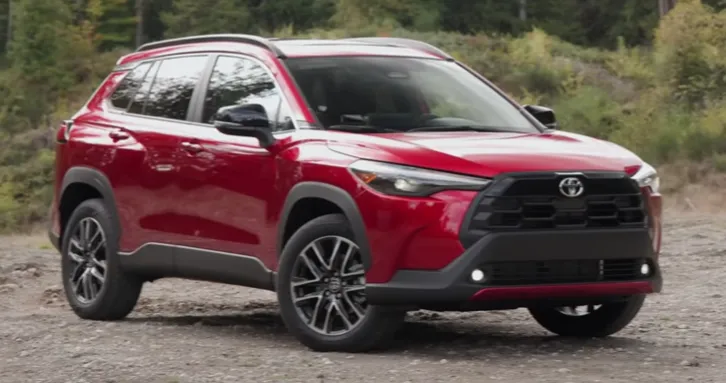
Most people think they already know the Corolla. It’s boring. It’s basic. It’s what you buy when you stop caring about cars. That’s what they say. But after leasing one for three weeks and driving it through everything real family life throws at a car, I found out that most of what people think about the Corolla is either wrong or way too simple.
Here are the five things buyers get wrong most often. And what the truth actually looks like.
Key Takeaways
- The Corolla Hybrid is one of the best value cars on sale right now and most buyers don’t even ask about it at the dealership.
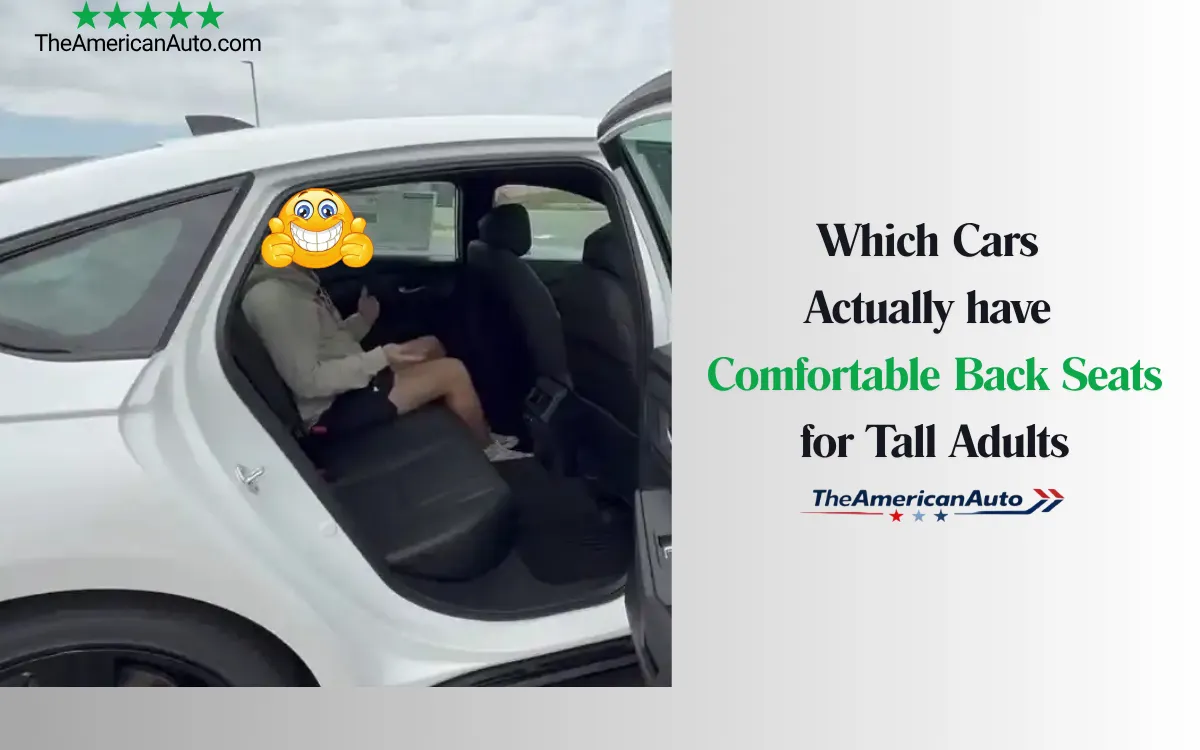
- The back seat is tighter than people expect, and adults over 5’10” will feel it on longer drives.
- The base gas engine is quieter and smoother than its numbers suggest but runs out of energy on fast highway merges.
- Toyota’s reliability record on the Corolla is not marketing. It’s real and it shows up in the ownership cost over time.
- The infotainment on lower trims feels old but Apple CarPlay and Android Auto save it completely.
- At just over $22,000 to start, nothing in this class comes close on long term ownership cost.
- This is not the right car if you need rear seat space or want driving to feel like something special.
Myth 1: The Corolla Is Boring So It’s Not Worth Thinking About
People say this and then they look at what they spent on their last car and what it cost them to fix it, and they stop saying it pretty quickly.
The Corolla is not exciting. That part is true. But boring and bad are not the same thing. I leased one for three full weeks. School runs every morning. A long weekend drive with the whole family. City parking. A grocery run where I somehow ended up with six bags and a flat of water. The Corolla handled every single one without complaining once.
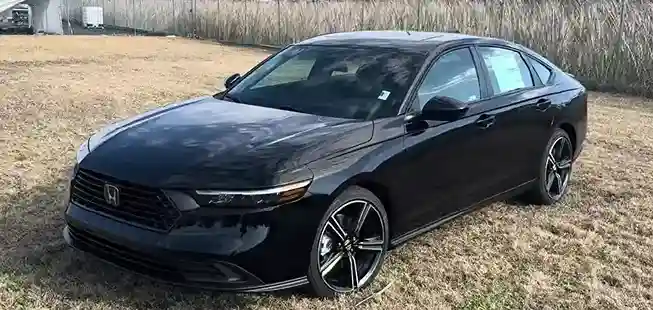

The first morning I got in, I noticed the seat adjusted fast and easy. Everything was right where I expected it. No hunting around for buttons. No weird menu buried three taps deep just to turn on the heat. My 6-year-old got in the back and immediately said it smelled clean. That’s not a small thing. Kids notice everything.
It’s not exciting. But it works every day without drama and that ends up mattering more than people want to admit.
Myth 2: The Hybrid Version Is Not Worth the Extra Money
This is the one that costs people the most money in the long run.
The Corolla Hybrid starts around $24,500. That’s about $2,500 more than the base gas LE. Most buyers look at that number and skip it. They shouldn’t.
Here’s the real math. In three weeks of mixed driving, school runs, highway stretches, city traffic, I averaged just over 49 miles per gallon in the hybrid. The gas version averaged around 32 in the same conditions. At 15,000 miles a year and current gas prices, that difference saves roughly $600 to $700 per year. You make back the $2,500 price gap in about three and a half years. After that you’re just keeping money in your pocket.
The hybrid also feels better to drive in stop and go traffic. The electric motor fills in exactly where the gas engine feels lazy, mostly from a full stop and in slow crawling traffic. My wife drove it one afternoon and said it felt smoother than she expected. She didn’t know it was a hybrid until I told her.
| Version | Starting Price | Real MPG | Annual Fuel Cost (15k miles) |
|---|---|---|---|
| Gas LE | ~$22,000 | ~32 mpg | ~$1,550 |
| Hybrid LE | ~$24,500 | ~49 mpg | ~$1,010 |
| Hybrid XSE | ~$32,000 | ~46 mpg | ~$1,070 |
Source: EPA FuelEconomy.gov, 2025.
Get the hybrid. It’s not even a close call once you run the numbers.
Myth 3: All Trim Levels Are Pretty Much the Same
They’re not. The gap between the base LE and the mid-range XLE is bigger than the price difference makes it look.
| Trim | Price | What You Actually Get |
|---|---|---|
| LE | ~$22,000 | Basic screen, fabric seats, gets the job done |
| SE | ~$24,500 | Sportier look, same engine, not much else |
| XLE | ~$26,500 | Better seat shape, bigger screen, more comfort |
| XSE | ~$28,000 | Sport body kit, same performance as SE |
| Hybrid LE | ~$24,500 | Best value in the whole lineup |
| Hybrid XSE | ~$32,000 | Top of range, all the features |
The SE and XSE look sportier but drive exactly the same as the base car. You’re paying for looks. If looks matter to you, fine. But don’t expect the drive to feel different because it won’t.
The XLE is where the seat shape gets noticeably better. I drove the LE for two weeks and the XLE for one week. After a two hour drive in the LE my lower back was asking questions. The XLE seat held me better with more shape around the lower back. Not a huge difference. But on longer drives it showed up.
Myth 4: The Back Seat Is Fine for the Whole Family
It’s fine for your kids. It’s not fine for adults on a long trip.
Rear legroom in the Corolla measures 34 inches. That sounds okay until you’re a real person sitting behind a real driver set up for someone my height. I had my brother in law ride back there for an hour and a half. He’s 5’11”. By the end he was shifting around every fifteen minutes.
My kids? No complaints. My 4-year-old had more room than she needed. My 6-year-old was happy with his window and his cup holder. For a family with young kids the back seat works well. For a family where adults ride back there regularly it gets uncomfortable on anything over an hour.
The step height getting in is low. My 4-year-old climbed in on her own without asking for help. That’s actually rare at this price. Most cars at $22,000 make little kids work for it. The Corolla doesn’t. Small win. Real win.
The rear USB ports are behind the center console in a spot that makes kids lean forward and feel around to find them. My son spent about forty five seconds trying to find his port on the first trip. Not a big deal. Just not as clean as it could be.
Installing a car seat in the second row was easy. The LATCH anchors were easy to find and easy to click in. Rear facing infant seat fit fine behind my driving position. Forward facing worked just as well.
Myth 5: Toyota Reliability Is Just Marketing
It’s not. And after three weeks with the Corolla, I understand why people keep buying them.
Nothing went wrong. Nothing even felt like it was going to go wrong. The car started every morning without drama. The infotainment never froze. The brakes felt the same on day twenty one as they did on day one. Owner forums for the Corolla are almost quiet compared to most cars at this price, which tells you something real about how these cars hold up. Source: Consumer Reports reliability data, 2025.
Common small complaints from real owners include road noise on rough surfaces being louder than expected, the CVT transmission feeling a bit jerky in very slow parking lot moves, and the backup camera taking an extra second to show up in cold mornings. I noticed all three during my lease. None of them were bad enough to change my opinion of the car.
Most Corollas with normal care go well past 250,000 miles. That changes the real cost per mile compared to cars that need big repairs at 100,000. Source: iSeeCars longevity study, 2024.
The hybrid battery is covered for 10 years or 150,000 miles in most states. Source: Toyota, 2025. That takes most of the worry out of going hybrid.
What the 2026 Corolla Costs to Actually Own
The sticker price is just the start. Here’s what real ownership looks like year to year.
Insurance runs around $1,100 to $1,400 per year for most drivers. That’s one of the lowest in this class. Routine service, oil changes, tire rotations, filters, runs around $300 to $450 per year. Tires last around 50,000 miles and cost $600 to $900 for a full set. Source: RepairPal, 2025.
Resale is solid. Expect around 55 to 60 percent of what you paid after three years. Source: Kelley Blue Book, 2025. That’s better than most cars in this price range and it matters if you plan to sell or trade in later.
No major recalls are active on 2026 models as of this writing. Source: NHTSA recall database, 2025.
How It Feels to Drive Every Day
Quiet. Smooth. Completely without drama. That’s the daily Corolla experience.
The 2.0 liter engine makes 169 horsepower. Zero to 60 takes around 8.1 seconds. Source: Car and Driver, 2025. Around town that’s more than enough. On the highway it cruises easily at 75 without feeling like it’s working hard. Where it gets a bit weak is fast merges onto busy interstates. If you need a burst of speed to get into a gap, the gas engine makes you think about it for a second. The hybrid fixes this with the electric motor stepping in instantly.
Wind noise at 70 mph is well controlled. I noticed almost nothing near the windows or mirrors even at higher speeds. The door closes with a soft, light sound. Not the solid expensive thunk of something premium. Just quiet and clean. Honest.
The infotainment took about 9 seconds to fully load from a cold start. The screen itself is clear and easy to read in sunlight. Apple CarPlay connected wirelessly in about 10 seconds every morning. The native Toyota system underneath CarPlay is slower and older feeling but most people won’t spend much time in it once CarPlay is connected.
The sun visor at my height covered what I needed on afternoon drives. My wife at 5’4″ had no issues at all. The cup holders fit my 30 oz bottle easily with room to spare.
Is the 2026 Corolla Right for You?
Here’s the simple version.
Buy it if you want a car that starts every day, costs very little to run, holds its value, and never gives you a reason to think about it. Buy the hybrid. Skip the SE and XSE sport trims unless you really care about how it looks. Consider the XLE if you drive more than an hour at a stretch regularly.
Don’t buy it if you need adults to sit comfortably in the back seat on long trips. Don’t buy it if you want driving to feel like something. Don’t buy it if cargo space matters because the trunk at 13.1 cubic feet disappears fast with a full family load.
The Corolla knows exactly what it is. Buyers who know what they need and match those two things up are almost always happy with it.
My Personal Opinion
Okay here’s the real talk.
I went into this lease thinking I already knew what the Corolla was. Sensible. Safe. Forgettable. And yes, all of that is true. But after three weeks I found myself not thinking about the car at all while driving it, and I mean that as a compliment. It just worked. Every morning. Every trip. Every school run. No issues, no surprises, no moments where I wished I was in something else for practical reasons.
The hybrid version changed how I think about this car. That fuel economy is real. The money saved is real. For someone driving 15,000 miles a year the hybrid pays for itself and then keeps going. If I were buying a car purely on logic and long term cost, the Corolla Hybrid would be very hard to argue against.
Would I personally buy one? Probably not because I like how cars feel and the Corolla doesn’t give me much there. But if someone in my family needed a car that would run forever and cost almost nothing to keep going, this is what I’d tell them to get. No hesitation.
Frequently Asked Questions
Is the 2026 Toyota Corolla Hybrid worth the extra cost? Yes. The fuel savings pay back the price gap in about three and a half years. After that you’re saving money every month. It also drives smoother in city traffic because of the electric motor assist.
How reliable is the 2026 Toyota Corolla? Very. Consumer Reports gives it top marks for reliability and real owner data backs that up. Most Corollas with normal care go well past 200,000 miles without big repair bills.
Is the back seat comfortable for adults? For short trips yes. For trips over an hour, adults over 5’10” will start to feel the space. It’s better for kids than for adult passengers on long drives.
What trim should I buy? The Hybrid LE is the best value in the whole lineup. If you want the gas version, the XLE is worth the step up from the base LE for the better seat shape and bigger screen.
How does the 2026 Corolla compare to the Honda Civic? The Civic gives you more rear legroom and a better base infotainment screen. The Corolla wins on reliability history and long term ownership cost. Both are good. The Corolla is the safer long term bet.
Does the Corolla have good safety ratings? Yes. The 2026 Corolla earned a 5-star overall NHTSA safety rating and a Top Safety Pick from IIHS. Source: NHTSA and IIHS, 2025.
What is the real fuel economy of the 2026 Corolla Hybrid? In three weeks of real mixed driving I averaged just over 49 miles per gallon. The EPA combined rating is 52 mpg. Real world will land somewhere between 46 and 52 depending on how much city driving you do. Source: EPA FuelEconomy.gov, 2025.