My brother Ray runs a landscaping crew in Las Vegas.
Three guys, two trucks, steady work across the valley. He’s been doing it for six years and his schedule runs tight especially on weekends when residential clients want work done without taking time off.
So when his main hauler threw a coolant leak at 7am on a Saturday in late April, he called me.
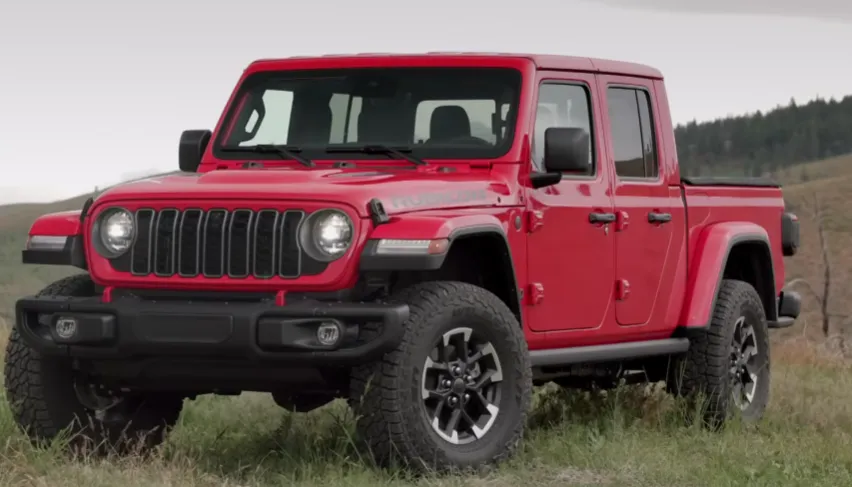
I had the Jeep Gladiator sitting in the driveway on a two-week lease. I’d driven it maybe 200 miles at that point. Mostly highway. Nothing that told me much about what the truck actually was.
“Just a few loads,” Ray said. “Four hours tops.”
It was not four hours.
What the Job Actually Was
Ray had a backyard renovation job in Henderson. About 20 minutes from my place in Las Vegas. The client wanted flagstone laid around a pool, new mulch beds along the back fence, and a rock border along the side yard.
That means:
- 1,400 pounds of flagstone in irregular flat pieces
- Eight 2-cubic-foot bags of mulch
- Landscaping fabric, edging, stakes, a plate compactor, two wheelbarrows
- Three guys plus Danny who was not supposed to be a crew member but ended up moving rocks anyway
The Gladiator Rubric I had lists a maximum payload of 1,200 pounds. That number matters. We loaded the first run to just under it. Ray eyeballed it the way someone does when they’ve loaded trucks their whole life. Flagstone went in first, flat and tight. Mulch bags stacked on top. Tools and fabric in the cab back seat.
The truck sat lower than I expected. Not dramatically. But you notice it when you walk around to the driver side and the rear wheel wells have less gap than they did empty.
I want to be honest about that number. 1,200 pounds feels like a lot until you’re looking at a pile of stone and realizing you’re making two trips anyway.
The Drive to Henderson in 97 Degree Heat
Las Vegas in late April is already hot. Not summer hot. But 97 degrees by 10am is not a comfortable situation when you’re loading and unloading heavy material.
The Gladiator’s cab cooled down fast. The 3.6-liter V6 making 285 horsepower didn’t feel strained pulling out of Ray’s yard onto the surface streets. Through residential Henderson the truck is long. 218 inches long. You feel that on tight turns into cul-de-sacs and narrow side streets where most of the residential landscaping work actually happens.
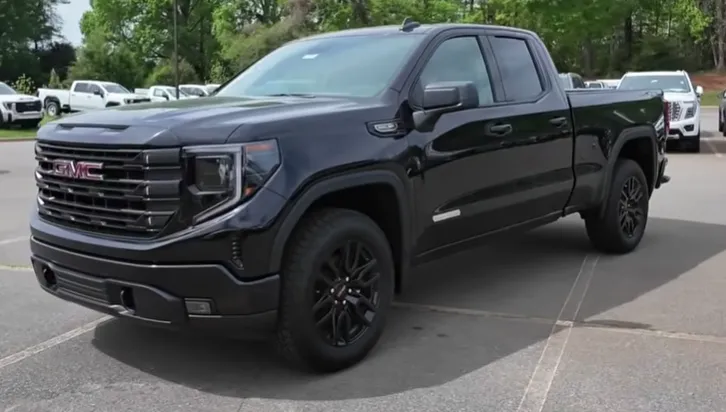
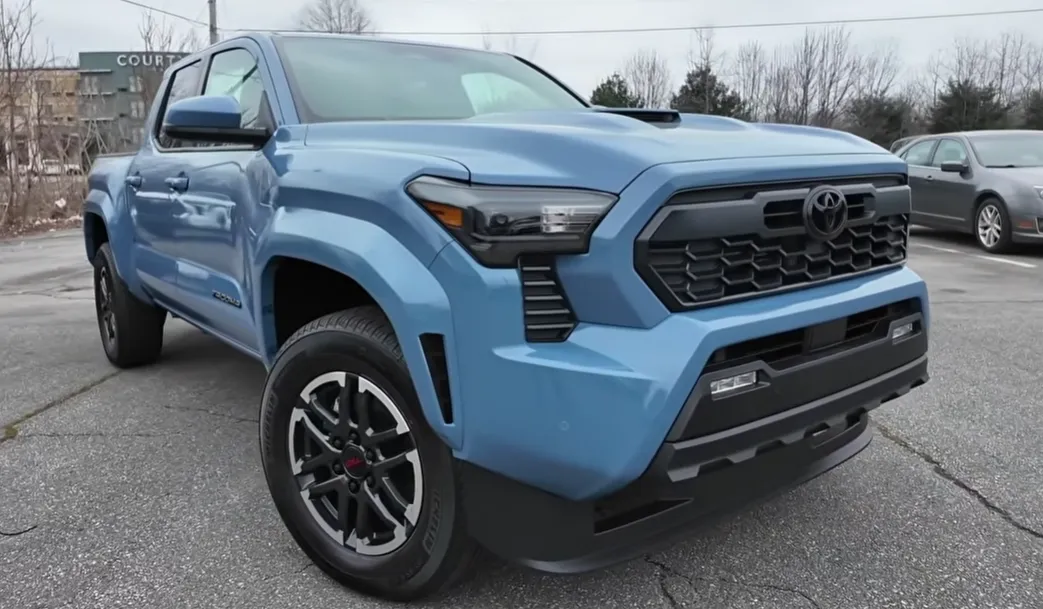
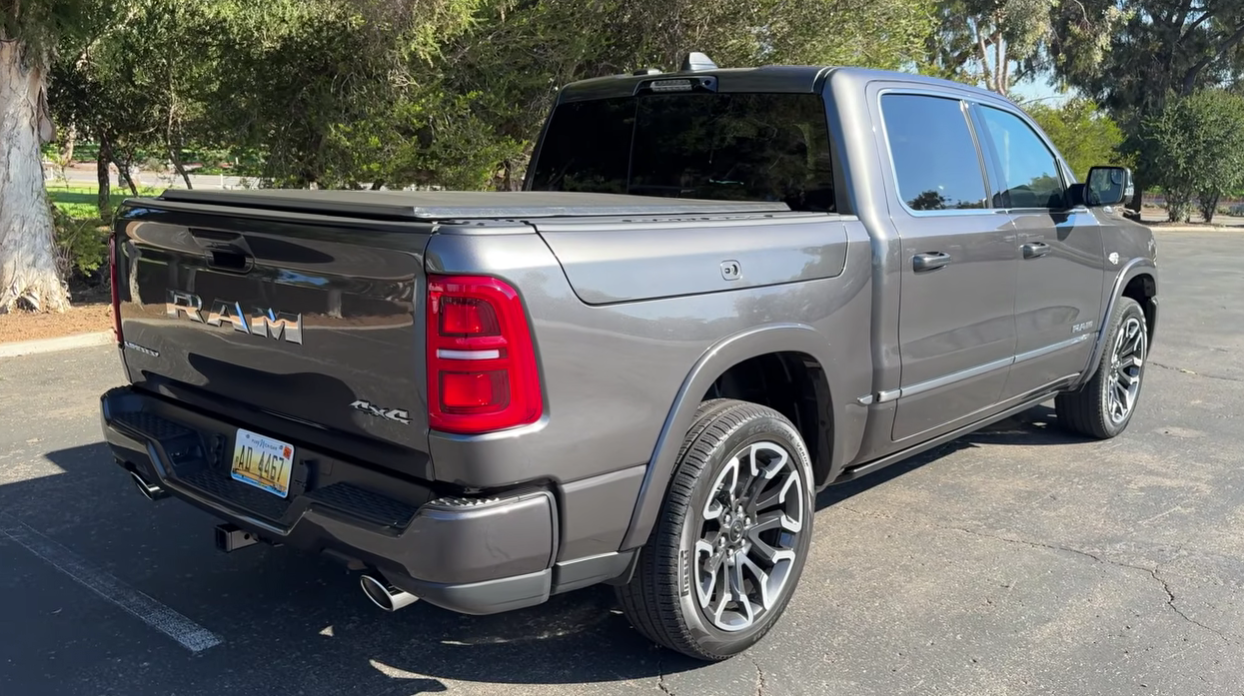
Not undriveable. Just something you adapt to quickly. The turning radius requires planning. Ray’s regular work truck is a Ram 1500 crew cab and he said afterward the Gladiator felt wider even though it’s technically shorter. Something about the boxy Jeep shape makes it read bigger than it is in tight spaces.
The client’s driveway was the first real test.
Steep. Maybe a 15 to 18 percent grade. Unpaved. Loose gravel that had been packed down but not hardened. With 1,200 pounds in the bed.
I stopped at the bottom and looked at it.
Ray said “just go, it’s fine.”
Selec-Trac 4WD engaged. Switched to 4H. The Gladiator climbed it without wheel spin, without drama, without the rear end stepping out. Parked at the top next to the gate. Unloaded from there.
Coming back down empty was more nerve-wracking than going up loaded. Loose gravel on a steep grade going backward is where most trucks get uncomfortable. The Gladiator held its line.
Ray nodded. He’s not a man who compliments equipment easily.
The Bed. What It’s Actually Like for Work.
The Gladiator has a 5-foot bed. That’s shorter than most people expect for a truck this long.
For landscaping work, 5 feet is workable but not generous. The flagstone pieces that were longer than 4 feet had to be angled slightly. Nothing fell. Nothing shifted badly. But the tailgate-down length matters when you’re loading irregular heavy material and Ray kept muttering about it.
What the bed does well: the steel floor is flat, the tie-down cleats are in useful positions, and the sides are high enough that bags of mulch didn’t shift during the drive.
What it doesn’t do well: a 5-foot bed on an 218-inch truck means you gave up a lot of overall length for not that much usable cargo space. Ray’s Ram 1500 has a 6’4″ bed and he uses every inch of it.
The fold-flat windshield is a Gladiator party trick that has nothing to do with work. I didn’t fold it. It was 97 degrees.
What the Day Revealed That a Test Drive Never Would
Three loads total. Two full runs to the job site, one partial with the compactor and remaining tools.
By the second run I had stopped thinking of the Gladiator as a test vehicle and started thinking about whether it would actually work as a regular tool for someone in Ray’s position.
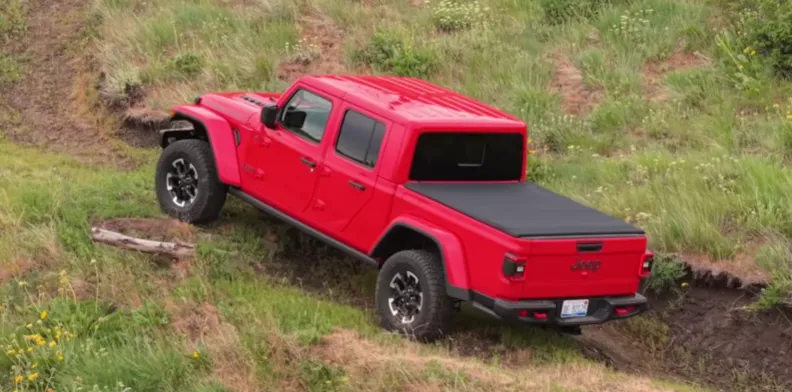
The honest answer is: partially.
The 4WD system is real. The ground clearance is real. The Gladiator handled the unpaved driveway better than Ray’s Ram would have because the Ram sits lower and the driveway would have scraped it on the approach. That’s a genuine advantage.
The payload rating is limiting for serious landscaping or construction work. 1,200 pounds goes fast when you’re moving stone. Ray’s Ram does 2,280 pounds. The F-150 goes higher. If you’re buying a truck for actual heavy hauling as a business tool, the Gladiator’s payload is the number that will frustrate you regularly.
The bed length is the other daily frustration for work use. Not a dealbreaker for weekend warriors. A real friction point for someone loading it professionally five days a week.
By 3pm we were done. I had moved more flagstone than I’d planned and my back had opinions about it. Ray bought me lunch. We sat in the Gladiator with the AC running because neither of us wanted to move.
The seats are comfortable. I’ll give it that.
The Myth This Day Killed
The popular opinion on the Gladiator is that it’s a lifestyle truck. People who want the Jeep image without actually doing anything serious with it. The truck for someone whose most demanding off-road experience is a parking lot speed bump.
That’s not what I drove.
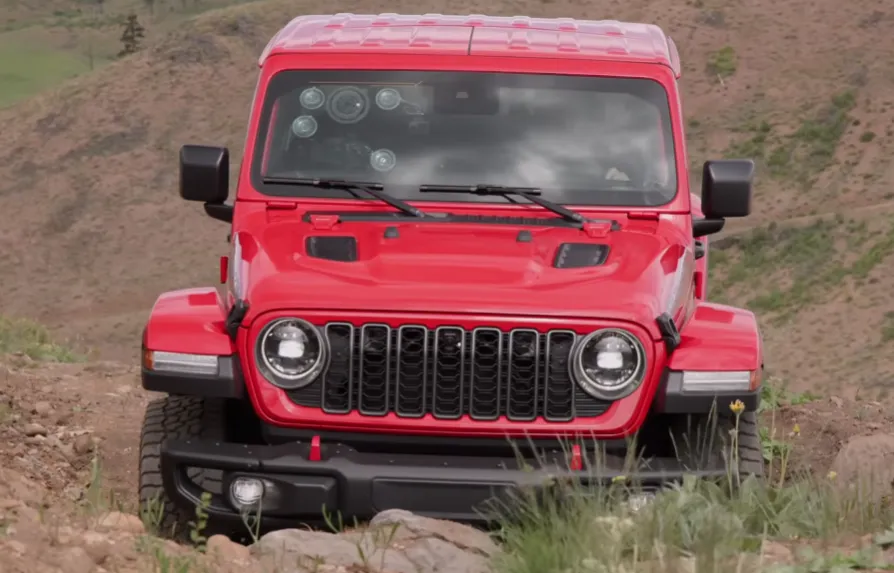
The 4WD system with the Rubicon’s front and rear locking differentials is not decoration. The 11.1 inches of ground clearance is not a marketing number. The approach angle and departure angle on the Rubicon trim exist because Jeep built this truck to go places that will genuinely challenge it.
96% of the people who buy a Gladiator will never use those capabilities. That’s probably true. It’s also true of most Tacoma TRDs and most F-150 Raptors.
What I learned Saturday is that the Gladiator can do real work. It just has specific limits that you need to know before you commit to it as your only truck.
If you’re buying it as a weekend adventure vehicle that occasionally hauls things, it’s more capable than its reputation suggests.
If you’re buying it to replace a full-size work truck, the payload and bed length will get in your way faster than you expect.
The Numbers You Need
The 2025 Gladiator comes in Sport, Sport S, Willys, Overland, Mojave, and Rubicon trims.
- Sport starts around $40,990
- Rubicon I tested sits around $59,000 depending on options
- The 3.6L V6 is standard across most trims, making 285 horsepower and 260 pound-feet of torque
- A 3.0L EcoDisel V6 is available, making 260 horsepower but 442 pound-feet of torque
That diesel torque number matters for towing and payload feel. Ray looked at it and said he wished I had the diesel that day. He’s not wrong. 442 pound-feet of torque moving flagstone up a steep grade would have felt more relaxed than the gas V6 did.
Towing tops out at 7,650 pounds with the gas engine. The diesel does 7,700. Per Jeep’s specs.
Fuel economy on the V6 in real mixed driving with a loaded bed ran about 15 to 16 mpg across the day. Highway empty is better. Work days are not highway empty.
Two Things That Genuinely Annoyed Me
The on-road ride is stiff. Not uncomfortable stiff. But the Rubicon’s suspension is tuned for off-road performance and on smooth Las Vegas surface streets loaded with stone, you feel every tar strip and expansion joint. Ray noticed from the passenger seat without me saying anything first.
The cab space in the back seat is tighter than it looks. Three crew members riding to the job site with equipment bags at their feet was close quarters. The Gladiator’s cab is not as generous rear-seat wise as a full-crew pickup because the body structure around the removable doors and top eats into interior space.
Reliability
The Gladiator shares its platform and most mechanicals with the Wrangler. That’s either reassuring or concerning depending on your perspective.
Reassuring because the Wrangler has been proven in genuinely harsh conditions for decades. The drivetrain is tough.
Concerning because the Wrangler has a mixed reliability record on non-drivetrain components. Electrical gremlins, infotainment issues, and soft-top seal problems are recurring owner complaints across Gladiator forums.
Consumer Reports rates the Gladiator below average for predicted reliability. That’s worth knowing before you commit. RepairPal puts annual maintenance costs around $694 on average, higher than most midsize truck competitors.
Check your specific VIN for open recalls before taking delivery. The NHTSA database is the right place to look.
Who Should Actually Buy This
People who want a capable off-road truck that doubles as a useful weekend hauler and don’t need maximum payload or bed length for daily work. The Gladiator does that combination better than any other truck on sale.
People running a business that needs to move heavy material regularly. Look at the Ram 1500, F-150, or Silverado 1500 instead. The payload and bed length will serve you better.
People who want the Jeep 4×4 DNA in a truck body with a removable top and doors. Nobody else sells this. The Gladiator is the only answer.
Ray put it better than I could when we were loading the last run.
“Good truck,” he said. “Not my truck.”
That’s probably the most honest review the Gladiator is ever going to get.
Questions People Actually Ask
Can the Jeep Gladiator be used as a work truck?
For light to moderate work loads, yes. The 1,200-pound payload rating on the Rubicon and the 5-foot bed mean it has limits that a full-size truck doesn’t. For occasional hauling, weekend projects, or light commercial use it handles the work. For daily heavy hauling as a primary business vehicle, the payload ceiling gets in the way fast.
How is the Gladiator off-road compared to the Wrangler?
The Rubicon trim specifically is trail-capable in the same way the Wrangler Rubicon is. Front and rear locking differentials, sway bar disconnect, 11.1 inches of ground clearance. The Gladiator is longer and heavier which affects maneuverability on tighter trails. But the hardware is the same serious off-road equipment.
What is the towing capacity of the 2025 Jeep Gladiator?
Up to 7,650 pounds with the V6 engine and Max Tow Package. The diesel does 7,700 pounds. Per Jeep’s published specs. Verify the tow rating on your specific configuration before connecting any trailer.
Is the Jeep Gladiator reliable?
Mixed record. The drivetrain is proven and tough. Electrical and infotainment complaints show up regularly in owner forums. Consumer Reports rates predicted reliability below average for the class. Annual maintenance costs run higher than most midsize truck competitors per RepairPal data.
Should I get the diesel or the V6 Gladiator?
For towing and hauling, the diesel’s 442 pound-feet of torque makes a real difference in how relaxed the truck feels under load. Better fuel economy on highway too. The diesel costs more upfront and the fuel is less convenient. For buyers who prioritize work capability over daily driving simplicity, the diesel is the one to get.
How does the 2025 Gladiator compare to the Toyota Tacoma?
The Tacoma has better predicted reliability and a longer track record. The Gladiator has more off-road capability on the Rubicon trim, a higher towing rating, and the unique open-air driving experience with removable doors and top. For buyers who prioritize reliability and daily driving, Tacoma. For buyers who want the best off-road hardware in a midsize truck, Gladiator.