The Bottom Line
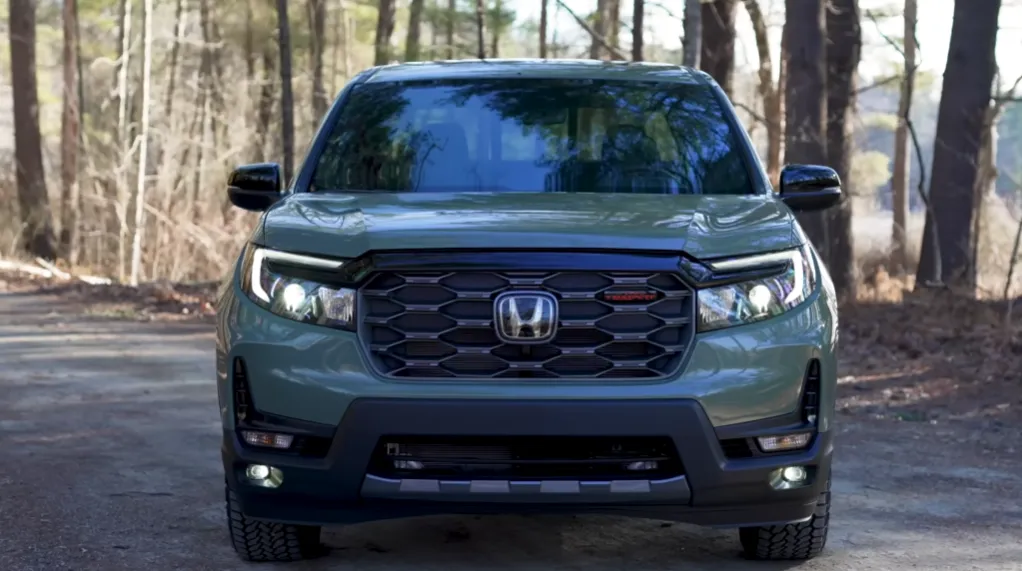
My neighbor Joel bought a Honda Ridgeline six months ago. Joel does tile work and small renovations around Las Vegas. His wife said no to a real truck in the driveway. I had been watching the Ridgeline sit there wondering about it ever since. So he asked to borrow it. Three days, no family along, just Me and whatever the weekend threw at him. What he found answers the question everyone asks about this truck. Read the whole story below.
Why Joel Bought This Truck
Joel is not a truck guy.
He drives to job sites, carries tools, occasionally hauls bags of thinset and boxes of tile. His old vehicle was a Honda CR-V. When it started giving him problems he needed something with a bed. His wife had one condition: nothing that looked like a work truck sitting in their HOA driveway.
The Ridgeline was the answer to that negotiation.
He’s had it for six months. RTL trim. Starts at $45,090 before destination. He paid just under sticker, which he mentioned with the quiet satisfaction of someone who actually negotiated.
Before I borrowed it I asked him one question. Six months in, any regrets?
“None,” he said. “The bed trunk alone paid for itself.” More on that in a minute.
What This Truck Actually Is
The Honda Ridgeline is built on a unibody platform. Same bones as the Honda Pilot and Passport. Not body-on-frame like the Tacoma, the Ranger, or every other midsize truck in the class.
That word, unibody, is why truck purists dismiss it. It’s also why Joel’s wife let it in the driveway.
280 horsepower from a 3.5-liter V6. 262 pound-feet of torque. 9-speed automatic. AWD standard on every single trim. Towing goes to 5,000 pounds. Payload sits at 1,539 pounds on the RTL. Bed is 5 feet 4 inches long.
Those numbers are not class-leading. They’re competitive enough for most buyers who aren’t hauling trailers near the maximum rating every week.
What the numbers don’t tell you is how the truck actually feels to drive. And that’s where the Ridgeline story gets interesting.
Saturday Morning: The Hardware Store Run
I picked up the keys Friday night. Saturday morning I had a project.
Needed to pick up 12 bags of concrete mix, two sheets of cement board, a box of lag bolts, and some miscellaneous lumber from Home Depot. Nothing exotic. The kind of load that fills a truck bed on a regular Saturday in Las Vegas.
The concrete bags went in first. 60 pounds each, 12 bags, 720 pounds total. The cement board flat on top. Lumber alongside.
The bed handled it without drama. The floor is flat with tie-down cleats at the four corners and additional cleats along the sides. Nothing shifted on the drive back. The tailgate on the Ridgeline is dual-action opens down like a normal tailgate or swings to the side like a door. The side-swing made unloading the lumber easier than it would have been otherwise. Open it sideways, slide the lumber out from the side instead of pulling it over the tailgate lip.
I used the side swing three times that weekend without thinking about it. By the third time I understood why Joel mentioned no regrets.
Then there’s the in-bed trunk.
A lockable, weatherproof storage compartment built into the floor of the bed. 7.3 cubic feet. Joel keeps his expensive tile tools in there overnight on job sites instead of unloading them into the garage every evening. Locked. Weatherproof. Hidden under the bed floor. Nothing in the rest of the segment offers this. Not the Tacoma, not the Ranger, not the Frontier.
I put $400 worth of power tools in there Saturday afternoon and drove to a second location without a second thought about whether the tailgate was secured. That is a real feature solving a real problem that working truck owners deal with daily.
The Drive What Nobody Tells You.
The Ridgeline drives like a car.
Not like a car pretending to be a truck. Actually like a car. Smooth. Quiet. Body roll is controlled without being harsh. The suspension soaks up Las Vegas road surfaces in a way that the Tacoma and Ranger, both body-on-frame, simply don’t match on regular roads.
Autoblog called it “the friendliest and most road-civilized midsize pickup truck on the market.” After a weekend in it I understand exactly what they mean. It takes zero adjustment period. You get in, you drive, you feel like you’re in something refined. The 0-60 time of about 6.0 to 6.2 seconds is quicker than the truck’s relaxed personality suggests.
Fuel economy across the weekend in real mixed conditions: 21 mpg. The EPA combined estimate is 21 mpg. Dead on.
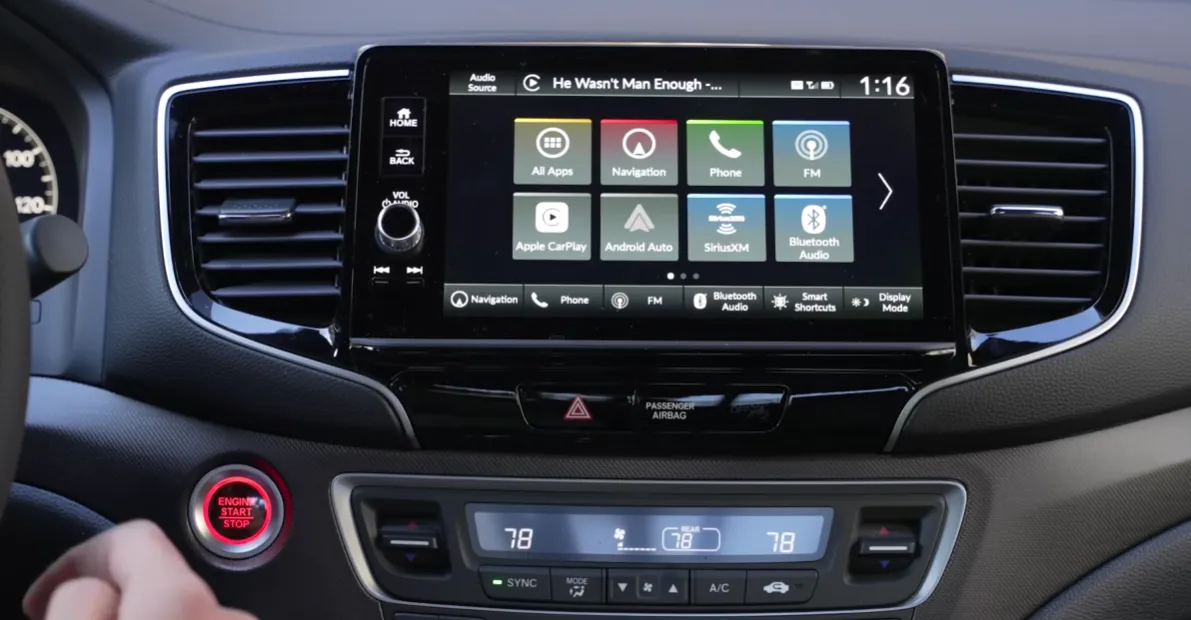
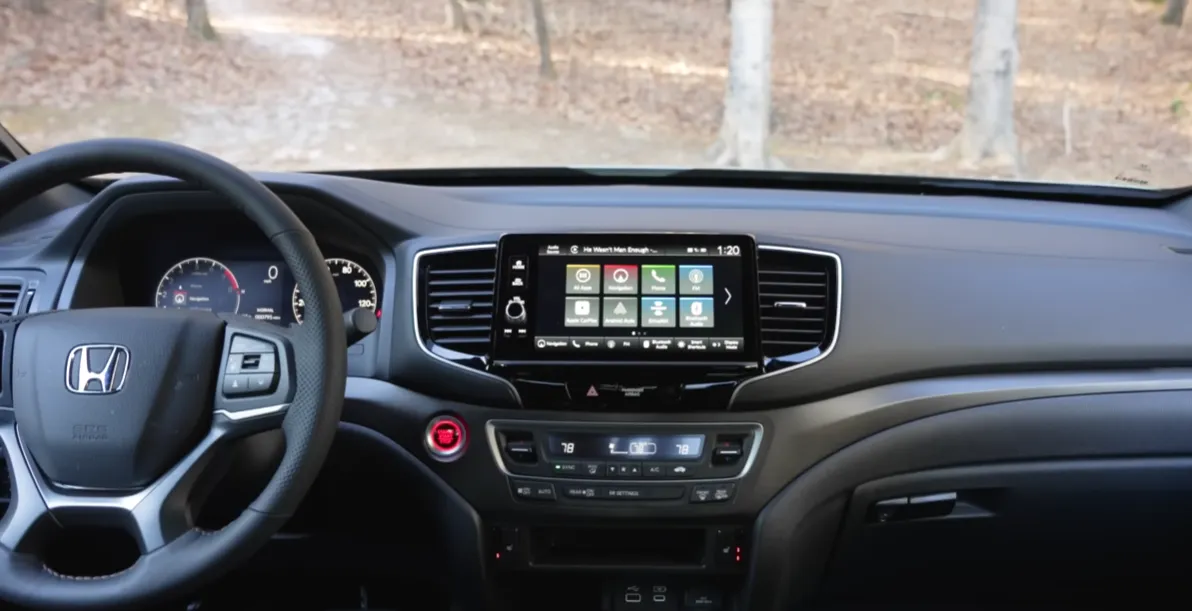
The cabin on the RTL is comfortable in the way that Joel’s wife probably appreciates more than Joel does. Heated leather front seats. Power-sliding rear window. An infotainment system that connected wirelessly to my phone in about 12 seconds and didn’t give me trouble the entire weekend. Physical controls for the climate system.
I sat in the driver seat for maybe 90 seconds on Saturday before I forgot I was in a borrowed vehicle.
The Dirt Road Question
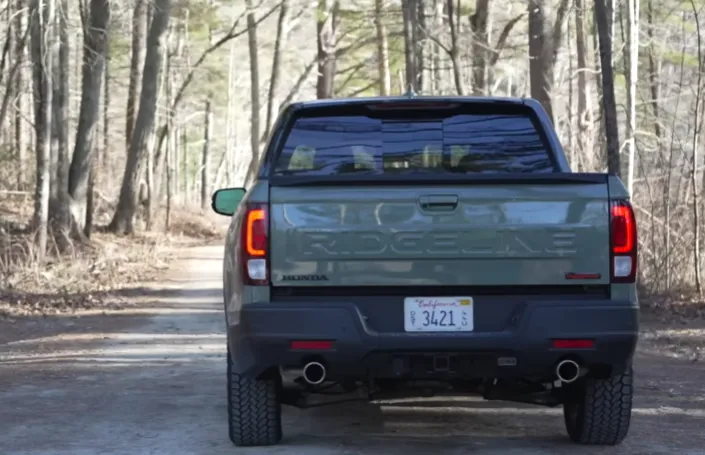
About 30 miles outside Las Vegas heading toward the Valley of Fire, there’s a stretch of unpaved road I use specifically to test vehicles when I have them alone.
It’s not brutal terrain. Loose gravel, some washboard, two sections with mild ruts. The kind of road that exposes ground clearance limits and suspension travel quickly.
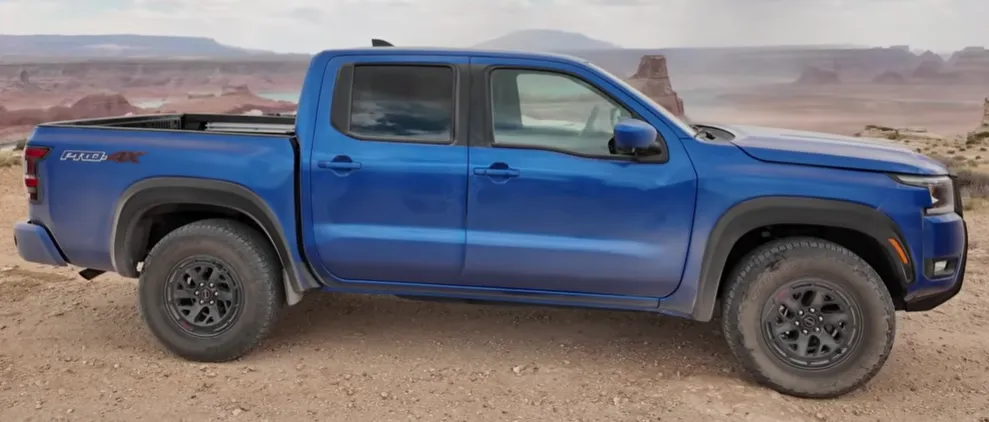
The Ridgeline has less ground clearance than the Tacoma TRD Pro, the Ranger with off-road package, or the Frontier PRO-4X. That’s a real fact and it matters for buyers who go off-road regularly. The TrailSport trim adds all-terrain tires and a slightly tougher suspension tune but doesn’t close the gap entirely.
On this specific road, the RTL trim felt cautious. Not incapable. Cautious. I picked my lines more carefully than I would have in the Frontier or the Outback Wilderness. One section with a deeper rut I slowed to a crawl and picked the edge of the road rather than going through the middle.
Made it through without scraping anything. Took longer than it should have.
The Ridgeline is not a trail truck. It handles unpaved roads that most weekend explorers actually encounter. It does not handle the stuff serious off-road buyers are looking for. That’s an honest line and buyers should know where it sits.
The Decision This Weekend Actually Helps You Make
Here’s the truth after three days.
Buy the Ridgeline if:
You want a truck that handles daily driving better than any body-on-frame competitor. Smoother ride, quieter cabin, easier to park and maneuver in tight spaces, AWD included without extra cost. The in-bed trunk is genuinely useful for anyone who stores tools, gear, or valuables. Reliability from Honda is as proven as it gets in this class CarBuzz rates the Ridgeline 10 out of 10 for reliability, RepairPal gives it 4 out of 5 and ranks it fifth out of eight midsize trucks.
Your household has one person who wants a truck and one person who doesn’t. The Ridgeline is the answer to that negotiation more often than any other vehicle in the segment.
Look elsewhere if:
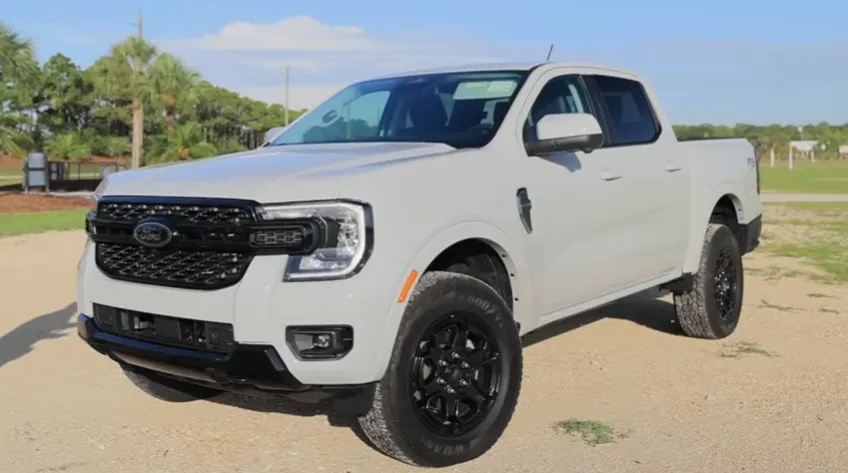
You need to tow more than 5,000 pounds regularly. The Ranger does 7,700, the Frontier does 7,150. The Ridgeline’s 5,000-pound limit is a real ceiling.
You go off-road on serious trails. Ground clearance and suspension travel on the standard trims aren’t built for it. The TrailSport helps at the margins. It doesn’t change the category.
You want a traditional truck driving feel and the manual confidence of body-on-frame. The Ridgeline’s car-like dynamics are a selling point for most buyers and a dealbreaker for a specific kind of truck buyer who feels the difference and doesn’t like it.
What Joel Said When I Brought It Back
I handed him the keys Sunday evening. He asked how it went.
I told him about the hardware store run, the dual-action tailgate, the in-bed trunk, the dirt road outside the city.
He nodded on all of it. Said the tailgate had saved him on three separate job sites when he needed to unload from the side instead of climbing into the bed. Said he’d put almost 8,000 miles on the truck in six months and hadn’t had a single issue. Not one service visit outside the oil change.
Then he said something I want to write down exactly because it’s the most honest thing I’ve heard about any vehicle this year.
“I don’t care what truck guys think about it. It does my job, it fits in my garage, and my wife doesn’t hate it.”
That’s the Ridgeline review in one sentence.
What People Ask Before Buying
Is the Honda Ridgeline a real truck?
It depends on what you mean. It has a bed, AWD, towing capacity, and payload numbers that cover most real-world truck use. It’s built on a unibody platform instead of body-on-frame which affects off-road capability and maximum towing. For buyers who use trucks for daily driving and occasional hauling, it’s a real and capable truck. For buyers who need maximum towing or serious off-road capability, the body-on-frame competitors are the better answer.
What is the in-bed trunk on the Honda Ridgeline?
A lockable, weatherproof storage compartment built into the floor of the truck bed. 7.3 cubic feet of secure storage accessible from outside the vehicle. No other midsize truck currently offers this. It’s one of the Ridgeline’s most practical differentiators and genuinely useful for anyone who stores equipment in their truck overnight.
How does the 2026 Ridgeline tow?
Up to 5,000 pounds. That covers boats under about 18 feet, utility trailers, and light campers. It doesn’t match the Ranger’s 7,700 or the Frontier’s 7,150. If you regularly tow near those higher limits, the Ridgeline’s ceiling will frustrate you.
How reliable is the 2026 Honda Ridgeline?
Among the most reliable trucks in the segment. CarBuzz rates reliability 10 out of 10. RepairPal gives it 4 out of 5, ranking it fifth out of eight midsize trucks. No recalls on the 2026 model per Edmunds’ data. Honda’s overall reliability reputation is one of the strongest of any manufacturer.
Which Ridgeline trim is the best value?
Autoblog and most independent reviewers point to the RTL at $45,090 as the sweet spot. Heated leather seats, upgraded lighting, and the power-sliding rear window at a reasonable step up from the base Sport. Edmunds suggests the Black Edition for buyers who want the premium features and can absorb the price. The TrailSport makes sense specifically for buyers who want the all-terrain tires and tougher suspension tune.
How does the Ridgeline compare to the Toyota Tacoma?
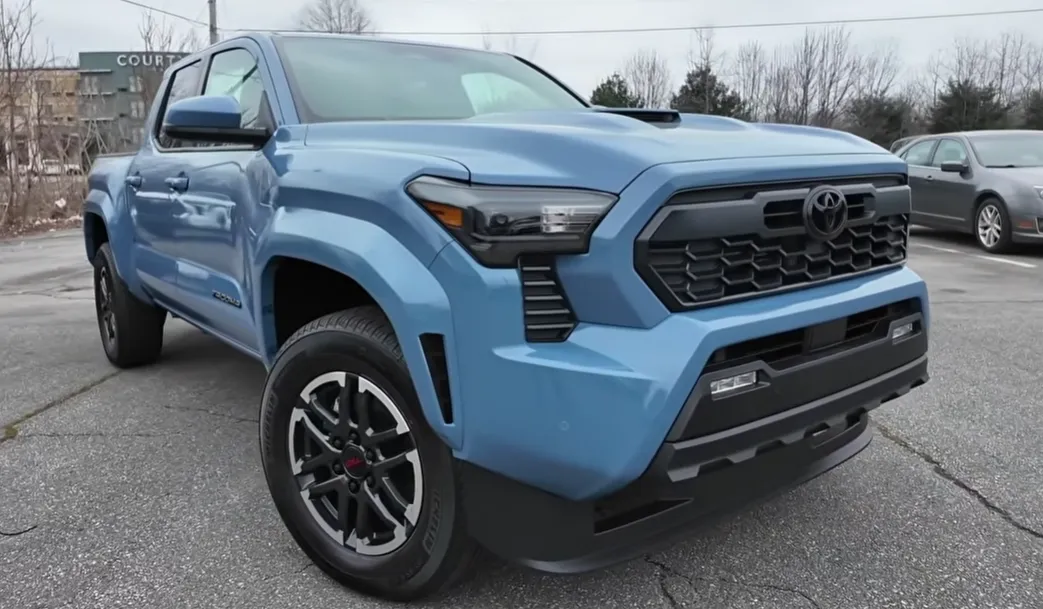
The Tacoma has more off-road capability on comparable trims, a longer reliability track record across higher mileage, and stronger resale value. The Ridgeline rides and drives more comfortably on regular roads, has the in-bed trunk the Tacoma doesn’t, and the dual-action tailgate. The Tacoma tows more. For buyers who prioritize daily comfort and innovative storage, Ridgeline. For buyers who go off-road regularly or tow near maximum capacity, Tacoma.