The Bottom Line
My cousin Kyle sent his work friend Alex to me for car advice. Alex is 23, has never owned a car, and has a $30,000 budget. We talked on a Sunday afternoon and I walked him through every car worth looking at. This post is that same conversation written out. By the end you will know which cars are worth your time, which ones to skip, and the one car in 2026 that most young buyers have not heard of yet. Keep reading to find out what I told him.
Kyle texted me on a Saturday night.
“My friend Alex needs help buying a car. Can he reach out to you?”
Kyle is my cousin. I helped him pick his Volkswagen Jetta a few months back. You can read that story on this site. He did well. Got a good deal, right trim, car suits his life.
Alex texted me Sunday afternoon.
He was 23. Just finished his second year at a job in Las Vegas. He had been bumming rides and using rideshare apps since he moved here. It was costing him a lot and he was ready to do something about it.
His budget was $30,000. He had never owned a car. He did not know where to start.I told him to call me.
We talked for about an hour. What follows is pretty much that whole conversation.
The First Thing I Asked Him
Before I said a single car name, I asked him three things.
How far is your commute? About 25 minutes each way, he said. Mostly surface streets, some highway.
How many miles do you think you drive in a year? He did not know. We figured it out together. His commute plus weekend driving put him somewhere around 13,000 to 14,000 miles per year.
Are you buying or leasing? He wanted to buy. He had saved up a down payment and wanted to own something.
Those three answers told me a lot.
13,000 to 14,000 miles per year is not extreme. It is normal. Almost any car works at that mileage.
A 25-minute commute in Las Vegas is real daily driving. Not a long trip. But enough that comfort, fuel cost, and reliability matter every single day.
Buying rather than leasing meant I needed to think about what the car would be worth and how reliable it would be after 80,000 or 100,000 miles. Not just what it was like to drive new.
With all of that, I started going through his options.

The Honda Civic
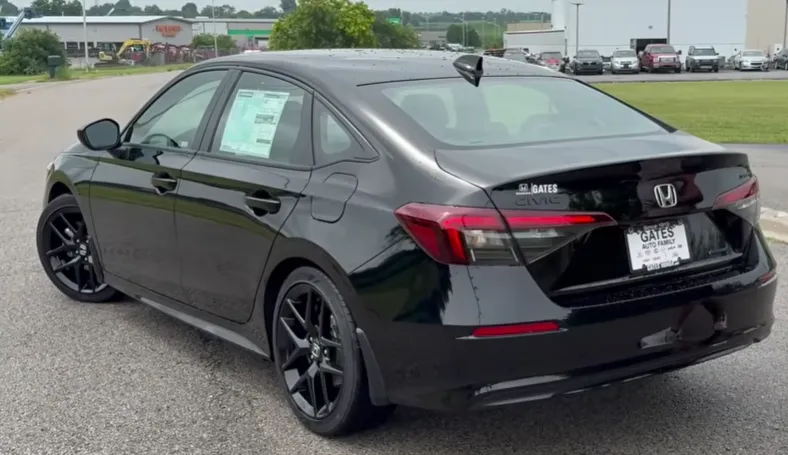
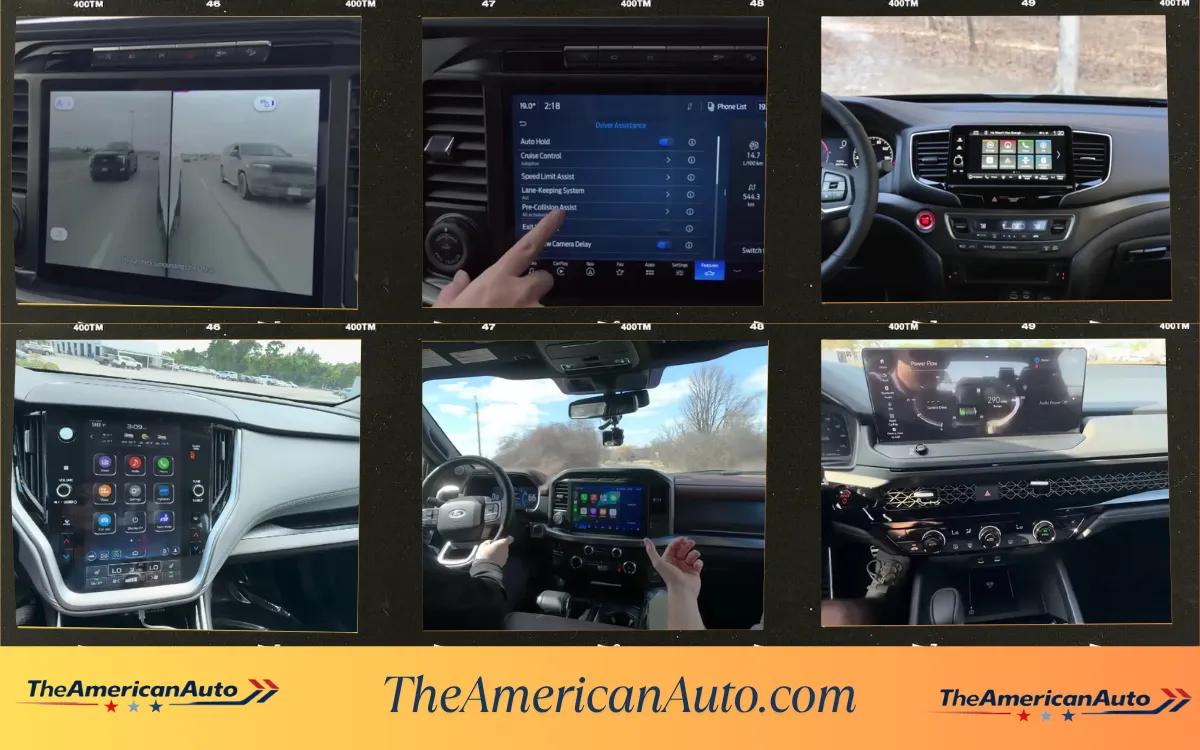
I told Alex that the Honda Civic was the safest first car he could buy.
Not safe as in boring. Safe as in the most proven, most reliable, best-resale compact car in this price range for a very long time.
I reviewed the Honda Civic on this site. Drove it myself. The 2026 model starts around $25,890 and KBB gives it a 4.7 out of 5 expert rating, ranking it the number one compact car for 2026.
What makes it stand out for a first-time buyer is not any single exciting feature. It is the combination of things that matter over five or six years of ownership.
It holds its value better than almost any other car under $30,000. If Alex buys a Civic today and sells it in five years, he loses less money than almost any other choice he could make.
Reliability is one of the best in the class. Problems that other cars develop at 80,000 miles tend to show up later on a Civic or not at all.
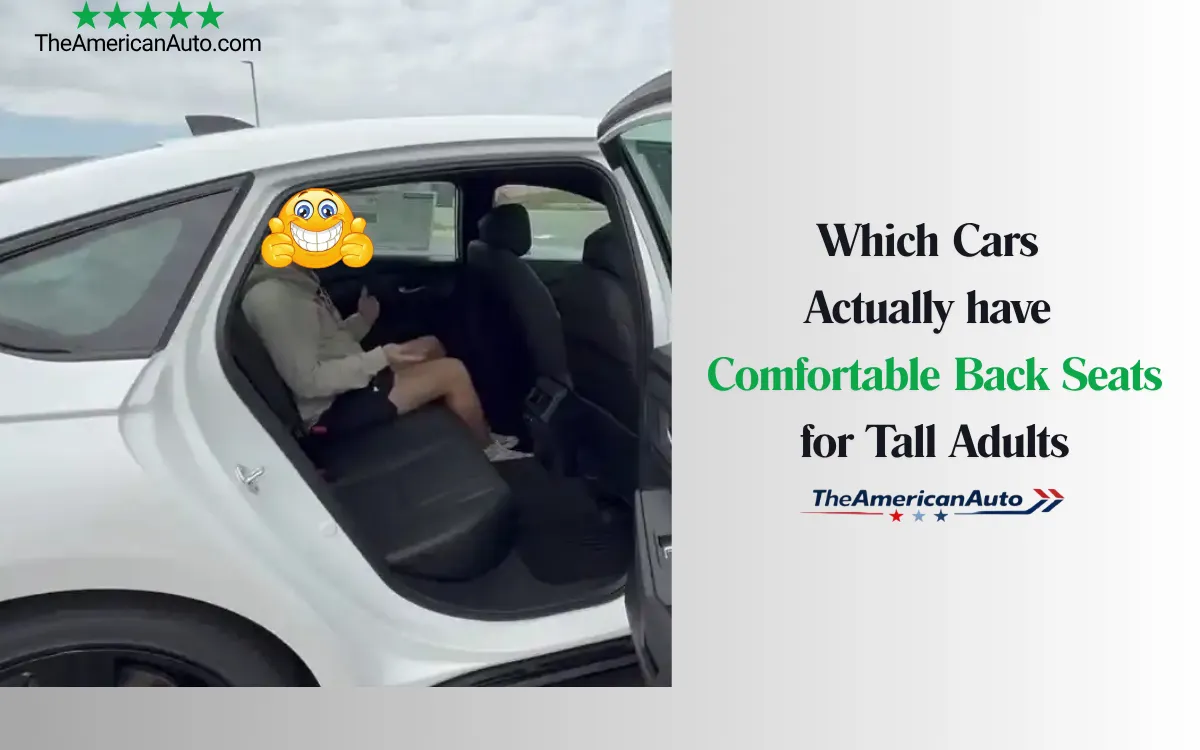
The rear seat fits adults. Not all compact cars do this well. If Alex gives rides to friends or family members, the back seat is actually comfortable.
Fuel economy around 36 miles per gallon combined. Las Vegas is hot and the AC runs hard here. The Civic’s engine does not suffer much for it.
Alex asked me if it was boring.
I told him the truth. Kind of. The base engine is not exciting. The car does not have strong opinions about being driven fast. But after three years of daily commuting, exciting becomes exhausting and reliable becomes the thing you are grateful for every single morning.
He thought about that.
The Toyota Corolla
The Corolla is the other car that has this kind of reputation.
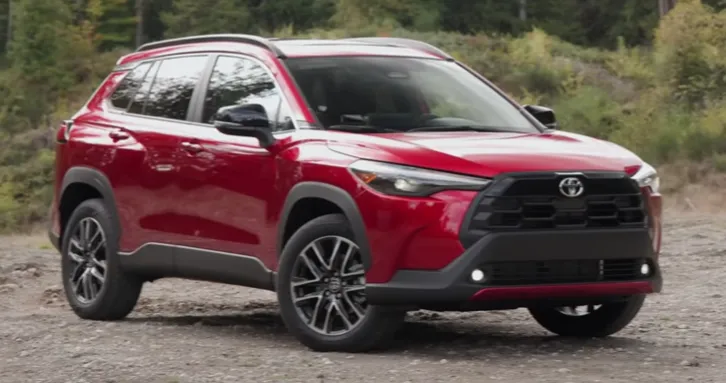
It starts around $23,460. That is a full $2,000 to $3,000 less than the Civic on comparable trims. For a first-time buyer who is stretching to make a down payment, that gap matters.
I told Alex the Corolla’s reliability record is even longer than the Civic’s. Toyota has been making this car for decades and the current generation is one of the best versions they have ever built.
But here is the thing I told him that most people skip.
The Corolla Hybrid starts at around $24,920. For $1,500 more than the base Corolla you get a hybrid system that pushes fuel economy to around 50 miles per gallon combined.
At 13,000 miles per year in Las Vegas, the difference between a 35 mpg car and a 50 mpg car is roughly $600 to $700 per year in fuel savings. Over five years that is more than $3,000.
The Corolla Hybrid also has a reputation for being almost bulletproof. Toyota’s hybrid systems have been around long enough that there is years of real ownership data behind them. They do not cause problems.
I reviewed the Toyota Corolla on this site. The Hybrid version is the one I would point a careful first-time buyer toward at this price.
Alex asked me if it was fun to drive.
I told him it was not. But neither is paying for gas twice a month when once would do.
He laughed.
The Hyundai Elantra
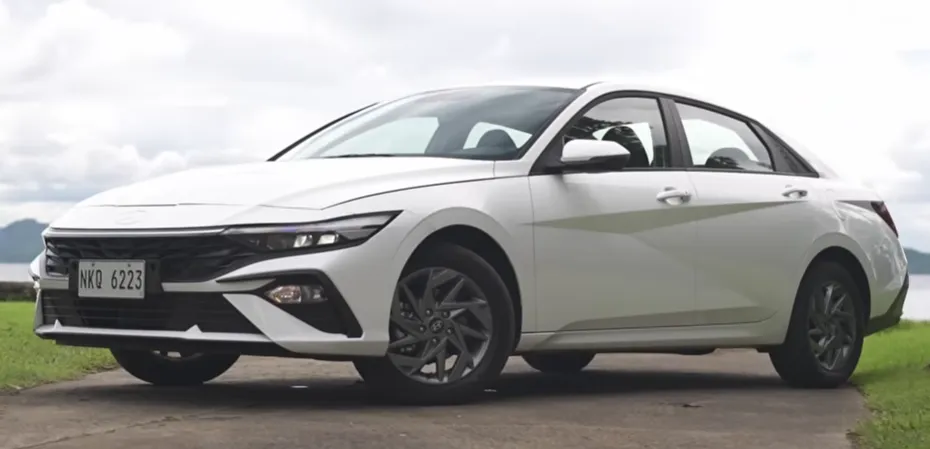
This one surprised Alex when I brought it up.
He knew the Hyundai brand but thought of it as something his parents would drive.
I told him he was wrong and explained why.
I reviewed the Elantra on this site. The 2026 model is sharp looking, well built for the money, and comes with more standard features than most cars in this class.
The base SE starts around $22,000. That is the most affordable serious car on this list.
What makes the Elantra stand out for a young buyer is the standard equipment. Wireless Apple CarPlay on every trim. Blind spot warning. Automatic emergency braking. Adaptive cruise control. Things that other cars make you pay extra for on upgraded trims.
Hyundai also offers one of the best warranties of any car brand. Five years bumper to bumper, ten years on the powertrain. For a first-time buyer who does not have a lot of money saved for surprise repairs, that ten-year powertrain warranty removes a lot of financial risk.
The Elantra Hybrid gets around 54 miles per gallon combined. If fuel economy matters, it is the most efficient non-plug-in car in this class by a real margin.
The honest problem with the Elantra is that rear visibility is not great. The roofline slopes in a way that makes the back window feel small. Alex had not driven much and I told him to take it for a test drive specifically to check if that bothered him.
Some people drive it and never think about it again. Others find it uncomfortable every time they change lanes.
He needed to know which type he was before he bought.
The Volkswagen Jetta
I had to talk about the Jetta because it is the car Kyle bought and Kyle was the one who sent Alex to me.
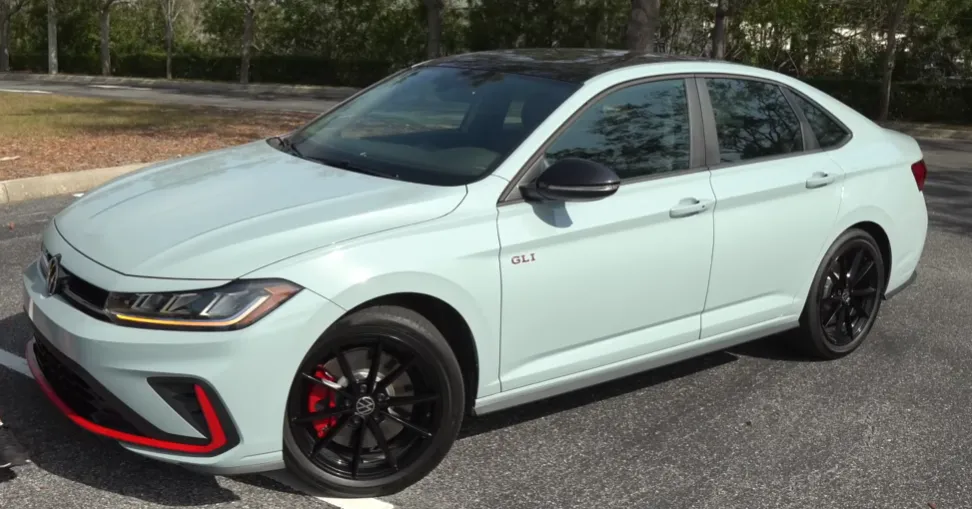
The Jetta is a good car. I wrote a full review on this site. Kyle is happy with his. But I told Alex a few honest things about it that I wish I had told Kyle more clearly before he signed.
The Jetta has below-average resale value compared to the Civic and Corolla. If Alex buys a Jetta and sells it in five years, he gets less money back than he would from either Japanese car.
Maintenance costs slightly more over time than a Toyota or Honda. Not a lot. But the pattern is real and it adds up across years of ownership.
What the Jetta has going for it is the 8-speed automatic transmission, which feels nicer to drive than the CVT in most competitors. The interior feels more premium than the price suggests. And it looks better in a parking lot than almost anything else at this price.
I told Alex that if he plans to keep the car for three years and trade it in, the Jetta is a real option. If he plans to keep it for seven or eight years, the Civic or Corolla is the smarter long-term choice.
The Kia K4
This was the car Alex had not heard of.
It is new. Kia launched the K4 as a replacement for the Forte. It won the US News Best Compact Car for the Money award for 2026. US News gave it a 9.2 out of 10. Every single trim comes in under $30,000 and the base starts around $23,535.
I have not personally reviewed the K4 on this site yet because it was just released. But I have done the research and what I found is hard to ignore for a first-time buyer on a budget.
The K4 comes with Kia’s 10-year, 100,000-mile powertrain warranty. That is the same warranty I talked about in the Kia K5 review on this site. It is one of the best warranties you can get on any car at any price.
The standard features list is strong. Wireless CarPlay and Android Auto. Blind spot monitoring. Automatic emergency braking. The kinds of things that help a new driver stay safe.
The GT-Line Turbo trim adds a 1.6-liter turbocharged engine for people who want a little more energy when they drive. All of it under $30,000.
I told Alex to put the K4 on his test drive list alongside the Civic. It is the new car in this class that is most likely to make a careful buyer happy.
The Mazda3
One more car worth knowing about.
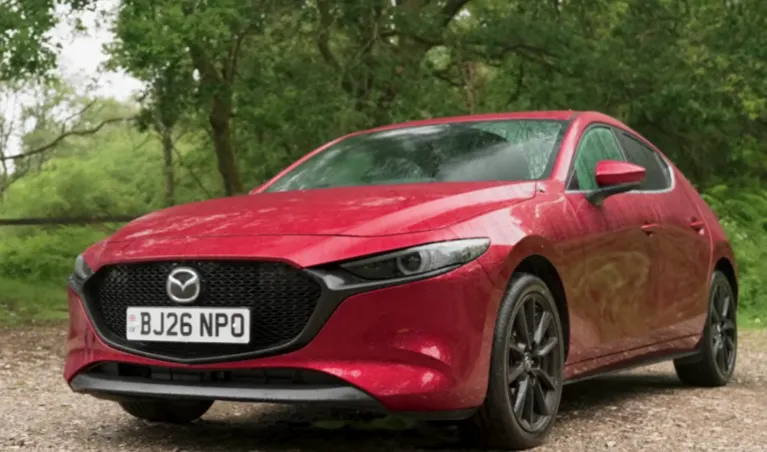
I reviewed the Mazda3 on this site. My coworker Chris, who drives a BMW, borrowed it for an afternoon and came back quiet. It drives better than anything else in this price range by a real margin.
The base 2.5 S starts around $25,785. That is under budget.
The reason I mention it to first-time buyers with some caution is that the rear seat is tight. If Alex regularly carries adults in the back, the Mazda3 is not the right choice. The sloping roofline eats into rear headroom and adults over a certain height feel it quickly.
But for a single person or a young couple who mostly drives with two people in the front, the Mazda3 is one of the most enjoyable commute cars in this class. It is quiet on the highway, the interior is well built for the price, and it steers with a precision that makes daily driving feel less like a chore.
I told Alex to consider it if the rear seat situation was not a regular thing for him.
What I Told Alex at the End
We had been talking for almost an hour. He had a list of five cars in his head.
I narrowed it down for him.
If you want the safest possible choice with the best resale and the lowest risk over five to seven years, buy the Honda Civic. You will never regret it and you will never be stranded.
If you want to spend the least money and save the most on fuel over time, buy the Toyota Corolla Hybrid. The $24,920 starting price and 50 miles per gallon combined changes what a car costs to run over five years.
If you want the most features for the least money and the best warranty in the class, look at the Kia K4. The EX trim with wireless charging and the 12.3-inch driver display is under $27,000 and backed by a 10-year powertrain warranty.
Those three are the ones I told him to test drive. In that order.
Then I told him something else.
Something I did not say clearly enough to Kyle.
I told him to drive each car on the kind of roads he actually drives. Not a dealer route designed to make the car feel good. His actual commute route. The section of street he uses every morning. The parking lot at his job.
A car that feels amazing on a smooth dealer test loop might feel different on the rough stretches of his daily route. The car that feels most natural on his actual road is the right car for him. Not the one that looked best on a website.
Alex said that made sense.
He came back to me two weeks later. He had test driven the Civic, the Corolla Hybrid, and the K4.
He bought the Toyota Corolla Hybrid.
He said the Civic felt more exciting to drive but the Hybrid’s fuel economy numbers changed his thinking when he sat down and did the math on his commute.
Good choice. Exactly what I would have picked for him.
Frequently Asked Questions
What is the best first car to buy under $30,000 in 2026?
The Honda Civic and Toyota Corolla Hybrid are the two strongest choices for reliability, resale value, and long-term ownership cost. The Kia K4 is a newer option that won the US News Best Compact Car for the Money award for 2026 and backs every trim with a 10-year powertrain warranty. All three come well under $30,000. The right choice depends on whether you prioritize driving feel, fuel economy, or warranty coverage.
Is the Honda Civic worth buying in 2026?
Yes. The 2026 Civic starts around $25,890 and earns a 4.7 out of 5 rating from KBB as the number one compact car. It has strong resale value, excellent reliability data, and one of the best overall ownership records of any car in this price range. For a first-time buyer who wants to minimize financial risk over five or more years, the Civic is one of the safest choices available.
How much does the Toyota Corolla Hybrid cost in 2026?
The 2026 Toyota Corolla Hybrid starts around $24,920. It returns approximately 50 miles per gallon in combined driving, making it one of the most fuel-efficient non-plug-in cars under $30,000. The fuel savings over five years at normal commute mileage can offset a meaningful portion of the higher purchase price compared to a base gas sedan.
What is the Kia K4 and is it a good first car?
The Kia K4 is a new compact sedan that replaced the Kia Forte. It won the US News Best Compact Car for the Money award for 2026 with a 9.2 out of 10 score. Every trim is priced under $30,000, starting around $23,535. Kia backs it with a 10-year, 100,000-mile powertrain warranty. It is a strong choice for first-time buyers who want strong warranty coverage and a full set of standard safety features at a low price.
Should a first-time buyer lease or buy a car?
It depends on how long you plan to keep it and how many miles you drive per year. If you plan to own the car for five or more years and drive between 12,000 and 15,000 miles annually, buying is usually the better financial decision over time. Leasing makes more sense if you want a lower monthly payment and prefer getting a new car every three years. I wrote a full guide on this exact question in the Buying vs Leasing post on this site.
Is the Volkswagen Jetta a good first car?
Yes, with conditions. The Jetta drives better than most cars at this price and has a premium-feeling interior for the money. However, its resale value is below the Honda Civic and Toyota Corolla, and maintenance costs slightly more over time. It is a strong choice for a buyer who plans to keep the car for three to four years. For buyers who plan to keep it longer, the Japanese alternatives hold their value better.
What should a first-time car buyer look for in a commuter car?
Reliability and fuel economy matter most for daily commuting. A car that starts every morning without issues and costs less to fuel over five years saves more real money than a car with exciting features you stop noticing after the first month. Safety features like automatic emergency braking and blind spot monitoring are worth prioritizing, especially for a new driver. Test the car on your actual commute route, not just a dealer loop.