The Bottom Line
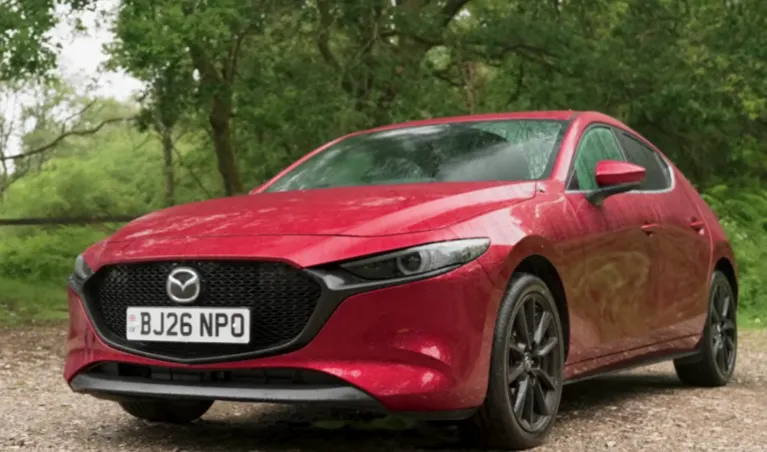
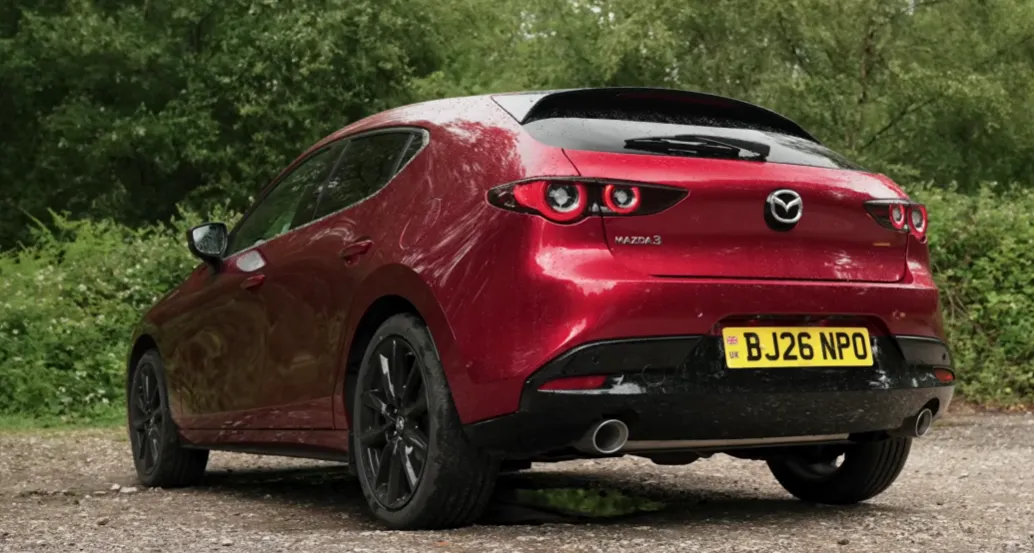
I leased the 2026 Mazda3 2.5 Turbo Premium Plus for four weeks. My coworker Chris drives a leased BMW 3 Series and dismissed the Mazda with a laugh when I told him what he was in. Two weeks into the lease I have handed Chris the keys for an afternoon. The 250 horsepower turbo, the steering that weights up like something twice the price, and an interior that reads premium without trying hard all played a role in what happened next. Read the full post to find out.
Chris sits two desks over from me at work.
He leases a new BMW 3 Series every three years. Talks about it the way some people talk about their gym routine. Regularly. Unprompted. With the quiet confidence of someone who has decided the decision is settled.
When I told him I was in a Mazda3 for the next four weeks his response was a short laugh. Not unkind. Just the casual dismissal of someone who has already moved on from that conversation.
“Let me know how the Corolla treats you,” he said.
It’s not a Corolla. And two weeks later when I handed him the keys for a Tuesday afternoon, he found out exactly what it is.
What the 2026 Mazda3 Actually Is
Most people think Mazda3 and picture something sensible. A commuter car. A first car. A getting-from-point-A-to-point-B car that doesn’t ask anything from the driver and doesn’t offer anything back.
The base 2.5 S is somewhat close to that picture. 186 horsepower, front-wheel drive, starting at $25,785. Adequate. Smooth. Well-built for the money.
The 2.5 Turbo Premium Plus is a different vehicle wearing the same body.
250 horsepower. AWD standard. 0-60 somewhere around 6.0 seconds depending on conditions. The turbo spools with almost no lag from a rolling start and the AWD system puts power down cleanly out of tight corners. Fuel economy on the turbo AWD in real daily mixed driving across four weeks averaged about 27 mpg. The EPA combined is 26 mpg. I beat it slightly every week.
The Turbo Premium Plus starts at $38,175 before destination. Real transaction prices on KBB show buyers paying around $35,800 to $36,700. Most people don’t pay sticker on a Mazda3.

The Steering
I want to spend a moment on this because it’s the thing that separates the Mazda3 from everything else in the compact class and it’s also the thing that’s almost impossible to describe without sounding like an automotive cliche.
The steering weights up as you build speed.
At parking lot speeds it’s light and easy. At 45 mph it has a specific amount of resistance that tells you exactly where the front wheels are pointed. At 70 mph on the highway it feels planted in a way that most compact sedans don’t. You don’t think about the car on a long highway drive. You think about where you’re going.
JD Power called it “refined, sophisticated, and upscale” for an affordable small car. TrueCar said it has a “clean control feel.” Both descriptions are accurate and both miss the specific quality that makes the Mazda3 feel different from a Civic, a Corolla, or an Elantra in real driving.
It feels like someone cared how it would feel to drive, not just whether it would drive.
Chris would agree with that. He called me about 40 minutes into his afternoon with the car. Not to talk. Just to say: “where did you get this.”
Four Weeks in Las Vegas
No family logistics in this post. No school runs. This four-week lease was just daily commuting, weekend driving, and one long run down to Henderson and back that covered about 90 miles round trip.
The cabin is quiet at highway speed. Noticeably quiet for a car at this price. Wind noise at 75 mph on I-15 was present but low. The road noise suppression is better than anything else I’ve driven in the compact class under $40,000.
The seats. Leather on the Premium Plus. Supportive without being aggressive. On longer drives the lower back support holds without creating pressure points. I drove 90-plus minutes one Saturday and arrived without needing to reconfigure anything.
The 8-speaker Bose audio system is standard on the Turbo Premium Plus. I play music at about 60 percent volume on the highway. With this system I was playing it at 40 percent because the output at that level was already more than enough. The sound staging in a car this size was not something I expected to notice and I noticed it within the first week.
The rotary dial for infotainment control is the same setup as the CX-50 and CX-30. Center console dial, not direct touchscreen interaction while driving. The learning curve is real for the first week. By week two it was second nature and I preferred it. Reaching across to tap a screen while driving is something you stop wanting to do once you stop doing it.
The Interior That Confuses People
Here is what happens when someone gets into the Mazda3 Turbo Premium Plus for the first time.
They look around. They touch the dashboard. They look at the leather. They try to figure out what they’re looking at.
Chris sat in the passenger seat when he returned the car and went through exactly this process. He tapped the dash. He ran his hand across the center console. He said: “how much did you say this cost.”
$38,175 base. He pays $54,000 for his BMW 3 Series.
The Mazda3’s interior is not trying to be a luxury car. What it is: every surface you interact with daily feels intentional. The gear selector weight. The button resistance. The way the seat bolsters hold you without gripping you. The ambient lighting that doesn’t announce itself. The small details that add up across four weeks of daily use in a way that a single test drive never reveals.
JD Power described it as a car that “does not look, feel, operate, or drive like a typical entry-level compact.” That assessment holds after four weeks of real daily use.
Where the Mazda3 Falls Short
Two things. Honest.
The rear seat is genuinely tight. This is the most consistent complaint across every Mazda3 review from every publication and every owner forum and it’s accurate. An adult over 5’10” in the rear seat on a long drive is an uncomfortable situation. The sloping roofline that makes the car look sharp from outside steals headroom from rear passengers. For a driver-focused car used primarily by one or two people this doesn’t matter. For anyone who regularly carries four adults, it matters a lot.
Resale value is below average for the class. KBB data puts Mazda3 resale below the Civic and Corolla over a five-year ownership period. For buyers who lease, this is invisible. For buyers who purchase and plan to sell after five or six years, it affects the real total cost of ownership. The Civic holds its value better. Worth knowing before you decide.
Reliability
No recalls on the 2026 Mazda3 per Edmunds’ current data. RepairPal gives it 4 out of 5 for reliability, ranking it 15th out of 46 compact cars. IIHS has awarded the Mazda3 either Top Safety Pick or Top Safety Pick Plus every single year since 2019 without exception. NHTSA gives the 2026 model a five-star overall safety rating.
The 3-year 36,000-mile basic warranty is shorter than Hyundai and Kia’s coverage. The reliability data suggests most buyers won’t need to use the warranty heavily, but the coverage period is worth knowing upfront if you’re coming from a Korean brand’s longer protection.
Real owner complaints across forums are minor. Some report the infotainment dial takes adjustment. A few flag that the turbo engine prefers premium fuel for optimal performance, which adds to running costs compared to the base engine’s regular fuel requirement. Nothing systemic. Nothing that should worry a careful buyer.
Chris’s Verdict
He came back after about two hours. I was expecting 45 minutes.
He parked it. Sat there for a moment before getting out. Came inside and handed me the keys without saying anything for about 10 seconds.
Then: “I wasn’t expecting that.”
We talked about it for a while. He wasn’t ready to admit the Mazda3 was better than his BMW in any specific way. What he said instead was more interesting.
“For what it costs, it has no business feeling like that.”
He’s asked about it twice since. Once to ask what trim I had. Once to ask when I was returning it.
The BMW stays in his driveway. But he’s been quieter about it since Tuesday.
Who Should Actually Buy the Mazda3
The base 2.5 S at $25,785 makes sense for budget-focused buyers who want Mazda’s build quality and driving feel without the turbo price. Fuel economy is better, running costs are lower, and the fundamental driving experience is still a step above most compact competition.
The Turbo Premium Plus at $38,175 is the one that competes directly with the bottom end of the German luxury compact market. If you are comparing it against a base BMW 3 Series or a base Audi A3 at $40,000-plus, the Mazda3 Turbo Premium Plus is a serious conversation. Better reliability data. Lower insurance costs. More standard equipment per dollar. The trade-off is the badge on the hood and the rear seat that adults will notice on longer trips.
For drivers who spend most of their time in the front seats and care more about how a car feels than what it says on the outside, the Mazda3 is one of the most compelling compact cars sold in America right now.
Chris knows this. He just hasn’t said it out loud yet.
Frequently Asked Questions
Is the 2026 Mazda3 Turbo worth the price over the base model?
For drivers who use the highway regularly, yes. The 250-horsepower turbo changes the driving experience in a way that matters daily, not just on spirited drives. The AWD also adds real traction confidence in wet conditions. The premium fuel requirement adds to running costs. For mostly city driving under 50 mph, the base 186-horsepower engine is smoother and more efficient and the money saved is real.
How does the 2026 Mazda3 compare to the Honda Civic?
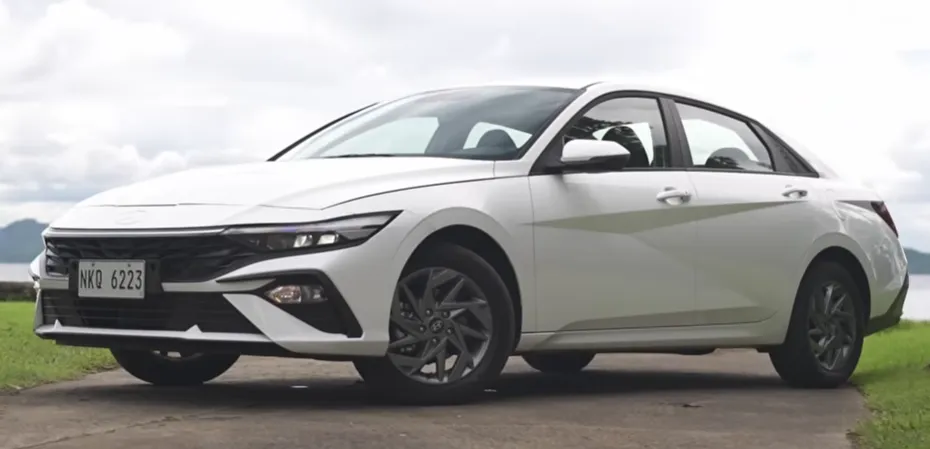
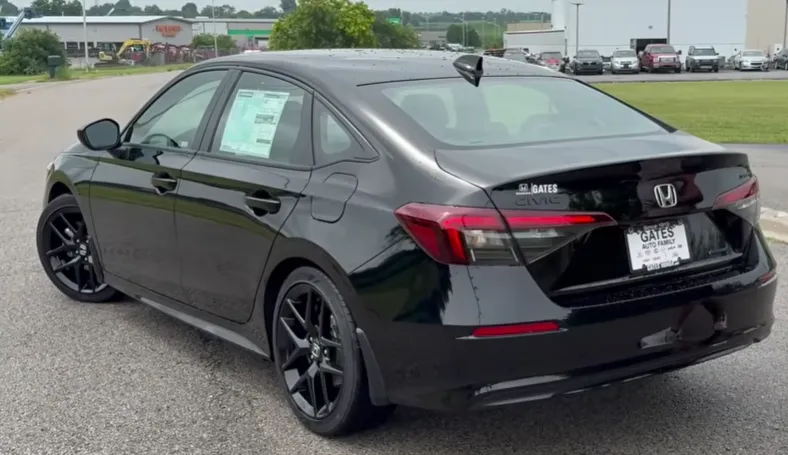
The Civic has better resale value, a larger rear seat, and a wider trim selection. The Mazda3 has better driving dynamics, a more premium-feeling interior on comparable trims, and more distinctive styling. At comparable prices the Mazda3 wins on feel, the Civic wins on practicality and long-term value retention.
Is the 2026 Mazda3 reliable?
Yes. RepairPal rates it 4 out of 5, IIHS has given it Top Safety Pick or Top Safety Pick Plus every year since 2019, and NHTSA awarded it five stars overall for 2026. No active recalls on the 2026 model. Ownership costs are low outside of premium fuel for the turbo engine.
Does the 2026 Mazda3 have AWD?
AWD is standard on the Turbo Premium Plus and the S Carbon Edition. Other trims come with front-wheel drive. If AWD matters for your driving conditions, the Turbo Premium Plus is the primary option in the sedan body style.
What is the rear seat like in the Mazda3?
Tight. The sloping roofline limits headroom for taller passengers and the overall rear seat space is below average for the compact class. Adults under 5’9″ manage on shorter trips. Regular adult rear passengers on longer drives will feel the limitation. It is the car’s most consistent and legitimate criticism across all reviews and owner feedback.
How is the fuel economy on the 2026 Mazda3 Turbo?
EPA combined estimate is 26 mpg on the AWD Turbo. Real mixed driving across four weeks of Las Vegas commuting and highway runs averaged 27 mpg. The turbo engine prefers premium fuel which raises the per-mile fuel cost compared to the base engine’s regular fuel requirement.