My buddy Marcus wanted to rent a truck.”We’re going to Zion” he said Thursday night while we were packing. Canyon roads. Dirt pullouts. We need something with real clearance.
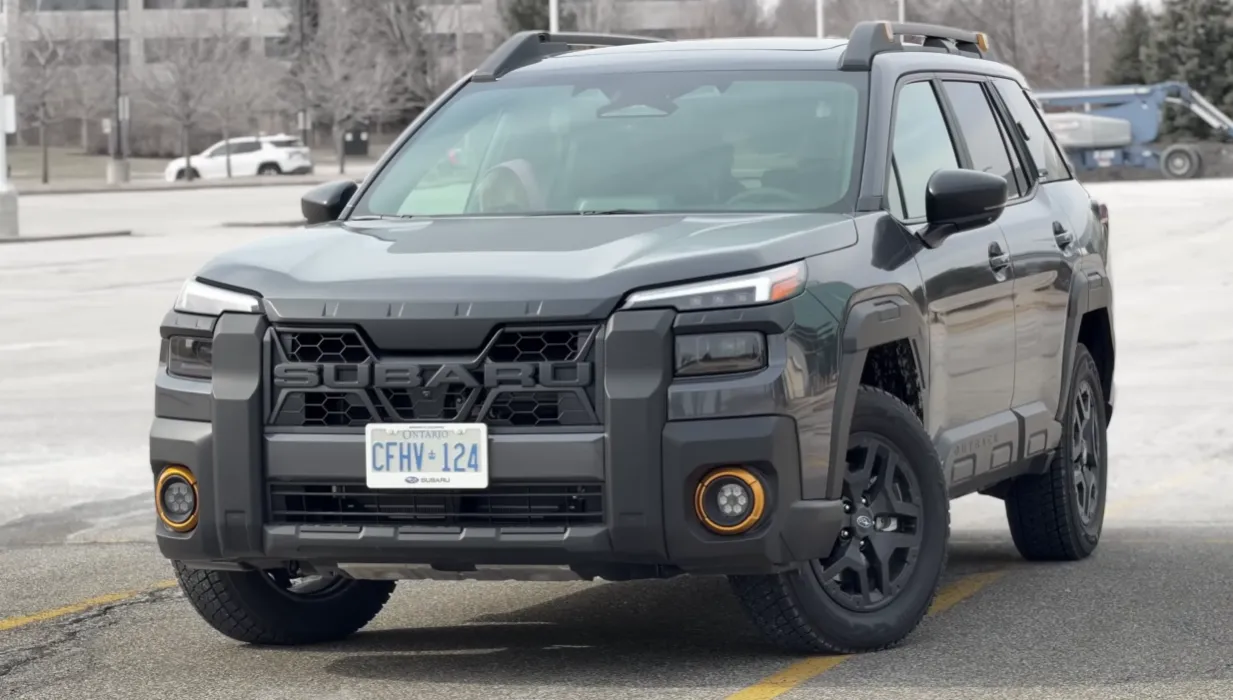
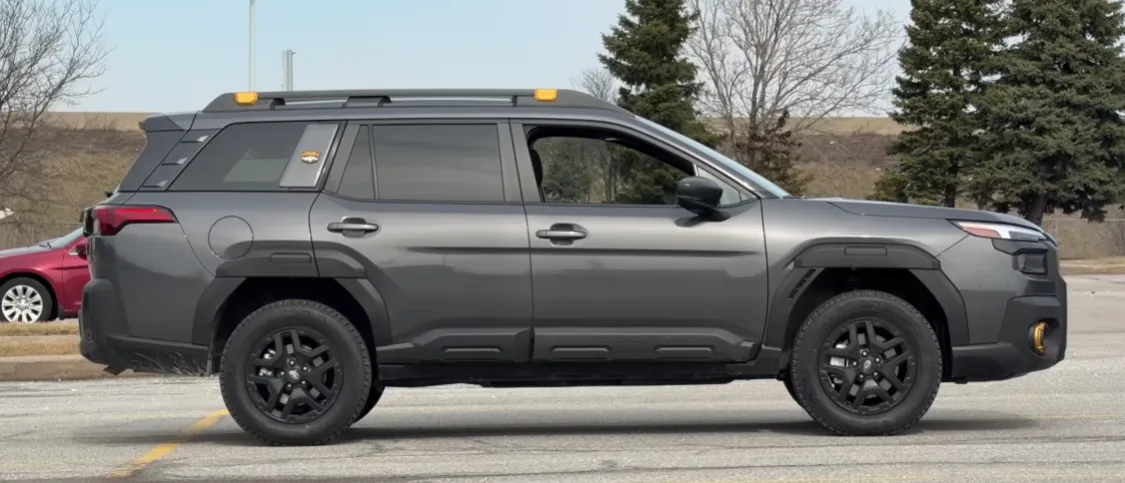
I had the Outback Wilderness sitting in my driveway in Las Vegas on a lease and I told him we’d be fine. He wasn’t convinced. He showed up Friday morning with a 50-liter pack, looked at the Subaru Outback, and said “this better not get us stuck somewhere embarrassing.”
It didn’t. But it did surprise all three of us are in ways we expected and a couple we didn’t.
The Drive From Las Vegas: I-15 North to SR-9
Las Vegas to Zion’s south entrance is 160 miles. You take I-15 North out of the valley, through the Nevada desert into Utah, then exit onto SR-9 East at Hurricane. From there it’s 23 miles of winding two-lane road through small towns Hurricane, La Verkin, Virgin, Rockville before you hit Springdale and the park entrance.
The whole drive takes about 2.5 hours without stops. We left at 5:15am Friday.
Why that early? Because anyone who’s been to Zion in late May knows the parking situation is already gone by 8am. The main Zion Canyon Scenic Drive is closed to private vehicles from April through November. You park at the visitor center or in Springdale and take the shuttle. The shuttle lines build fast. We wanted first shuttle access before the crowds hit.
The I-15 stretch out of Vegas is flat and fast. The Outback’s 2.4-liter turbo 260 horsepower, 277 pound-feet of torque sat at highway speed without working hard. Quiet cabin. The three of us talked the whole way through the Nevada desert without raising our voices once. Marcus was in the back with gear piled next to him and he’d already stopped complaining by the time we crossed into Utah.
SR-9 from Hurricane into the park is where the road gets honest. Tight curves. Elevation changes. The walls closing in on both sides as you approach the canyon. The Outback’s steering felt sharper here than I expected Subaru borrowed the calibration from the WRX for 2026, and through those curves you feel it. The car goes where you point it without the floating sensation wider crossovers sometimes have on canyon roads.
We hit the visitor center at 7:42am. Parked easily. First shuttle loaded at 7:55.
Three Guys, One Car, A Lot of Gear
Here’s what we actually packed:
- Three 50-liter hiking packs
- One soft cooler loaded for two days
- Hiking boots, trail runners, and camp sandals per person
- Trekking poles for all three
- Dry bags and neoprene socks for the Narrows
- A first aid kit, water filter, and emergency blanket
- Camera gear and a small tripod
- Snacks, fuel, and one change of clothes each
All of it fit. The 2026 Outback has 35 cubic feet of cargo space behind the rear seats up from 32.6 in last year’s model. The load floor is noticeably wider and easier to load than the previous generation. Packs went in first, cooler wedged against the left wall, boots and poles on top. The rear seat was usable with one person back there.
Joel rode in the back most of the drive. He’s 6’2″. He survived.
What I want to be honest about: three full-size adults with serious hiking gear in a non-truck vehicle means the rear passenger is living with bags touching their legs. It works. It isn’t luxurious. If your crew is gear-heavy and all three of you need rear seat comfort for a longer drive, a rooftop cargo bag changes everything. The roof rails on the 2026 Outback support up to 800 pounds. We should have used them.
What Zion in Late May Actually Feels Like
People write about Zion like it’s just a hiking destination. It’s also a specific driving challenge and the weather makes it harder than photos suggest.
Temperature on the canyon floor hit 91°F on Saturday afternoon. The red rock walls trap heat and reflect it back at you. We started our Angels Landing approach at 6:30am specifically to beat that heat window. By 11am we were back at the shuttle stop sweating through our shirts and every water bottle was empty.
At elevation it’s a different story. The East Mesa trail tops out around 6,500 feet. We started in t-shirts and finished pulling fleece out of our packs. The temperature swing across a single hike was close to 28 degrees. Layering isn’t optional at Zion in late May it’s mandatory regardless of how hot the parking lot feels when you start.
And then Saturday afternoon, around 3pm: a thunderstorm. Fast. The kind that rolls over the canyon rim with almost no warning. We were about a mile out on the Riverside Walk when the sky changed color. By the time we got back to the shuttle stop we were wet. Not damp. Wet.
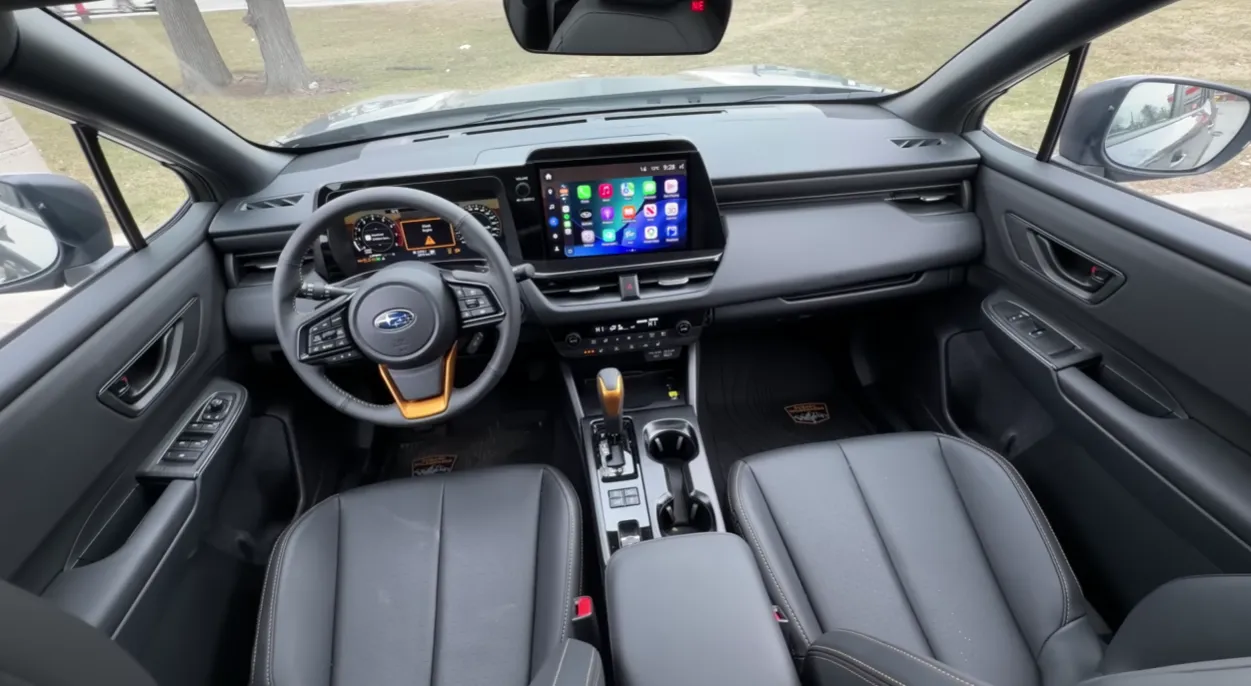
Back at the car, the Outback’s climate system came on fast and the physical climate controls real knobs, real buttons meant nobody had to navigate a touchscreen with cold wet fingers. That’s the 2026 model specifically. Subaru brought back physical controls after a generation of touchscreen-only climate management. On a normal day it’s a convenience. After a canyon thunderstorm with three soaked hikers in the car, it felt like a legitimate design decision.
The Roads That Tested It
The main Zion Canyon road is shuttle-only in peak season. Private vehicles can’t drive it. But the park has other roads that tell you more about a vehicle anyway.
Zion-Mt. Carmel Highway. SR-9 on the east side of the park. This is the road that goes through the mile-long tunnel and then unspools through steep switchbacks with canyon walls on one side and open air on the other. The Outback’s width at 75.8 inches gives you comfortable clearance through the tunnel. We passed a Ram 1500 taking it dead slow with a ranger guiding him through the centerline. We drove through normally.
Kolob Terrace Road. This is the one Marcus hadn’t heard of. Accessible from Virgin, Utah, about 15 miles from the park entrance. It climbs from desert scrub into pine forest and gets progressively rougher. Washboard sections, loose gravel, a few spots where a standard crossover would scrape.
The Outback Wilderness has 9.5 inches of ground clearance. I switched X-MODE to the Snow/Dirt setting and the car picked through the rough sections without drama. X-MODE is Subaru’s terrain traction system two settings, Snow/Dirt and Deep Snow/Mud, plus Hill Descent Control. On Kolob Terrace Road the Snow/Dirt setting was the right call. The AWD found grip on the loose sections without any corrective input from me.
Marcus said nothing. He just looked out the window. That was his version of a concession.
One unpaved pullout we stopped at for sunset had a steep sandy approach. The kind of section where you commit or you don’t go. We went. The Symmetrical AWD walked us in and walked us back out. No wheel spin, no second-guessing, no reversing in embarrassment.
The Narrows. What Nobody Tells You About the Car After.
We did the Narrows on Saturday morning before the thunderstorm. The Virgin River through the slot canyon was running at around 75 cubic feet per second from late-season snowmelt higher than summer flows, colder, more unpredictable underfoot. We had dry bags, neoprene socks, and trekking poles.
We also had the Outback’s cargo area full of wet gear for the rest of the day.
Soaked neoprene. Wet packs. Damp everything. The rubber floor mats handled it. The cargo area didn’t smell like a locker room by the time we loaded for the drive home Sunday morning, which is the only review wet hiking gear storage needs.
The Narrows themselves: worth every uncomfortable step on slippery river rocks in cold water. The canyon walls narrowing to 20 feet wide with 2,000-foot walls above you is one of those things you don’t forget. The car got us there. What happened inside the canyon is on Zion, not Subaru.
Where the Outback Fell Short
Two things. Not dressed up.
The base 2.5-liter engine would have struggled on these roads with this load. I had the Wilderness with the turbo and it was adequate. A friend drove his standard Outback Premium on similar canyon roads last summer and described the grades as “stressful.” The naturally aspirated 180-horsepower engine gets labored on mountain terrain with a full passenger load. If you’re buying an Outback specifically for outdoor and mountain use, the turbo trim isn’t optional. It’s the only version that doesn’t make you work around the engine.
The CVT has a hesitation when you press firmly from slow speeds. Coming out of tight switchbacks and rejoining moving traffic, there’s a beat where the transmission figures out what you want before it delivers it. You learn to press the accelerator earlier than feels natural. It becomes habit. But it shouldn’t require a learning curve on roads where confident acceleration matters.
What This Weekend Actually Cost to Run
Las Vegas to Zion and back is 320 miles round trip. Add the in-park driving, Kolob Terrace Road, and various pullouts call it 380 miles total for the weekend.
The Outback Wilderness EPA estimate is 21 city and 26 highway. Across 380 real miles of mixed canyon driving, loaded with three people and gear, we averaged close to 25 mpg. One fuel stop each way. Both under $55. For a turbocharged AWD SUV running loaded through elevation changes on desert roads, that’s a result worth knowing.
Should You Buy It
Yes, with conditions.
The Outback Wilderness is the right vehicle for buyers who do this kind of thing regularly. Weekend trips to national parks, mountain roads, unpaved trailheads, variable weather. The AWD with X-MODE handles the terrain. The cargo space handles the gear. The ground clearance keeps you out of trouble on roads that would scrape a standard crossover.
- Get the Wilderness trim. The turbo engine is not a luxury upgrade for outdoor use. It’s a functional requirement on mountain terrain with a load.
- Use the roof rails. If three people are packing seriously, a rooftop bag frees the cabin and makes rear-seat life bearable.
- Arrive early at Zion. No vehicle fixes the shuttle system. The Outback gets you there what you do about parking at 9am is your problem.
- The CVT lag is real. Know it exists, adapt to it, decide if it bothers you during a test drive before you commit.
Edmunds scored the 2026 Outback 7.6 out of 10. Consumer owners on the same platform average 5 out of 5 across 26 reviews. That tells you something important: experts want it to be more exciting. Owners are using it and not finding reasons to complain. On a weekend like ours, owner logic wins.
A Few Things People Always Ask
Is the Subaru Outback actually capable off-road or is it just marketed that way?
The Wilderness trim is genuinely capable on unpaved roads, loose gravel, and moderate trails. It is not a rock crawler and it’s not pretending to be. For the trails, pullouts, and forest roads that most outdoor enthusiasts actually use, the Wilderness handles it comfortably. Serious rock crawling requires a proper 4×4.
What’s the real cargo space like for a multi-person trip?
35 cubic feet behind the rear seats. Enough for three people’s serious hiking gear if you pack intentionally. Tight with three people and their full gear sharing the cabin space. A rooftop cargo bag makes a meaningful difference on a longer trip.
How is the Outback in extreme heat?
The climate system cools the cabin fast and the physical controls make adjustment easy. What the car can’t control is how the canyon heat affects you outside of it. In 90-degree Zion in late May, your water supply and your start time matter more than the car’s air conditioning.
How does the 2026 Outback compare to the Toyota RAV4?
The RAV4 has hybrid and plug-in hybrid options the Outback doesn’t offer. The Outback has more ground clearance on comparable trims and AWD standard on every configuration. For outdoor-focused buyers specifically, the Outback Wilderness and RAV4 TRD Off-Road are the two honest comparisons both are capable, the Outback edges ahead on ground clearance and all-weather tuning, the RAV4 hybrid wins on fuel efficiency.
Is the 2026 Outback reliable for long-term ownership?
96% of all Subaru Outbacks sold in the last decade are still on the road today per Subaru’s own data a figure that holds up better than the RAV4, CR-V, and 4Runner over the same period. The 2.5-liter engine is one of the most proven powerplants in the class. The turbo in the Wilderness carries a strong track record across other Subaru models.