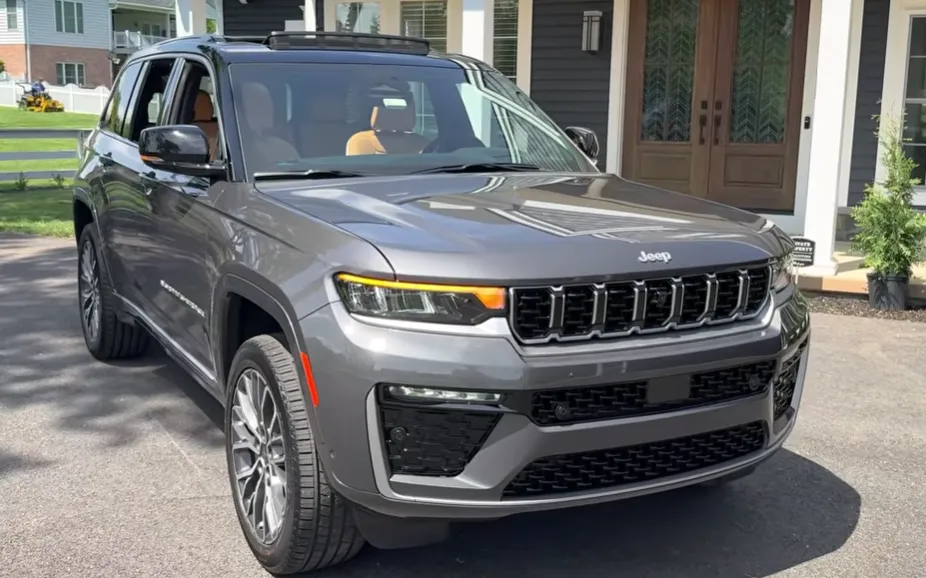
America’s most storied SUV just did something nobody expected.It dropped the V6.
The 2026 Jeep Grand Cherokee is now powered by a turbocharged 2.0-liter four-cylinder engine in most trims. Making 324 horsepower and 332 pound-feet of torque. From a 2.0-liter. That’s a better power-to-displacement ratio than Stellantis’ own Hellcat V8 per Cars.com’s engineering analysis.
When I found that out before the lease I had two reactions. First: impressive.
Second: I need to drive this before I tell anyone whether it actually works. Three weeks later I have answers. The engine mostly works. The transmission is the problem. And compared to the Telluride, the Palisade, and the Ford Explorer, the Grand Cherokee wins some clear battles and loses others just as clearly. Here’s exactly how it all lines up.
Quick picture before we get into it:
The 2026 Grand Cherokee starts at $39,990 and climbs past $58,000 on the Summit Reserve. The Laredo and Laredo X still use the 3.6-liter V6. Everything above that gets the new Hurricane 2.0L turbo. The PHEV 4xe version remains available for buyers who want plug-in hybrid. Towing maxes at 6,200 pounds. Off-road credentials remain strong across most trims, and the Trailhawk still exists for people who actually take these things off pavement.
Grand Cherokee vs Ford Explorer
Start here because these two occupy the same emotional real estate in buyers’ minds. Both are premium-feeling midsize SUVs that appeal to people who want something more than a plain crossover.
The new Hurricane engine is where the Grand Cherokee pulls ahead immediately.
324 horsepower versus the Explorer’s 300-horsepower 2.3-liter EcoBoost base engine. The Grand Cherokee has more torque. Noticeably more. 332 pound-feet versus 310. In real driving that difference shows up on highway on-ramps with a full load and on grades with luggage. The Grand Cherokee simply has more pull.
Off-road capability. No contest.
The Grand Cherokee has always won this comparison and 2026 doesn’t change that. Jeep’s 4WD systems, the available Quadra-Lift air suspension, and the Selec-Terrain dial with dedicated modes for snow, mud, sand, and rock give it capability the Explorer doesn’t come close to matching. The Explorer is tuned for driving dynamics and on-road handling. The Grand Cherokee is tuned for going places roads don’t reach. Interior quality. Push.
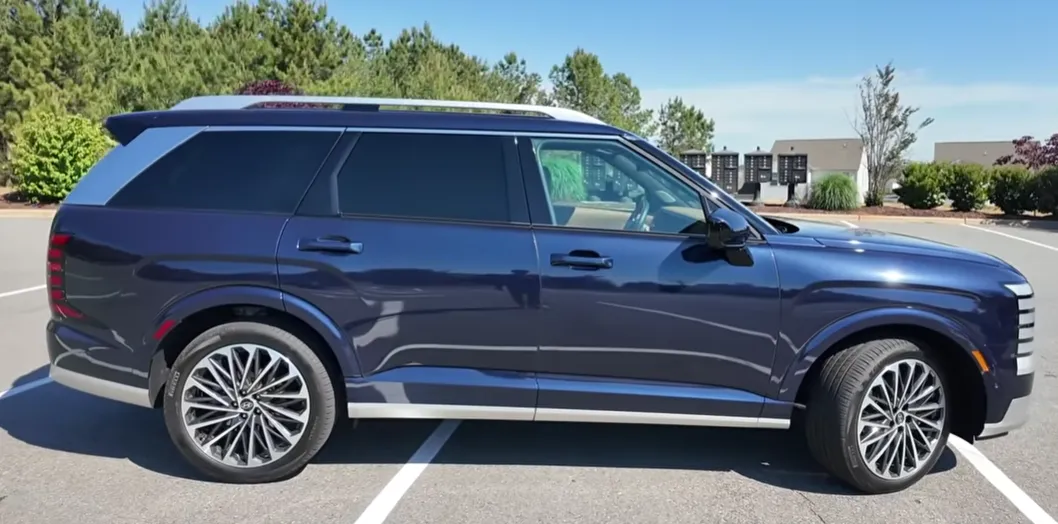
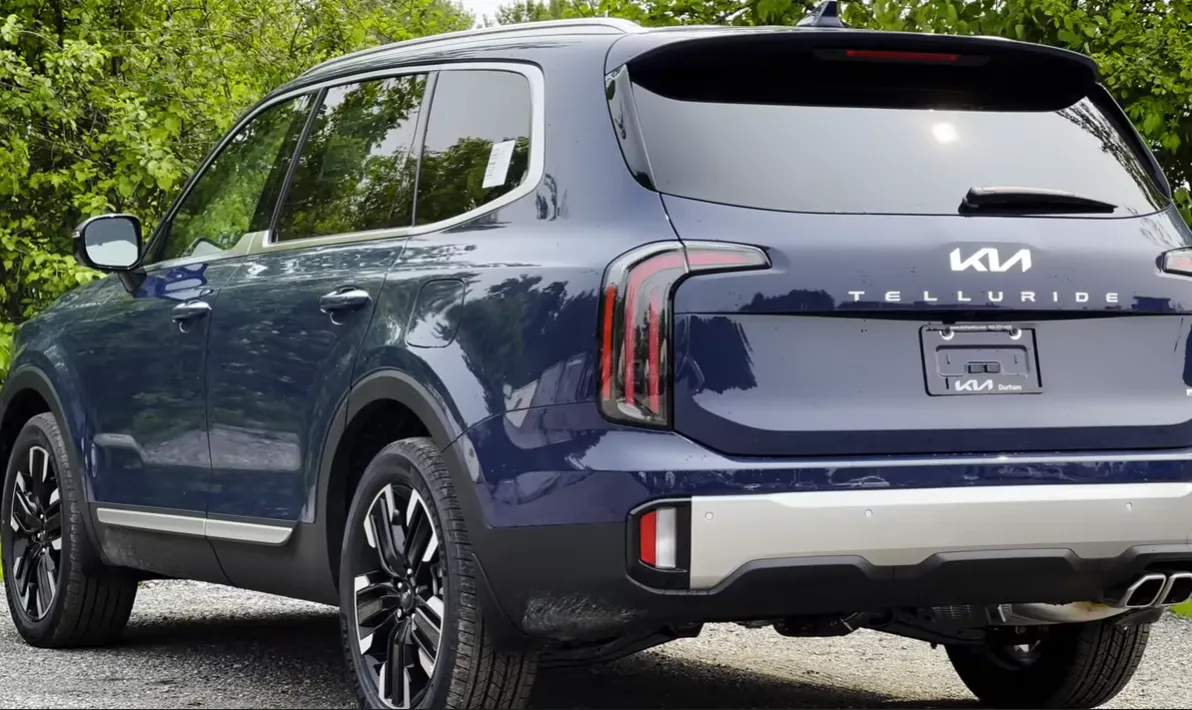
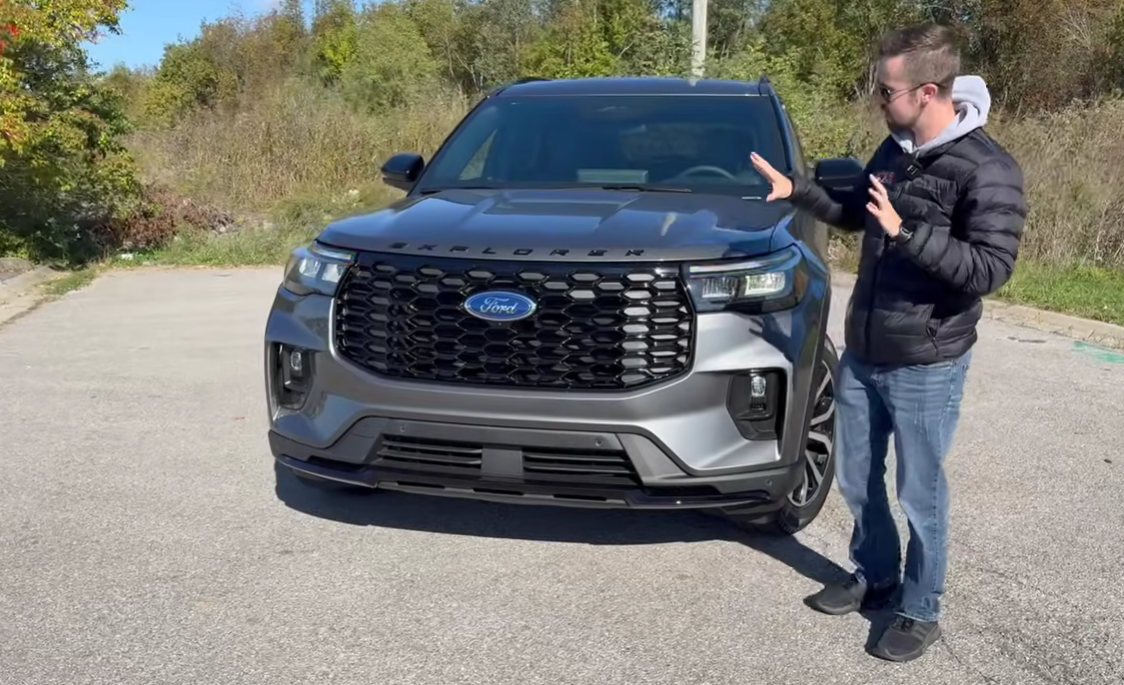
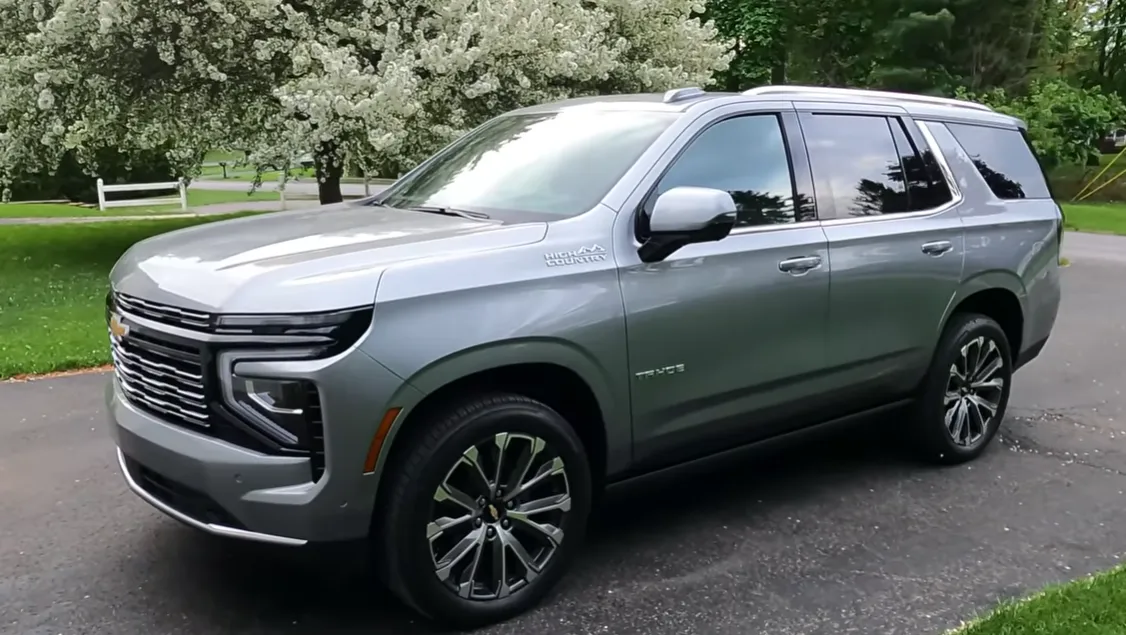
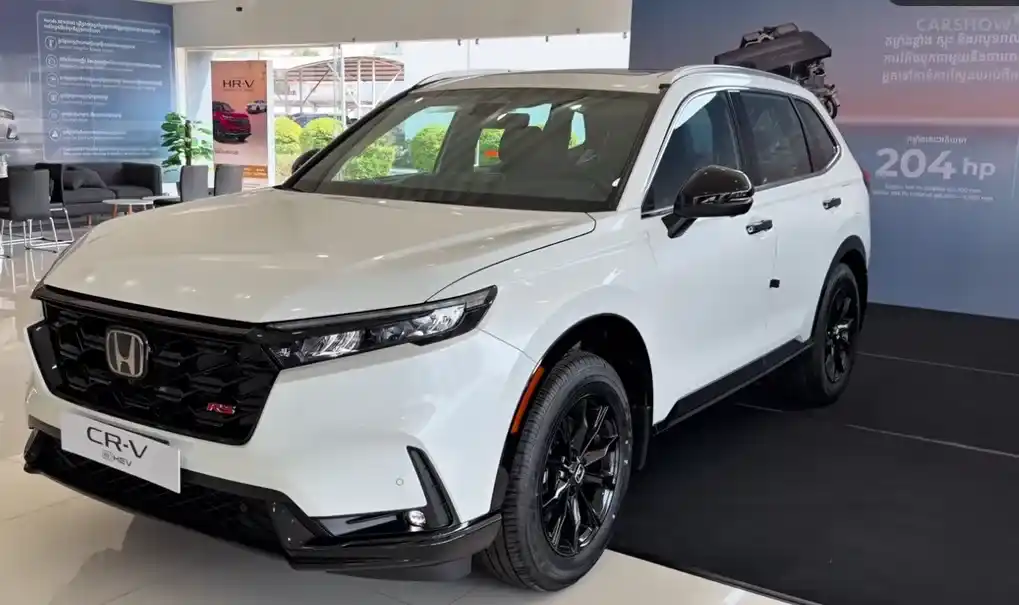
Both feel genuinely premium in their upper trims. The Grand Cherokee’s Summit gets a McIntosh audio system that’s legitimately impressive if you care about sound. The Explorer Platinum has its own strong argument. On base and mid trims both are good, maybe the Explorer is slightly more cohesive.
Cargo space behind the rear seat. Explorer wins.
The Explorer’s rear cargo area is more practical for everyday family use. The Grand Cherokee’s curved exterior styling eats into usable cargo volume in ways that show up on grocery runs and road trip packing.
Fuel economy. Closer than expected.
The new Grand Cherokee 2.0L turbo gets 19 city and 26 highway per EPA estimates. The Explorer base 2.3L gets 21 city and 28 highway. The Explorer is slightly more efficient. Not dramatically. But real.
| Feature | Grand Cherokee Limited | Ford Explorer Limited |
|---|---|---|
| Starting Price | ~$55,000 | ~$50,000 |
| Engine | 2.0L Turbo 324hp | 2.3L Turbo 300hp |
| Towing | 6,200 lbs | 5,600 lbs |
| Off-Road | Excellent | Good |
| Cargo (rear up) | 37.7 cu ft | 18.2 cu ft |
| Fuel Economy | 19/26 mpg | 21/28 mpg |
Per manufacturer specs and EPA estimates.
Verdict: Grand Cherokee for towing and off-road. Explorer for fuel economy and cargo. If you never go off-road and need cargo space, the Explorer makes more sense at a lower price. If you want more capability and don’t mind the fuel difference, the Grand Cherokee earns it.
Grand Cherokee vs Kia Telluride
This comparison is trickier because they compete in the same price bracket but serve genuinely different buyers.
The Telluride is a family SUV that happens to be excellent. The Grand Cherokee is an off-road capable premium SUV that happens to work for families. Those aren’t the same thing.
Value. Telluride wins and it’s not particularly close.
The Telluride SX with most features lands around $46,000. The Grand Cherokee Limited with comparable features pushes toward $55,000. That $9,000 gap is real and goes toward capability most Telluride buyers will never use.
Interior quality at comparable prices. Push.
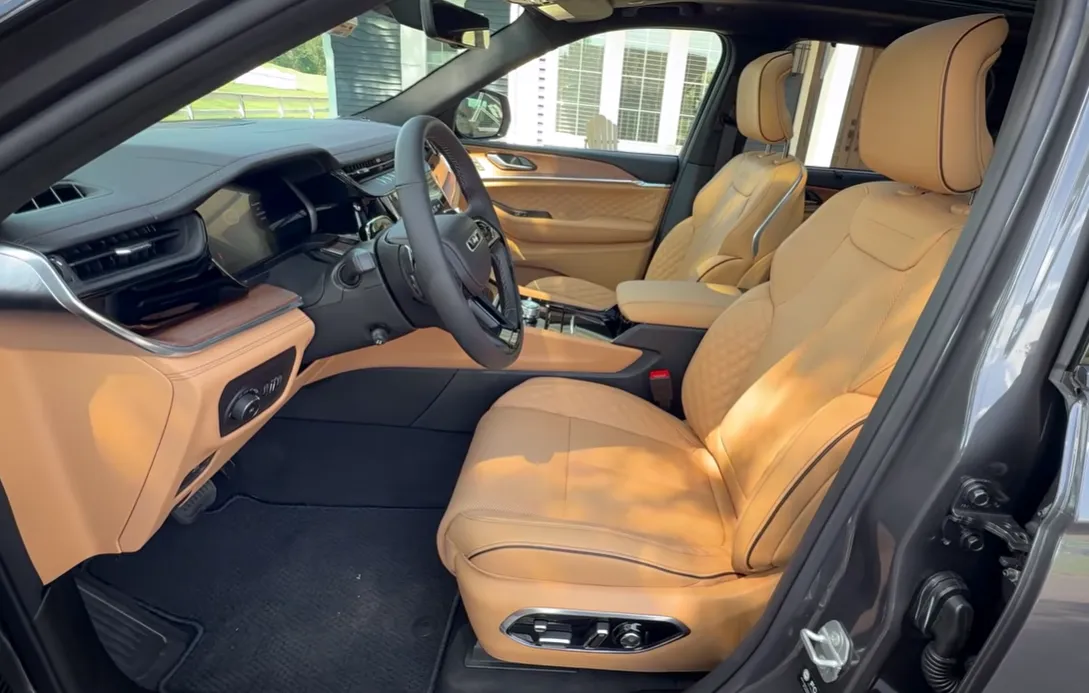
Both are very good. The Grand Cherokee feels slightly more dramatic inside. More textured surfaces. More visual interest. The Telluride feels more organized and easier to live with. Comes down to preference.
Third row. Telluride wins.
The two-row Grand Cherokee doesn’t have a third row. The Grand Cherokee L does but it’s a bigger vehicle with different pricing. The Telluride seats seven in a package that’s more manageable in daily driving.
Reliability. Telluride wins clearly.
Consumer Reports and KBB have consistently rated the Telluride above average for reliability. The Grand Cherokee’s reliability history is more mixed. Stellantis quality control has improved but the Telluride’s track record is simply stronger.
Off-road. Grand Cherokee by a country mile.
The Telluride is fine on gravel. The Grand Cherokee is built for actual off-road use. If you take your SUV anywhere unpaved, there’s no comparison.
| Feature | Grand Cherokee Altitude | Kia Telluride EX |
|---|---|---|
| Starting Price | ~$46,550 | ~$43,000 |
| Third Row | No | Yes |
| Off-Road | Excellent | Basic |
| Fuel Economy | 19/26 mpg | 20/26 mpg |
| Reliability | Average | Excellent |
| Towing | 6,200 lbs | 5,000 lbs |
Verdict: Family buyers who don’t go off-road should seriously question whether the Grand Cherokee price premium over the Telluride is justified. Off-road buyers shouldn’t consider the Telluride at all.
Grand Cherokee vs Toyota 4Runner
Two trucks with completely different personalities.
The 4Runner is an old-school body-on-frame truck that Toyota barely updates and refuses to retire. Buyers love it specifically because it doesn’t change. The Grand Cherokee is a modern crossover-based SUV with luxury pretensions.
Off-road. Push.
Both are seriously capable. The 4Runner has a stronger reputation among actual off-road enthusiasts for durability over 200,000 hard miles. The Grand Cherokee has more sophisticated technology. Both go places most SUVs won’t.
On-road comfort. Grand Cherokee by a lot.
The 4Runner rides like what it is. A body-on-frame truck chassis. Every road imperfection communicates itself to the cabin. The Grand Cherokee is dramatically more comfortable on pavement. Highways, commutes, family road trips. No contest.
Interior. Grand Cherokee by even more.
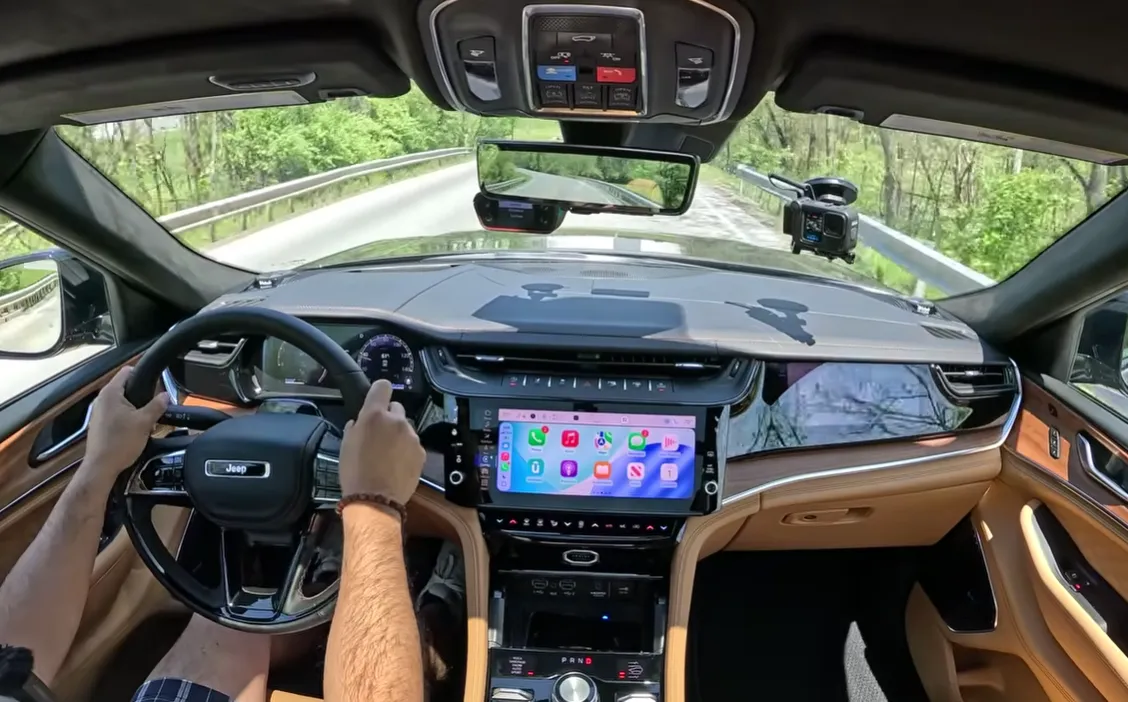
The 4Runner’s interior is functional and behind the times. The Grand Cherokee’s interior is genuinely nice. Premium materials, a large touchscreen, and design that makes you feel like you spent more than you did.
Reliability. 4Runner.
Not even a debate. The 4Runner’s long-term reliability is among the best of any vehicle sold in America. The Grand Cherokee does not have that reputation.
Price. Similar.
Both vehicles in comparable off-road trims land in the same ballpark. You’re choosing between old-school proven durability or modern comfort with more technology.
What Three Weeks in the New Engine Actually Felt Like
The first morning I started it I heard something I wasn’t expecting.
A growl.
From a 2.0-liter four-cylinder. A genuine low raspy growl that sounds like it belongs in something much bigger. The sound is partially engineered and amplified through the speakers per multiple reviews. I knew that going in. Didn’t stop me from smiling every time I started it.
The power is real though. The engine pulls hard. Genuinely hard. Merging onto the highway from a full stop the 324 horsepower and 332 pound-feet of torque show up immediately and without hesitation.
The transmission does not keep up.
That’s the honest problem. An 8-speed automatic that’s hesitant to kick down when you ask for more power in normal driving. At light throttle around town it’s smooth. When you press the accelerator firmly through the middle of the range it takes a half-second too long to respond. Not dangerous. Not terrible. Just noticeable every time it happens.
Cars.com flagged this in their review. I felt it daily.
By the second week I had learned to either press the accelerator firmly enough to trigger an immediate kickdown, or stay light enough to let the transmission do its thing smoothly. The middle zone is where it stumbles.
The air suspension on the Limited Reserve I tested. Remarkable.
On a rutted gravel road I took deliberately on week two, the Grand Cherokee floated over things that would have rattled other vehicles. Highway driving is hushed. The cabin insulation is better than I expected for a vehicle with Jeep’s reputation.
I spent about two hours on a winding backroad one afternoon. Just to see. The steering has appropriate weight. Not sporty. Not vague. A firm, accurate feel that communicates what the front tires are doing without demanding constant attention. For a two-ton SUV it handles with genuine confidence.
The seat. Held me well through all of it. Supportive in the right places. By the end of that two-hour drive I reached our destination without shifting around once.
The Off-Road Question
Most Grand Cherokee buyers don’t take them seriously off-road.
Worth saying out loud.
The Trailhawk trim with the PHEV powertrain is built for real terrain. Skid plates, red recovery hooks, Quadra-Lift air suspension that raises the vehicle for clearance. If you actually trail run, the Trailhawk is one of the most capable SUVs on sale at any price.
But most buyers in the Laredo, Altitude, or Limited will see dirt roads occasionally and parking lots always.
The 4WD system still gives non-Trailhawk Grand Cherokees meaningful wet-road confidence and occasional unpaved trail capability. Just don’t buy a Limited and pretend you’re getting a Trailhawk.
Know which buyer you are before you choose a trim.
The Honest Problems
The transmission hesitation is real and it affects daily driving more than it should at this price. Pressing the accelerator firmly in the middle range triggers a delay that became my most consistent complaint over three weeks. Jeep should have paired the new engine with a more responsive calibration.
Reliability history gives me pause. Stellantis has improved but Consumer Reports still rates the Grand Cherokee below the Telluride, Palisade, and especially the Toyota competition. Buying a Grand Cherokee requires accepting some additional uncertainty about long-term dependability compared to Japanese alternatives.
The price premium over the Telluride is hard to justify for buyers who don’t use the off-road capability. A $10,000 to $12,000 gap on comparable trims is a lot of money to pay for styling, the Jeep badge, and capability you might use twice a year.
How Reliable Is the 2026 Grand Cherokee?
The answer is: better than it was, but not there yet.
The 2026 brings updated technology and a new engine that’s too fresh to have long-term data. The Pentastar V6 in the Laredo trims has years of owner data behind it and performs decently. The new Hurricane 2.0L is impressive on paper and early reviews are positive, but real-world long-term reliability over 100,000 miles is still to be written.
Common complaints across recent Grand Cherokee generations include infotainment glitches, electrical gremlins on early production units, and transmission issues on some examples. Check the NHTSA database for any active recalls on your specific VIN before taking delivery.
The powertrain warranty covers 5 years or 60,000 miles. Shorter than what Kia and Hyundai offer. Worth factoring into the total cost of ownership picture.
Where I Landed
The Grand Cherokee 2026 is the best version of itself it has ever been in terms of power and technology. The Hurricane engine is genuinely impressive when the transmission cooperates. The interior is premium. The off-road capability remains the benchmark in its class.
It is not the most reliable choice. Not the best value choice. Not the most practical family choice.
It is the most capable choice for buyers who actually want an SUV that can go places other SUVs won’t, wrapped in an interior that feels like you spent real money, with a new engine that sounds like something out of a muscle car.
If that’s what you’re shopping for, the 2026 Grand Cherokee delivers it in a way nothing else quite does.
If you’re shopping for the best family SUV under $50,000 for school runs and the occasional camping trip? The Telluride and Palisade make stronger arguments and leave money in your pocket.
Both answers are honest. Know which buyer you are.
Frequently Asked Questions
Why did Jeep switch to a four-cylinder in the Grand Cherokee? The new Hurricane 2.0-liter turbocharged four-cylinder produces 324 horsepower and 332 pound-feet of torque, exceeding what the old 3.6-liter V6 delivered. The change improves power density and allows Jeep to meet tightening emissions standards while actually increasing performance. It’s only in mid-to-upper trims — the Laredo still uses the V6.
How much can the 2026 Jeep Grand Cherokee tow? Up to 6,200 pounds when properly equipped. That covers most boats, small campers, and utility trailers that family buyers actually use. Per Jeep’s published specs.
Is the 2026 Grand Cherokee good for families? Yes, with caveats. The interior is premium and comfortable. The two-row version has no third row — buyers needing three rows should look at the Grand Cherokee L or a different vehicle entirely. Cargo space is decent but the curved roofline limits it compared to boxier competitors.
How does the 2026 Grand Cherokee compare to the Kia Telluride? The Telluride offers better reliability, a third-row option, more cargo space, and significantly better value on comparable trims. The Grand Cherokee offers superior off-road capability, a more dramatic interior, and more towing capacity. For pure family duty, Telluride. For buyers who go off-road, Grand Cherokee.
What is the difference between the Grand Cherokee and Grand Cherokee L? The standard Grand Cherokee is a two-row, five-passenger SUV. The Grand Cherokee L is a longer version with a third row seating up to seven passengers. Both share the same engines and most features but differ significantly in size and passenger capacity.
Is the new Hurricane engine reliable? It’s too early to have comprehensive long-term data. Early reviews are positive about power delivery. Transmission calibration has drawn some criticism. Long-term reliability over 100,000 miles is still being established. The V6 in the Laredo has a longer, more proven track record.
What trim of the 2026 Grand Cherokee is the best value? The Altitude trim around $46,550 hits a reasonable balance between features and price for buyers who want the Grand Cherokee experience without the Summit price. The Limited Reserve makes sense for buyers who spend significant time in the cabin and will use the premium features daily.