Before I leased the K5 I heard all of it. “It’s a Kia.” “Kia used to be junk.” “It looks great but it drives like a rental.” “The base engine is fine.”
Three weeks later I had a different set of opinions. Not all of those myths are wrong. Some of them are. And a couple of things I expected to be fine turned out to be the actual problems. So let me clear the whole thing up.
What you should know before reading further:
1. The K5 starts at $27,490 and tops out around $36,635 on the EX. The GT with the turbo engine sits around $35,000. Per Kia’s published pricing.
2. Two engines. A 2.5-liter four-cylinder making 191 horsepower in most trims, and a 290-horsepower turbocharged version in the GT. Not the same car at all.
3. All-wheel drive is only available on the GT-Line trim. Not the GT. That’s a confusing naming situation that trips a lot of buyers up.
4. No hybrid. Unlike the related Hyundai Sonata, the K5 doesn’t offer a hybrid powertrain in 2026.
5. 7-year, 70,000-mile powertrain warranty. One of the longest in any class.
Myth One: A Kia Can’t Compete With a Camry or Accord
This one used to be true. It isn’t anymore.
The 2026 K5 ranks at or near the top of the midsize sedan segment in standard technology. A 12.3-inch touchscreen. Wireless CarPlay. Wireless Android Auto. Blind spot monitoring. Adaptive cruise control. Automatic emergency braking with pedestrian detection. Remote start. A hands-free smart trunk. All of this. Standard. On the base LXS trim.
The Camry doesn’t give you all that standard. The Accord makes you pay for some of it. The K5 does. And the exterior styling. The K5 looks like it costs more than it does in a way that very few Korean sedans have managed before it. Sharp LED lines. A fastback roofline that turns heads in a parking lot. I parked it next to a Camry one afternoon and a stranger asked me what it was.
Nobody asks what a Camry is.
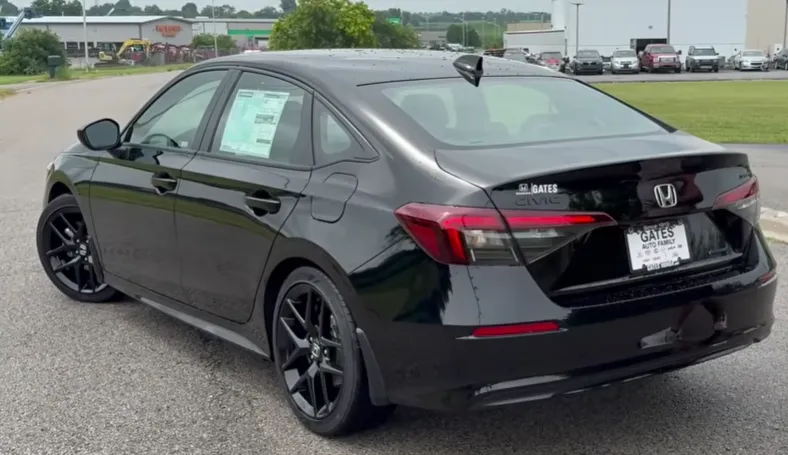
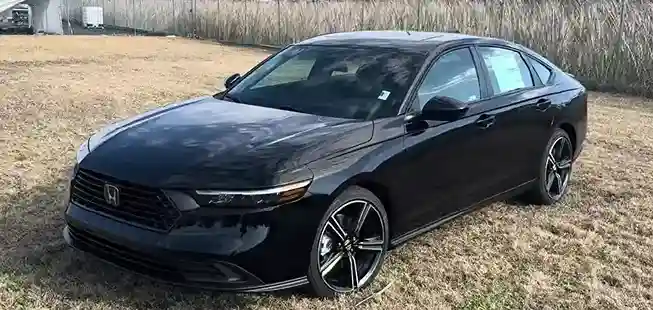
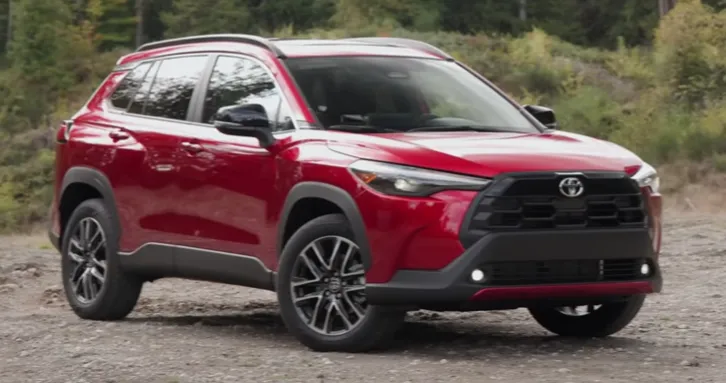

That said. The Camry still beats the K5 in one area that matters to a lot of buyers. Reliability history. Long-term ownership data on the K5 is positive but shorter than decades of Camry data. If you’re keeping a car for 12 years and never want to think about it, the Camry’s track record is still stronger. Per Consumer Reports reliability data.
But as a value package right now? The K5 gives you more features for less money than either rival.
Myth Two: The Base Engine Is Fine for Most People
This is the one that frustrates me most. Because it’s repeated everywhere as fact and it’s not quite right.
The 2.5-liter non-turbo engine makes 191 horsepower. Edmunds tested 0-60 in 8.5 seconds. Consumer Reports got 8.6 seconds.
That’s slow. For a midsize sedan in 2026, that’s behind most of its class in acceleration.
Around town you don’t notice much. Traffic lights, neighborhood streets, parking lots. Fine. Smooth. No drama.
The highway tells a different story.
I merged onto an interstate during the first week. Full lane. Needed to get to 70 quickly. The engine gave me what it had, which wasn’t enough to feel confident. I got there. But it took a beat longer than I wanted and I was aware of the engine working in a way I shouldn’t be at that speed.
The GT’s 2.5-liter turbo makes 290 horsepower paired with a dual-clutch 8-speed. Completely different experience. Pulls fast and hard from low speeds. The dual-clutch can feel slightly jerky at very slow speeds in traffic. Worth knowing. But on the highway it’s effortless in a way the base engine isn’t.
If you do significant highway driving or frequently need to merge onto busy interstates, the GT earns its premium. If you’re mostly in the city and suburbs, the base engine works.
Just don’t let anyone tell you they’re basically the same.
Myth Three: All-Wheel Drive Means the GT Trim
Nope.
This confuses almost everyone who walks into a Kia dealer without doing research first.
The only way to get AWD in the K5 is on the GT-Line trim. Not the GT, which has the turbo engine. Not the EX. The GT-Line.
The GT trim with the 290-horsepower turbo is front-wheel drive only.
So you’re choosing between power and grip. AWD without the turbo, or turbo without AWD.
That’s a real choice that affects how the car performs in winter weather. A 290-horsepower front-wheel-drive sedan in snow and ice is going to spin the front wheels in ways that a GT-Line AWD with 191 horsepower won’t.
If you live somewhere with real winters, the GT-Line AWD is the more sensible daily choice even though it gives up the turbo engine. If you’re in a warmer climate or mostly driving on dry roads, the GT with the turbo is the better all-around experience.
Neither answer is wrong. But walking in without knowing this distinction leads to real disappointment.
Myth Four: The Interior Feels Cheap
Three weeks of touching, using, and sitting in the K5 and I can say with confidence: the interior does not feel cheap.
At all.
The steering wheel has a good weight and texture. The infotainment screen responds to taps fast enough that I stopped noticing the response time, which is the best review any touchscreen can get. The climate controls are laid out logically with physical buttons for the things you adjust most often.
Seat comfort in the front rows was strong. Supportive without being firm. On a 90-minute drive during the second week, I arrived without my lower back asking any questions. That matters more than any spec number.
The GT-Line trim adds a flat-bottom sport steering wheel and leatherette seating surfaces. The EX gets ventilated front seats and heated rear seats. These aren’t luxury materials. But they feel deliberate rather than assembled quickly.
Two things I actually noticed about the interior that reviewers tend to gloss over.
The infotainment screen brightness. At midday with sun coming directly at the screen, it stayed readable without squinting. Some car screens wash out. This one didn’t.
And the cup holders. Deep, well-positioned, rubber-lined. My 30-ounce bottle fit without rattling. Sounds minor. After a week of reaching for your drink without thinking about it, you realize cup holders are daily quality of life more than most things on a spec sheet.
Myth Five: The Rear Seat Works Fine for Families
This one I tested personally and came away with a more mixed view than I expected.
The rear seat space itself is decent. Legroom is competitive for the class. Adults fit back there on shorter trips without complaining.
But two specific things gave me pause.
The sloping roofline that makes the K5 look sharp from outside creates a lower entry point into the rear seat than you’d expect. Taller adults bump their head if they aren’t careful getting in. My brother is 6’1″ and on his first entry into the back seat he caught the roofline. Second time he ducked early. By the third time it was habit. Fine. But noticeable.
The LATCH anchors for car seats. Per Car Connection’s review, they’re deeply buried and difficult to access for quick, secure installations. I tried installing a forward-facing seat during the first week. It took longer than it should have. The anchors are in there, but reaching them required more arm maneuvering than a Honda Civic or Toyota Camry. For parents installing and removing car seats regularly, this adds up.
There are also no rear seat-belt pretensioners, which some rivals at this price have started including. Per Car Connection’s 2026 test. Not a dealbreaker. But worth knowing before you decide this is a family car.
What Three Weeks Actually Felt Like
The first full week I drove it mostly alone. Commute work. Errands. The usual.
What I noticed was how quiet the cabin is at highway speed. Wind noise at 70 mph was low enough that I had a full phone call through the speakers without asking the other person to repeat themselves once. That might sound like a low bar. It isn’t. A lot of sedans in this price range have more wind intrusion than this.
The ride quality on the GT-Line with 18-inch wheels is firm. Not harsh. But firm enough that rough city patches send a thump through the cabin. Smooth highway roads it glides. Potholed urban roads it communicates. If you want something softer, the 16-inch wheels on the LXS ride more gently. Trade-off for the sportier look.
One moment from the second week stood out. I was turning around in a tight parking area. Lock to lock the steering wheel turned with an easy, light feel. Almost too light. Consumer Reports flagged the same thing. Vague. Not enough feedback through the wheel. It’s fine at highway speed. At parking lot speeds and tighter maneuvers it feels slightly disconnected, like you’re steering through a long straw rather than feeling the front tires directly.
The smart trunk. Stood behind the car with the key in my pocket and it popped open automatically after a few seconds. Used it eight times during the lease while carrying bags. Worked every time. One of those features that sounds silly until it saves you on a Tuesday afternoon with both arms full of groceries and a child hanging off one of them.
The Real Problems With This Car
No announcement. Just the actual issues.
The base engine is slow for highway driving and buyers who split most of their time between city and interstate will feel the gap. The GT fixes this completely, but the price jump to get the turbo is real.
The LATCH anchor accessibility is a specific but recurring frustration for parents who install car seats regularly. Kia should fix this on the next refresh. Until they do, families who move car seats between vehicles frequently will feel it every time.
No hybrid option in 2026 is a genuine gap against the Camry, which offers a hybrid that gets around 48 mpg combined. Per EPA estimates. For buyers who care seriously about fuel costs over five-plus years of ownership, that missing option pushes the K5 down the list compared to Toyota.
Is the K5 Reliable?
Better than it used to be. Much better.
Consumer Reports rated the 2025 K5 as more reliable than most cars in its model year. Per Consumer Reports data. KBB owner reviews show 77% of owners recommending it, with comfort and styling scoring highest and performance scoring lowest. That pattern makes sense based on everything above.
There are two NHTSA recalls on the 2025 model. Per NHTSA recall database. Check your specific VIN before taking delivery. Dealers clear recalls at no charge.
Common owner complaints beyond the base engine slowness: some transmission smoothness issues at low speeds with the dual-clutch in the GT, occasional infotainment glitches, and a couple of owners flagging electrical gremlins early in ownership. Nothing systemic. But real enough to mention.
The 7-year, 70,000-mile powertrain warranty covers the expensive parts. That’s Kia’s biggest trust-builder and it works.
My Take
Here’s where I land.
The K5 is the most style for the money in the midsize sedan class right now. Nothing else at this price looks this good or comes with this many standard features. And the GT trim with the turbo engine is a properly quick front-wheel-drive sedan that makes the daily drive feel like something worth getting in.
But it’s fourth in Edmunds’ midsize sedan rankings out of five. Per Edmunds full ratings. That ranking matters. The Camry and Accord both beat it on reliability track record and refinement at similar money once you add the features. The Sonata beats it on value and now offers a hybrid that the K5 doesn’t.
So who is the K5 for?
Someone who wants the sharpest looking sedan in this class, prioritizes standard tech over long-term reliability history, and doesn’t need a hybrid option. Someone who wants to drive something that turns heads in the parking lot of the grocery store and gives them 77% owner satisfaction without paying Camry money.
That’s a real buyer. There are a lot of them. The K5 serves them well.
GT trim if you can stretch the budget. GT-Line AWD if you’re in a winter climate. EX if interior comfort is the priority.
Skip the LXS unless the budget genuinely requires it.
Frequently Asked Questions
What is the difference between the K5 GT-Line and the K5 GT? GT-Line is an appearance package trim available with AWD. It uses the 191-horsepower base engine. The GT is a separate performance trim with the 290-horsepower turbocharged engine and an eight-speed dual-clutch transmission, but it only comes in front-wheel drive. Confusing naming, real difference.
Is the 2026 Kia K5 a good car for families? Decent but with caveats. Rear seat space is adequate for adults on shorter trips. LATCH anchors for car seats are buried deep and harder to access than most competitors. The sloping roofline can catch tall adults getting into the back seat. Good for families who don’t install and remove car seats constantly.
How fast is the 2026 Kia K5? The base 191-horsepower engine runs 0-60 in about 8.5 to 8.6 seconds per independent testing. The GT’s 290-horsepower turbo is considerably quicker. If highway performance matters to you, the base engine will disappoint.
Does the 2026 Kia K5 have AWD? Only on the GT-Line trim. The GT trim with the turbocharged engine is front-wheel drive only. You cannot get both AWD and the turbo engine together on the K5.
How is the 2026 Kia K5 on fuel economy? The base engine gets around 25 city and 36 highway on FWD models. Per EPA estimates. Real-world owner data shows some beating those numbers on highway-heavy driving. No hybrid option is available, which puts it at a disadvantage against the Toyota Camry hybrid for buyers focused on long-term fuel costs.
What is the warranty on the 2026 Kia K5? 7 years or 70,000 miles on the powertrain. 5 years or 60,000 miles bumper-to-bumper. 5 years of roadside assistance. Per Kia’s warranty terms. One of the strongest packages in any class.
How does the K5 compare to the Honda Accord? The Accord has more interior space, a better driving feel, and stronger long-term reliability data. The K5 wins on standard features at a lower starting price and exterior styling. At comparable trim levels the Accord costs more but delivers a more refined overall experience. The K5 is better value on paper. The Accord is better execution.