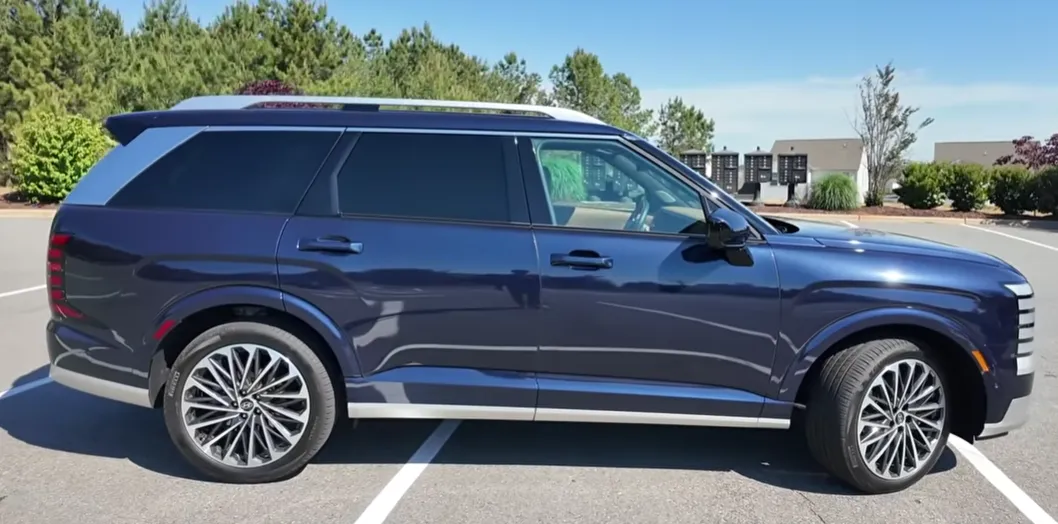
The 2026 Palisade is a completely different vehicle from the one Hyundai was selling two years ago, right?.
That was Not a refresh and Not a few extra features and a slightly updated grille. A full second-generation redesign. New platform, bigger body, new engines, and for the first time ever a hybrid powertrain that changes the whole conversation about what this SUV actually is.
Which means the buying decision just got complicated. Gas or hybrid? Which trim? FWD or AWD? SEL or go all the way to Calligraphy and wince at the price?
I leased both versions over three weeks and the answer is not the same for everyone. So here’s a proper breakdown by buyer type.
Before You Choose Anything, Know This
The base gas Palisade uses a new 3.5-liter V6 making around 287 horsepower. Sounds like an upgrade over the old model. It isn’t. Not really.
Hyundai added 250 to 360 pounds to the new generation depending on trim. All that extra size and structure. The result is a 0-60 time of 8.7 seconds per Edmunds testing. That’s a full second slower than the outgoing model. Noticeably slower.
The hybrid version uses a turbocharged 2.5-liter four-cylinder paired with dual electric motors. Combined output hits 334 horsepower. Zero to sixty somewhere in the low sixes.
That’s the gap. Same body. Same interior. Same everything from the outside. Completely different experience once you press the accelerator.
Keep that in your head as you read the rest of this.
If You Drive Mostly City and Suburbs
Get the Hybrid. SEL or Limited trim.
The hybrid’s electric motors give you instant pull from a stop. In city driving, traffic lights, school zones, parking lots, this is where gas engines feel sluggish and electric torque feels effortless.
Fuel economy on the hybrid lands around 31 to 34 mpg combined depending on trim and whether you opt for AWD. Per the EPA. Real-world owners are reporting similar numbers in mixed driving.
The gas V6 does 19 city, 25 highway. At today’s fuel prices over 15,000 annual miles that gap starts adding up fast.
The hybrid SEL starts at $44,160 before destination. That’s the entry point and it’s already well-equipped. Wireless CarPlay, tri-zone climate, Highway Driving Assist, heated seats. You’re not being punished for buying the base hybrid trim.
If You Have a Long Highway Commute
Gas V6 is fine here. SEL or SEL Premium.
Highway efficiency on the gas model is a respectable 25 mpg. The hybrid advantage shrinks on the highway because the electric motors contribute less at sustained speeds.
Plus the gas model starts at $39,435. That’s roughly $4,700 to $6,000 less than the comparable hybrid trim. If you finance over 60 months that’s a real monthly difference.
The V6’s slower acceleration bothers you less on the highway too. Merging onto a freeway from a 45 mph on-ramp is fine. What feels slow is pulling from a dead stop in traffic when three lanes of cars are already moving. Highway buyers: save money, get the gas version, spend the difference elsewhere.
If You Regularly Carry Seven or Eight People
This is where the Palisade earns its price no matter which engine you pick. The third row. Let’s talk about it honestly.
The 2026 generation is bigger than before. More interior volume. The third row benefits from this. Two adults back there on a 90-minute trip is workable. My brother sat back there on a long drive and called it tight but survivable. His words exactly.
For kids under twelve back there, it’s genuinely comfortable. The step to get in is manageable once you learn the second-row tilt-and-slide motion.
The Calligraphy trim adds power-recline heated third-row seats. If you put adults back there regularly on road trips, this trim makes that experience dramatically better. Dramatically. It’s the difference between passengers tolerating the third row and passengers actually being comfortable.
One more thing worth knowing. The Palisade now has an intercom system so the driver can talk to third-row passengers without shouting. Sounds gimmicky. After one road trip with kids that far back, you understand immediately why it exists.
If Fuel Efficiency Is the Deciding Factor
Hybrid, full stop. No talking
The math is not close. Gas V6: roughly 21 mpg combined in real mixed driving. Hybrid: roughly 31 to 33 mpg combined in real mixed driving.
At 15,000 annual miles and current fuel prices, that’s somewhere around $800 to $1,100 per year difference in fuel costs. Over five years of ownership that’s $4,000 to $5,500.
The hybrid costs more upfront. The gap closes over time through fuel savings. And the hybrid drives better in daily situations. The decision basically makes itself.
The hybrid also comes with the same 10-year, 100,000-mile powertrain and battery warranty as the gas version. Per Hyundai’s warranty terms. So you’re not trading long-term protection for the efficiency gains.
If You Want Near-Luxury Without the Luxury Badge
The Calligraphy trim on both gas and hybrid is where the Palisade stops competing with family haulers and starts making luxury SUVs nervous.
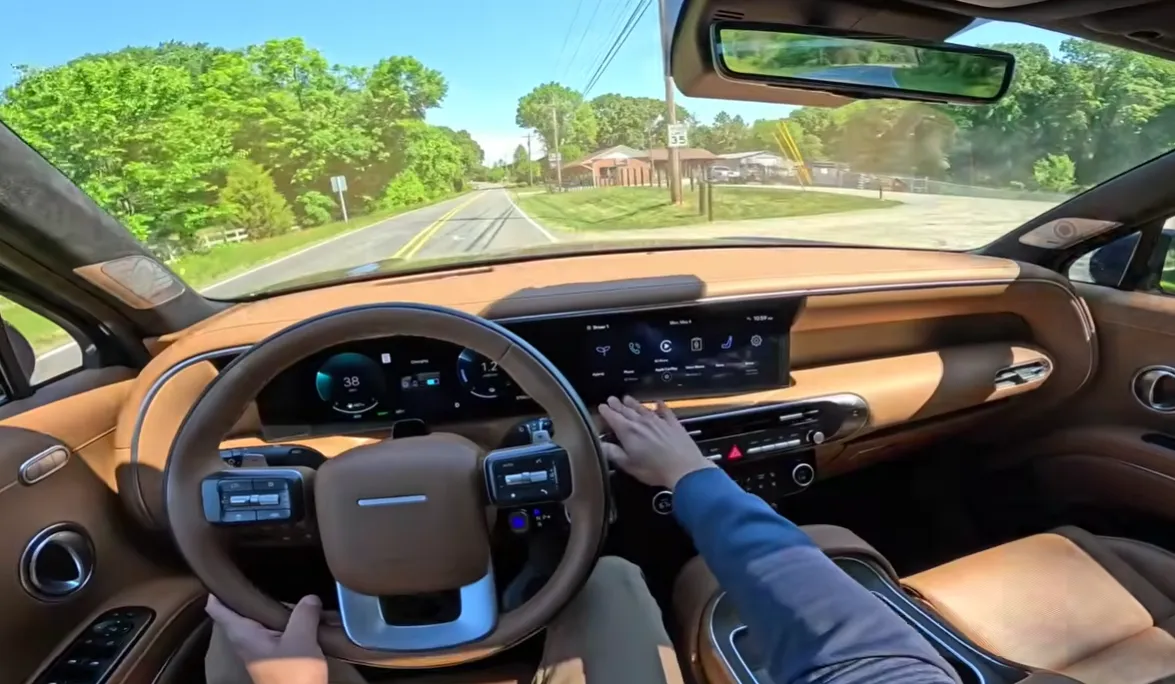
Nappa leather upholstery. Massaging driver’s seat with thigh extension. Ventilated front and second-row seats. A built-in dashcam front and rear. A germ-destroying UV sterilization bin in the center console. Power-folding second and third row seats. Head-up display. 14-speaker Bose audio.
I sat in the Calligraphy and spent about five minutes just touching different surfaces to see if anything felt cheap.
Nothing did. If someone told me this interior was in an Acura MDX I would not have questioned it. The fit and finish on the Calligraphy is that strong.
The Hybrid Calligraphy AWD comes in around $60,000 fully loaded. That’s real money. But compare it to what you’d pay for an Acura MDX or a Lincoln Aviator at that price and the Palisade gives you more space, a stronger warranty, and comparable interior quality for the same or less.
Not for everyone. But for buyers who want the luxury feel without the premium brand markup, this trim is a legitimate option.
The Problems Worth Knowing Before You Sign
Three recalls are active on the 2026 Palisade as of this writing. Per the NHTSA recall database. Before taking delivery of any 2026 Palisade, have the dealer check your specific VIN and confirm all recalls are addressed. This is free and required by law.
The gas V6 is slower than the old model. Not subtle. Buyers coming from a 2023 or 2024 Palisade expecting the same performance will feel the difference the first time they merge onto a highway with a full load.
And the Palisade’s size, while now being a genuine advantage for interior space, also means it drives big. Parking in tight urban garages takes more awareness than a smaller crossover. If you regularly navigate cramped city parking, take it for a test drive in conditions similar to your daily life before buying.
Quick Trim Experience:
SE ($39,435 gas / not available hybrid): Base. Fine. Not special. Skip it unless budget is the only factor.
SEL: Sweet spot for gas buyers. Wireless CarPlay, heated seats, blind spot monitoring, adaptive cruise. Covers everything most families actually need daily.
SEL Premium: Adds ventilated front seats, a panoramic sunroof, and Highway Driving Assist 2. Worth the jump if you spend time on the highway regularly.
Limited: Premium materials, a more upscale interior feel, hands-free liftgate. Mid-range luxury without the full Calligraphy price.
Calligraphy: All of it. Every feature. Only worth the premium if interior quality and passenger comfort in all three rows genuinely matters to you. And if you’re buying at this price, consider the hybrid version seriously.
Gas or Hybrid? Final Answer.
If you drive mostly city and suburbs and keep cars for five or more years: hybrid.
If you primarily drive highway miles and want to save money upfront: gas SEL or SEL Premium. If you want the best experience the Palisade has to offer regardless of cost: Hybrid Calligraphy AWD.
The 2026 Palisade is a better vehicle than the one it replaced in almost every way except straight-line performance on the gas version. The hybrid fixes that entirely. It’s a good problem to have when your main criticism of a family SUV is “the gas version could be faster.”
My Honest Opinion
I expected to like the Palisade going in. It had a strong reputation from the first generation and the reviews of the second gen were positive.
What I didn’t expect was the Calligraphy interior to genuinely stop me mid-thought.
I was checking the cargo area on the second day and reached back to close the hands-free liftgate. The liftgate moved slowly, silently, and closed with a weight that felt engineered rather than assembled. I stood in the driveway for a second just thinking about how much that one detail improved the whole feel of the vehicle.
Small things. The hybrid powertrain pull from a stop.
The way the seat holds you on long highway stretches without creating any lower back questions after an hour.
The third row that adults can survive and kids actually enjoy.
It’s not perfect. The recalls need addressing before you drive it off the lot. The gas version lost performance in the redesign and that’s a real criticism. At the top trims the price gets to a place where you’re making a serious financial commitment.
But as a package for a family that needs real three-row space and wants the interior to feel like it costs more than it does? Hard to find something better right now.
Frequently Asked Questions
Is the 2026 Palisade Hybrid worth the extra cost over the gas version? For most buyers who keep a car five or more years and do a lot of city and suburban driving, yes. The fuel savings over time offset a meaningful portion of the price difference. The driving experience in daily conditions is also better with the hybrid powertrain. For primarily highway drivers on a tight budget, the gas version makes more financial sense.
How many people fit in the 2026 Hyundai Palisade? Seven with captain’s chairs in the second row, or eight with the bench seat option. The third row fits two adults comfortably for shorter trips. For regular adult passengers on longer drives, the Calligraphy’s heated power-recline third-row seats make the experience noticeably better.
How much cargo space does the 2026 Palisade have? 19.1 cubic feet behind the third row, 46.3 cubic feet with the third row folded, 86.7 with both rear rows folded. Per Hyundai’s specs. The hands-free power liftgate comes standard on all trims.
What are the active recalls on the 2026 Palisade? Three recalls were active at time of publishing. Check the NHTSA website with your specific VIN before taking delivery. Dealers are required to fix all open recalls at no cost.
Is the 2026 Palisade reliable? The first-generation Palisade had a solid reliability record. The 2026 is a full redesign so long-term data is still building. JD Power’s 2025 IQS placed it third in the upper midsize SUV segment. Three active recalls on the new model suggest some early production issues. The 10-year powertrain warranty covers the biggest financial risks.
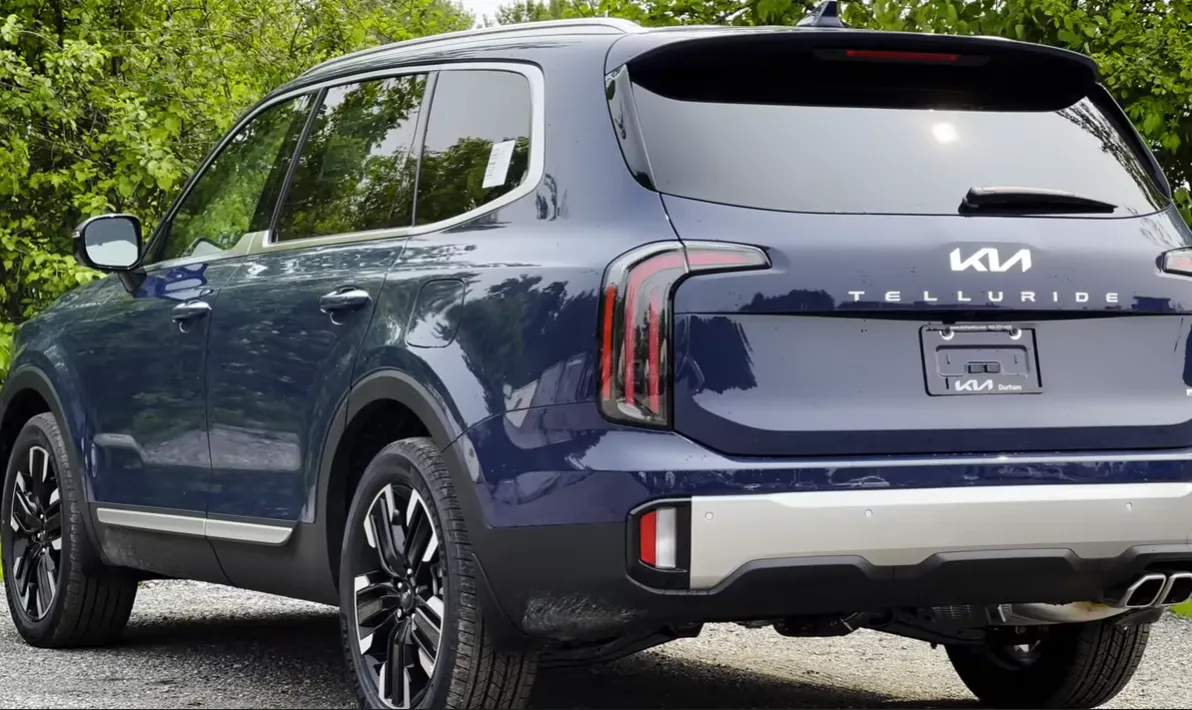
How does the Palisade compare to the Kia Telluride? They share the same parent company. The Telluride has sportier styling and a slightly more driver-focused feel. The Palisade leans more premium and family-focused with a notably more upscale interior on upper trims. Both are strong choices. The Palisade now has a hybrid option the Telluride does not have in 2026, which changes the comparison for fuel-conscious buyers.