It started with a comment from my wife. She walked past the Elantra sitting in our driveway on day one, glanced at it, and said “oh that’s cute.” Not “that looks great.” Not “nice car.” Just. Cute.
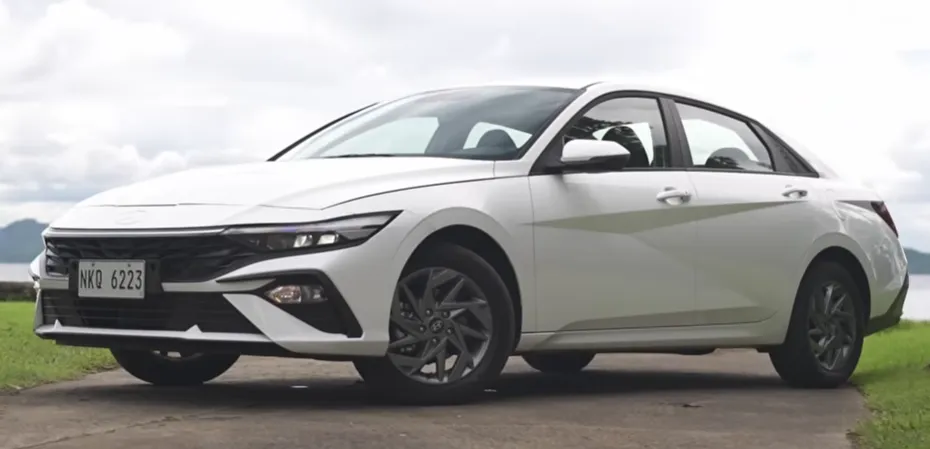
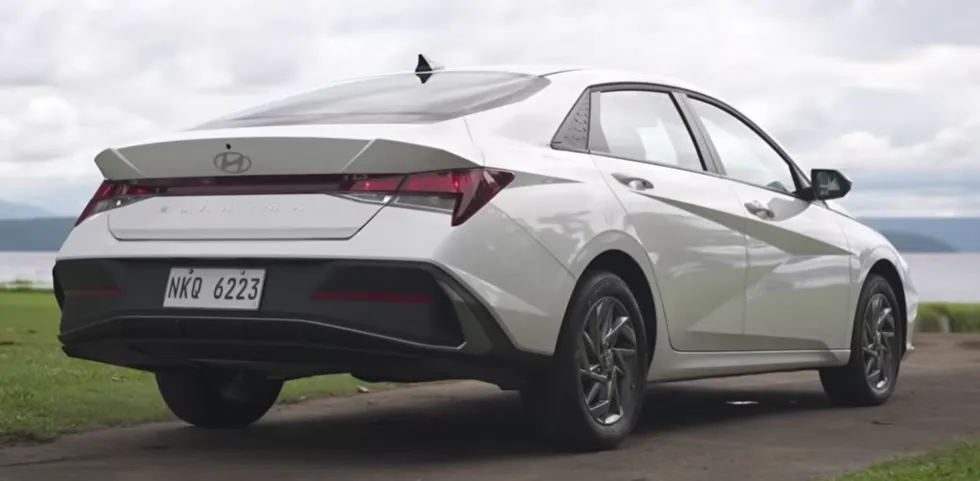
And honestly? I knew what she meant. From the outside the Elantra has this sharp angular look that photographs better than it reads in person at first glance. Slim LED lights. A low roofline. Parametric body lines running down the sides like someone pressed too hard with a ruler.
Cute, Sure. But three weeks later when I handed the keys back she asked me something I didn’t expect. “Can we actually get one of those?”
That’s the Elantra story in two sentences. First impression underwhelms. Living with it changes everything. Let me tell you exactly why.
Key Takeaways
- The 2026 Hyundai Elantra starts at around $22,000 for the SE and goes up to about $31,000 for the Limited. The Hybrid Blue starts at $25,450. Source: Hyundai, 2026.
- Real-world fuel economy on the base 2.0-liter is genuinely impressive. Edmunds testers hit 41.8 mpg in mixed driving. Source: Edmunds, 2026.
- The Hybrid version gets up to 54 mpg combined on the Blue trim. That number is real. Source: EPA, 2026.
- Hyundai’s warranty is the longest in the class. Five years bumper to bumper, ten years powertrain, three years free maintenance. Source: Hyundai, 2026.
- The back seat is tighter than the Honda Civic. Adults over 5’10” will feel it on longer trips.
- Interior quality is good at the top trims and noticeably cheaper feeling on the base SE. Choose your trim carefully.
- The N Line and Elantra N exist for people who actually want to feel something when they drive. They’re a completely different car underneath.
The First Week: Learning What the Elantra Actually Is
Day one I pulled out of the driveway heading to school drop-off.
Both kids in the back. My son immediately said the seat felt different from our usual car. Firmer. More upright. He wasn’t wrong. The Elantra sits you in a specific way that takes a day or two to feel normal. Not uncomfortable. Just different.
The 2.0-liter four-cylinder engine makes 147 horsepower. Source: Hyundai, 2026. That sounds low. On paper it is low. But the CVT transmission keeps it in its happy range and around town the Elantra never feels sluggish. It just moves. Quietly. Efficiently. Without drawing attention to itself.
The infotainment screen lit up in about 8 seconds from cold start. Wireless Apple CarPlay connected in under 10 seconds every morning. Fast. Clean. The dual 10.25-inch screens that come on the SEL Sport Premium and Limited trims look genuinely modern. Not like something from 2019 wearing 2026 clothes. Actually current. Day three I noticed the fuel gauge.
Three days of school runs, errands, and one longer highway stretch. The gauge had barely moved. That’s when the Elantra started getting my attention in a real way.
I ran the numbers at the end of week one. Mixed driving. About 340 miles. Used less than a quarter tank. The EPA combined rating is 35 mpg for the standard SE. Source: EPA, 2026. I was tracking closer to 38. That’s not a small thing.

The Car That Lives Two Different Lives
Here’s something most Elantra reviews miss.
There isn’t one Elantra. There are essentially three.
The standard gas models from SE up through Limited are calm, efficient, practical daily drivers. The kind of car that never surprises you and never disappoints you. Reliable. Quiet. Good on fuel.
The N Line and its 1.6-liter turbocharged engine making 201 horsepower is a different personality. Source: Hyundai, 2026. Stiffer. More responsive. Still practical but now with some edge to it. The kind of car a younger buyer or a driving-focused buyer picks when they want something that isn’t just transportation.
The Elantra N with 276 horsepower and up to 286 horsepower in N Grin Shift mode. Source: Hyundai, 2026. That one is not a daily commuter dressed up. That one is a proper hot hatch wearing sedan clothes. It’s fast. Actually fast. And it costs around $35,000 which puts it in genuinely interesting sports car territory.
I spent most of my lease in the SEL Sport. The regular 2.0-liter. But I borrowed a friend’s N Line for an afternoon on week two.
The difference hit me immediately on the first on-ramp.
The turbo fills in. The car responds. You press the accelerator and it goes with intention rather than obligation. My 6-year-old noticed something changed. “Dad why is the car talking?” he said when the exhaust note got slightly louder under hard acceleration. I told him the car was just saying good morning. He accepted that.
What It Costs to Actually Own the 2026 Elantra
Breakdown. No fluff.
| Trim | Starting Price | Engine | Best For |
|---|---|---|---|
| SE | ~$22,000 | 2.0L 147hp | Budget buyers |
| SEL Sport | ~$24,000 | 2.0L 147hp | Best value entry |
| SEL Sport Premium | ~$26,500 | 2.0L 147hp | Tech and comfort sweet spot |
| Limited | ~$29,000 | 2.0L 147hp | Top gas trim |
| Hybrid Blue | ~$25,450 | 1.6L Hybrid 139hp | Fuel economy priority |
| Hybrid Limited | ~$31,790 | 1.6L Hybrid 139hp | Top hybrid trim |
| N Line | ~$27,500 | 1.6T 201hp | Performance + practicality |
| Elantra N | ~$35,000 | 2.0T 276hp | Pure performance |
Source: Hyundai, Edmunds, 2026.
The SEL Sport Premium is where most buyers should land. The new trim for 2026 adds a moonroof, heated front seats, stop-and-go adaptive cruise control, and the dual-screen layout without jumping to Limited pricing. Real value there.
Insurance runs around $1,100 to $1,400 per year. One of the lowest in the compact sedan class. Fuel costs on the base gas model at 15,000 miles annually work out to around $1,100 to $1,300 per year. The Hybrid Blue drops that to around $700 to $800 per year. Source: EPA FuelEconomy.gov, 2026.
The warranty. Worth stopping on this one.
Five years or 60,000 miles bumper to bumper. Ten years or 100,000 miles on the powertrain. Three years or 36,000 miles of free scheduled maintenance. Source: Hyundai, 2026. No other compact sedan comes close to this. Not Toyota. Not Honda. Not Mazda. This warranty changes the real cost of ownership conversation significantly.
The Second Week: Family Reality Check
My wife took over driving duties for most of week two.
She drives differently than I do. Smoother. More patient in traffic. Less interested in on-ramp behavior. She cares about three things in a car. Easy parking. Comfortable seat. Good visibility.
The Elantra scored well on two of those.
Parking in a tight grocery store lot on day nine was a non-event. The Elantra is 184 inches long and the turning radius is tight. She parked it in one smooth motion in a spot that usually requires her to adjust twice in our other car.
The seat. She said it took until day three to feel right but after that she stopped thinking about it. The lumbar is not adjustable on lower trims which is a real miss. On the SEL Sport Premium the seat shape is better and holds you through longer drives more comfortably.
Visibility rearward is where the Elantra struggles. That low roofline and the thick C-pillars make the rear corners hard to see. The backup camera helps. A lot. But without it the Elantra would be a genuinely tricky reverse parker in tight spaces. This is the design trade-off for the aggressive sloping roofline and it shows up every single day.
Car seat installation in the back. LATCH anchors accessible and usable without drama. Rear-facing infant seat fit fine behind my driving position at 6’1″. Forward-facing was equally straightforward. Two seats across the rear works. Three doesn’t.
My daughter sat in the back on day ten and complained about the ceiling being too close to her head. She is 4 years old. I measured the rear headroom after she said that. It’s 37.1 inches. Source: Hyundai, 2026. For a 4-year-old that’s not close at all. She was just in one of those moods. The point is the rear seat is fine for kids and adults under 5’10” on most trips.
The Fuel Economy Week
Week three I decided to test the fuel economy properly.
Not highway only. Not city only. Real mixed driving the way most people actually use a compact sedan.
Monday. School run both ways, grocery store, one errand. Mostly city. Tuesday. Highway heavy. A 60-mile round trip to visit family. Wednesday through Friday. Mixed again.
End of the week average across all that driving.
38.4 mpg.
The EPA combined is 35 mpg for the SE trim I was testing. Source: EPA, 2026. I beat it by more than 3 mpg in real world driving. That almost never happens.
The Hybrid changes this entirely. The Hybrid Blue gets 54 mpg combined according to EPA ratings. Source: EPA, 2026. Real owner data from KBB shows owners hitting 41 mpg and above in warmer months. Source: KBB consumer reviews, 2026. In a car that starts at $25,450 before any incentives, those fuel numbers make the Hybrid the most logical choice for anyone who drives more than 12,000 miles per year.
At 15,000 miles annually the Hybrid saves you roughly $400 to $500 per year in fuel costs over the standard gas engine. The Hybrid costs about $3,450 more upfront than the base SE. You make that back in fuel savings in about seven years. Longer than some people keep cars. But the Hybrid also has lower running costs in other ways and a powertrain that’s proven across millions of Hyundai vehicles.
What Tall and Short Drivers Both Need to Know
At 6’1″ the front seat works fine. Headroom is acceptable without being generous. The seat goes low enough and the roof is high enough that I wasn’t touching the headliner but I was aware of it in a way I’m not in some taller crossovers.
Sun visor at highway angles just barely covered what I needed. Bright afternoon sun coming from the west at highway speed required my sunglasses more than I’d like.
For shorter drivers around 5’2″ the low hood means good visibility forward. The car feels easy to place in traffic. Parking sensors help with everything behind you that the camera can’t fully cover.
For drivers 6’3″ and above. Check the front headroom in person before you commit. It works for some people at that height. It doesn’t for others. The rear seat above 6’1″ is a short-trips-only situation.
Three Honest Problems
No softening. Three things Hyundai still gets wrong.
The base SE interior uses hard plastics that feel cheap for a $22,000 car. You tap the door panel and it sounds hollow. The center console materials feel a step below what Honda and Mazda offer at similar prices. Moving up to the SEL Sport fixes most of this but the base trim undersells what the Elantra actually is. Don’t judge the car by the SE if you can help it. Source: Edmunds, 2026.
Rear visibility is genuinely poor. The sloping roofline that makes the Elantra look sharp from outside creates thick C-pillars and a small rear window inside. Changing lanes requires real reliance on the mirrors and blind spot warning system. The backup camera is clear but the physical rearward sightlines are worse than the Civic and Corolla.
The rear seat is tighter than the Honda Civic’s. Legroom measures 34.7 inches. Source: Hyundai, 2026. The Civic gives you 37.4. That gap is real when you have adult passengers in the back regularly. Kids won’t notice. Taller adults on longer trips will.
How Reliable Is the 2026 Hyundai Elantra?
Good overall with a caveat.
The Elantra earned IIHS Top Safety Pick Plus for 2026, the highest rating available. Source: IIHS, 2026. Hyundai SmartSense driver assistance features come standard on all trims including forward collision warning, automatic emergency braking, lane departure warning, and blind spot warning.
Consumer reliability data is positive and improving. Seventy-seven percent of KBB reviewers recommend the 2026 Elantra. Source: KBB consumer reviews, 2026. Common complaints include some road noise on rough surfaces and occasional transmission hesitation at very low speeds with the CVT.
One real ownership story from KBB stood out. A 2022 Hybrid Blue owner who bought a 2026 to replace it mentioned the hybrid battery failed at 30,000 miles in Arizona on the earlier car. Hyundai replaced it under warranty at no cost. That’s the warranty working exactly as it should and the resolution matters as much as the problem. Source: KBB consumer reviews, 2026.
No significant recalls active on 2026 models as of publication. Source: NHTSA recall database, 2026.
Routine maintenance is low. Three years of scheduled service included in the purchase price. After that oil changes, tire rotations, and filters run $300 to $450 per year on the gas model.
My Personal Opinion
Okay. The honest version.
I went into this lease expecting the Elantra to be the sensible choice that nobody gets excited about. The car people buy because it makes financial sense rather than because they wanted it.
I was partially right.
The base gas model in SE trim is exactly that. Sensible. Efficient. Unremarkable. Good.
But the Hybrid changes the math in a meaningful way. The SEL Sport Premium adds the tech and comfort that makes the interior feel like something from a more expensive class. And the N Line. That one I did not expect to enjoy as much as I did.
The warranty is a genuine competitive advantage that Hyundai doesn’t talk about enough in their own marketing. Ten years on the powertrain means you can drive this car past 150,000 miles with real protection behind you. That changes what the $25,000 purchase price actually means over time.
My wife’s question on the last day. “Can we actually get one of those?” She meant the SEL Sport Premium. She’d driven it the most. She noticed the fuel economy. She liked the parking ease. She appreciated the seat after week two.
Would I buy one? The Hybrid SEL Sport Premium. Without much debate. The fuel savings, the warranty, the modern tech, and the overall value package make it one of the strongest arguments in compact sedans right now.
Just make sure you see the rear visibility issue before you commit. It bothers some people and doesn’t bother others. You’ll know which group you’re in within about five minutes of driving.
Frequently Asked Questions
Is the 2026 Hyundai Elantra Hybrid worth the extra cost over the gas model? For most buyers who drive 12,000 miles or more per year, yes. The fuel savings of $400 to $500 annually start paying back the price difference and the Hybrid powertrain is proven across millions of Hyundai vehicles. The Hybrid Blue at 54 mpg combined is one of the most efficient non-plug-in cars on sale right now. Source: EPA, 2026.
How does the 2026 Elantra compare to the Honda Civic? The Civic has more rear legroom, better rearward visibility, and a slightly more premium base interior. The Elantra offers a longer warranty, lower starting price, and better fuel economy on comparable trims. Both are excellent. The Elantra wins on value and warranty. The Civic wins on interior spaciousness and rear visibility.
What is the best trim of the 2026 Hyundai Elantra? The SEL Sport Premium for gas buyers. It’s a new trim for 2026 that adds a moonroof, heated seats, adaptive cruise control, and the dual-screen layout at a price that makes sense. The Hybrid SEL Sport for buyers who prioritize fuel economy. Source: Hyundai, 2026.
Is the Elantra N Line worth buying over the standard Elantra? If you care about how a car drives and want some personality without going full performance car, yes. The N Line adds a 1.6-liter turbo making 201 horsepower, a sportier suspension, and a more engaging overall experience. It costs around $27,500 and is genuinely fun in a way the standard Elantra isn’t. Source: Hyundai, 2026.
How long does the Hyundai Elantra last? With regular maintenance most Elantras run well past 200,000 miles. The 10-year powertrain warranty from Hyundai covers the most expensive potential repairs and provides real protection across high-mileage ownership. Source: Hyundai, 2026.
Does the 2026 Hyundai Elantra have wireless Apple CarPlay? Yes. Wireless Apple CarPlay and Android Auto are standard across all 2026 Elantra trims. Source: Hyundai, 2026.
Is the 2026 Elantra safe? Yes. IIHS awarded it Top Safety Pick Plus, the highest available rating. All trims include Hyundai SmartSense with forward collision warning, automatic emergency braking, lane departure warning, blind spot warning, and driver monitoring. Source: IIHS, 2026.