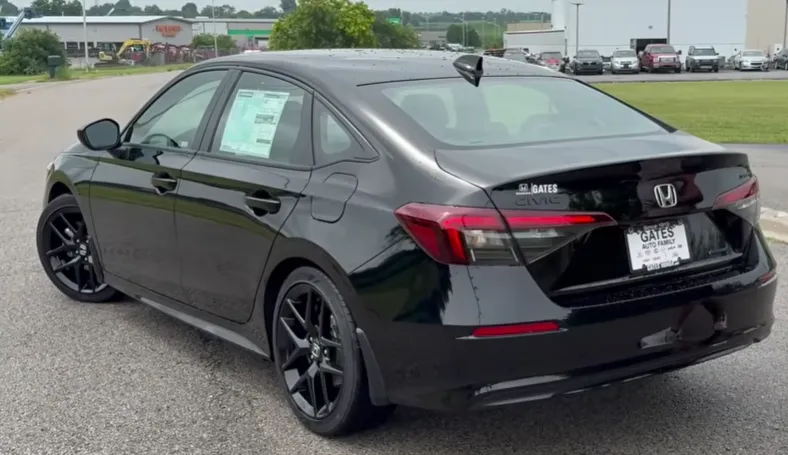
When the Civic showed up in my driveway I genuinely thought this was going to be the boring one. The one I drive for three weeks, say “yeah it’s fine,” and move on. A small sedan. Nothing flashy. Nothing that makes you look twice in a parking lot.
I was wrong. Not a little wrong. Actually wrong. Three weeks later I handed back the keys and immediately started thinking about who in my life I should tell to buy one. That doesn’t happen often. Let me tell you why it happened with the Civic.
Key Takeaways
- The 2026 Honda Civic starts around $24,000 and the sweet spot trim lands near $28,000 with the features most people actually want.
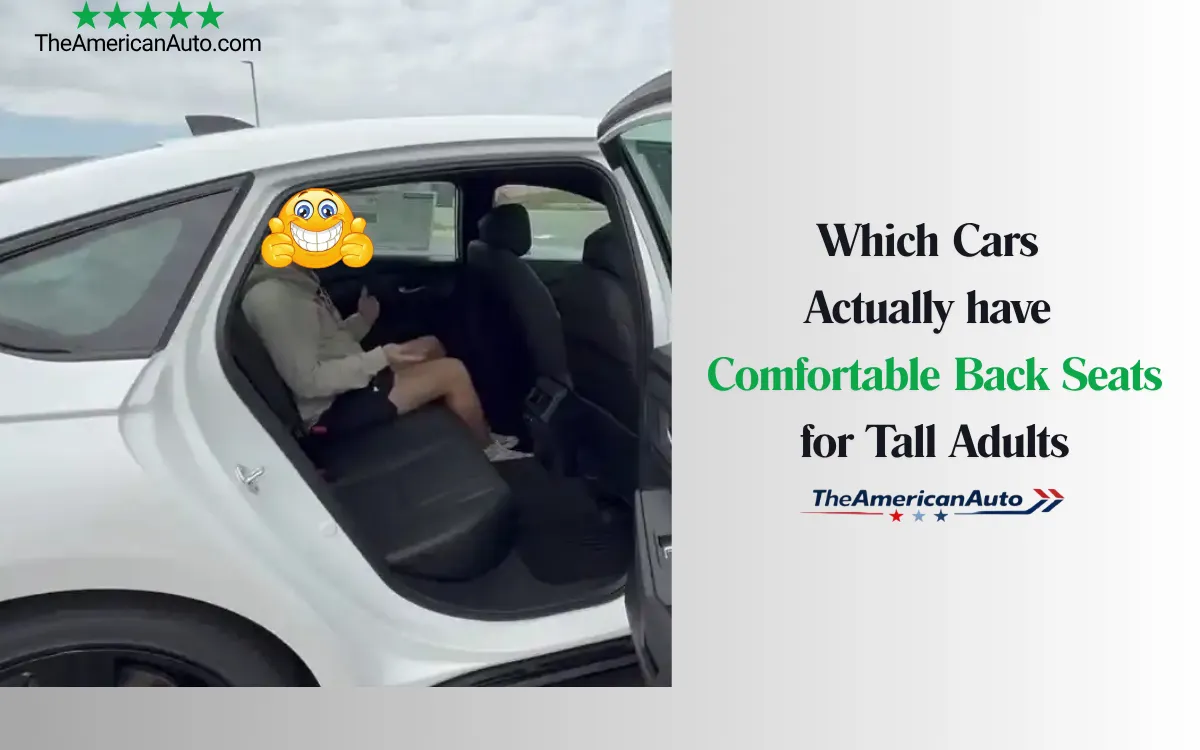
- Rear legroom is genuinely surprising for a compact sedan. Adults fit back there. Real adults.
- The 1.5-liter turbocharged engine feels much bigger than it sounds on paper.
- Honda’s infotainment system is one of the best in this class. Fast, clean, easy.
- The Civic Si brings real driving fun without destroying your fuel budget.
- Build quality feels a full price class above what you’re paying.
- This is the most complete small car on sale right now at this price. That’s not a marketing line. That’s three weeks of real driving talking.
The Mistake Most Civic Buyers Make Before They Even Get to the Lot
Here it is. They look at the price, think “entry level car,” and automatically start mentally compromising before they’ve seen it. They expect thin plastic. They expect a basic screen. They expect to feel like they’re in something cheap.
So when they sit in it they’re pleasantly surprised. But they’re not surprised enough. Because they’re still comparing it to their low expectations instead of comparing it to everything else at this price.
Let me tell you what the Civic actually competes with.
At $26,000 to $28,000 for the Sport or EX trim you’re in the same territory as some entry-level luxury options and a lot of crossovers that honestly don’t deserve to cost that much. Against those things the Civic doesn’t just hold its own.
It wins.
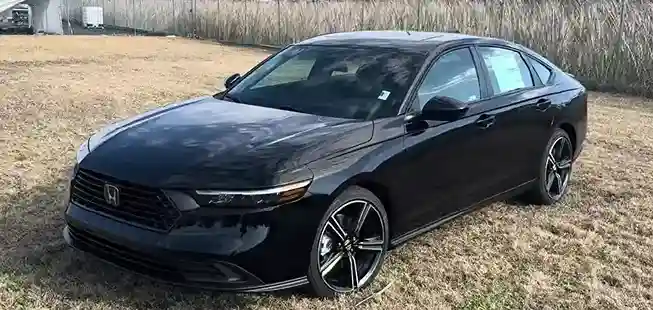
The dashboard materials feel solid. Not soft-touch everywhere but not hollow-sounding plastic either. The kind of quality where you tap the door panel and it doesn’t flex. You open the glovebox and it doesn’t feel like it’ll fall off in three years. Small things. But they add up to an impression that the car costs more than it does.
First morning I got in, adjusted the seat, and noticed the seat itself. Supportive. Actually shaped like a human back. Not the flat cushion you find in a lot of budget sedans. My lower back didn’t complain once in three weeks. Not once. That’s worth mentioning.

So What Does It Actually Cost?
Let’s be real about the numbers.
| Trim | Starting Price | What You Actually Get |
|---|---|---|
| LX | ~$24,000 | Basic, gets the job done |
| Sport | ~$26,000 | Best entry point for most buyers |
| EX | ~$28,000 | Sweet spot, adds sunroof and better safety |
| Sport Touring | ~$31,000 | Top non-Si trim, loaded |
| Si | ~$30,000 | Performance focused, manual available |
| Type R | ~$45,000 | Full hot hatch, different animal entirely |
The Sport or EX.
That’s where most people should land. The LX is fine but it feels like the one Honda made just to have a low advertised price. Once you’re in the Sport you get the 18-inch wheels, a bigger infotainment screen, and enough content to feel like a complete car.
The EX adds a sunroof, wireless CarPlay, and Honda Sensing safety suite as standard. For $2,000 more than the Sport it’s a strong argument.
Now. Insurance runs $1,100 to $1,500 per year for most drivers. One of the lower figures in this class. Fuel economy in real mixed driving came out to around 34 to 35 mpg with the 1.5-liter turbo. The EPA combined rating is 36 mpg for most trims. Source: EPA FuelEconomy.gov, 2025. At 15,000 miles a year that’s roughly $1,200 to $1,400 in annual fuel costs. Genuinely low.
Resale is solid. Around 52 to 56 percent after three years. Source: Kelley Blue Book, 2025. Not Tacoma levels. But better than most European competitors at this price.
Three Weeks. Here’s What Actually Happened.
Day one. School run. Kids in the back.
My daughter, who is 4, needed a small step up to get into the rear seat. Not as easy as the Tahoe. But manageable. She didn’t ask for help after day two.
My son, who is 6, climbed in independently and immediately found the rear air vents. He spent a full minute adjusting them. This is the kind of thing a kid does when the car feels interesting rather than generic. Good sign.
Rear legroom. Okay this is the thing that surprised me most on day one.
37.4 inches of rear legroom in the Civic. Source: Honda, 2025. My brother-in-law, who is just under 6 feet, rode in the back for 45 minutes. No complaints. Zero. He said it was more comfortable than the back of his friend’s Camry. I believed him because he complains about everything.
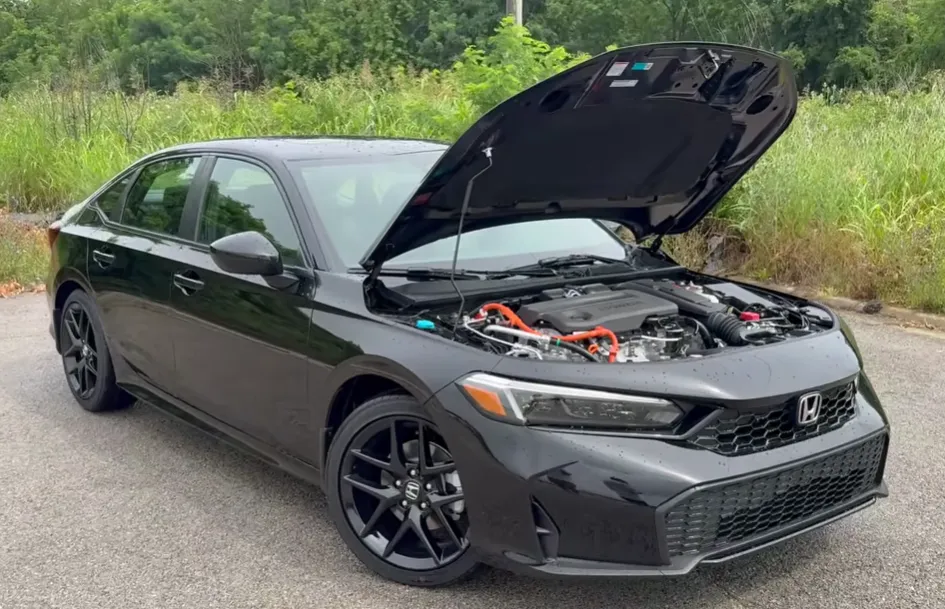
Day four I took it on a highway run. About 80 miles each way. The 1.5-liter turbocharged engine makes 192 horsepower and it pulls confidently at highway speeds. Source: Honda, 2025. Zero to 60 in about 7.5 seconds. That number sounds average. It doesn’t feel average. The torque comes in early from the turbo and passing on the highway requires no mental preparation. You just go.
Wind noise at 75 mph. Very quiet. Better than cars costing $10,000 more. I noticed it because I was specifically listening for it. Without trying to notice it, you probably wouldn’t.
Day seven. Parked in a tight city lot. The Civic is 184 inches long. The backup camera was clear. The turning radius is tight. I parked it in a spot I would have thought twice about in something bigger without any stress at all. That matters. Every single day it matters.
The infotainment. Loaded in about 7 seconds from cold start. The screen is 9 inches on the Sport and a larger format on higher trims. Responsive. Fast. Wireless CarPlay connected in 9 seconds every morning. The native Honda system underneath CarPlay is one of the better ones I’ve used in this class. Not as polished as something from a $50,000 car. But way better than what Toyota offers at this price.
One thing I noticed on day nine. The door. Closes with a sound that’s clean and light but not cheap. Hard to explain. It’s the sound of something precise rather than something heavy. My wife noticed it independently. She said “this car sounds well made.” She wasn’t wrong.
What It’s Like for Families
Small car. Big back seat. Weird combination that actually works.
Two car seats in the rear fit fine. LATCH anchors are accessible. Rear-facing infant seat fit behind my driving position at 6’1″ without requiring the seat to move forward. Forward-facing was straightforward. Easy install. No wrestling.
Three car seats across the rear? No. That’s not happening. The Civic is a compact sedan not a minivan.
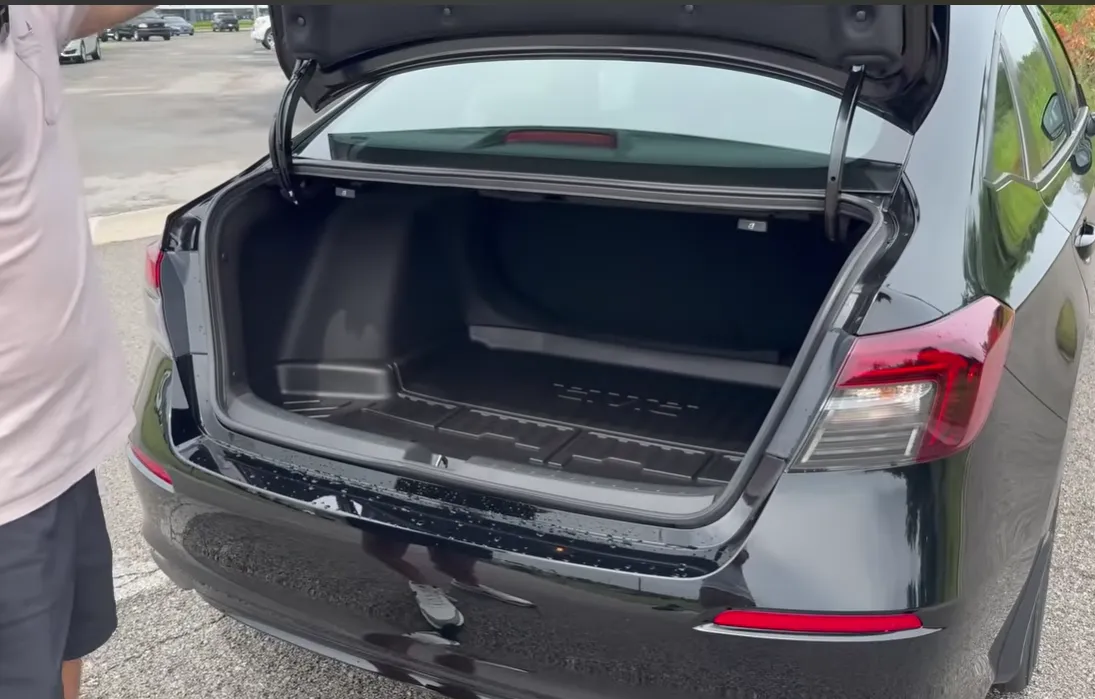
Trunk space is 14.8 cubic feet. Source: Honda, 2025. A folded stroller fits with the seats up. Just. Grocery run for a family of four fit fine. Four bags, a case of water, backpacks. Everything went in without stacking.
The trunk lip is lower than average. Loading is genuinely easy. No awkward lifting. My wife does the grocery run more often than I do. She specifically mentioned the trunk as being easy. Unprompted. That tells you something.
Rear passengers get USB ports. On the back of the center console. Easy to reach. My son found his in about 20 seconds on the first trip which is my unofficial benchmark for port placement success.
Tall and Short Drivers: What You Need to Know
At 6’1″ I had real headroom up front. Not the “technically fits” kind. The comfortable kind where you forget about it.
Sun visor coverage at highway sun angles was just right. Didn’t need sunglasses any more than usual.
For shorter drivers around 5’2″ the hood disappears naturally and the car feels easy to place in traffic. Visibility all around is very good. No obvious blind spots that required extra checking.
For drivers 6’3″ and above, the front seat still works. It’s close to the headliner but not touching. The rear seat gets tighter above that height. Anyone 6’2″ or above in the back seat will want shorter trips.
The Honest Problems
Three. No softening.
The base LX trim undersells the car. Sitting in an LX on a dealer lot gives you the wrong impression of what the Civic is. The screen is smaller. The wheels look cheaper. The whole thing feels a step below what the Sport and EX deliver. If you’re test driving, ask specifically for the Sport or EX. Don’t judge the Civic by the base trim.
Cargo space is adequate but not generous. 14.8 cubic feet sounds okay until you’re packing for a weekend trip with two kids. You can make it work. But you’ll be thinking about it. A crossover at a similar price gives you significantly more room.
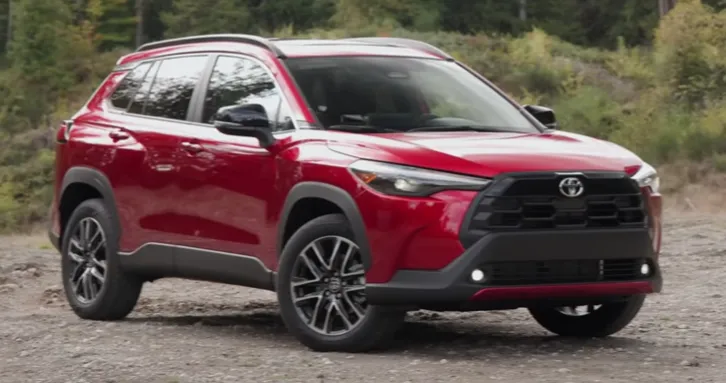
The ride is firmer than the Corolla. Honda tuned the Civic to feel more connected to the road. That’s a feature if you like driving. It’s a mild annoyance if you just want smooth and quiet. On rough city roads you feel the surface more than you would in a Corolla. Not harsh. Just present.
How Reliable Is the 2026 Honda Civic?
Very good. Consistently.
Consumer Reports gives the Civic top reliability scores. Source: Consumer Reports, 2025. The 1.5-liter turbocharged engine has been in production since 2016 and the reliability data on it is well understood and positive. Owner forums are quiet on major mechanical issues.
Common small complaints from real owners include the 1.5-liter engine running slightly rough at cold idle for the first 30 seconds, the infotainment occasionally needing a reboot after a software update, and some owners reporting road noise on certain highway surfaces being more noticeable than expected.
No significant recalls active on 2026 models as of publication. Source: NHTSA recall database, 2025.
Routine maintenance costs around $350 to $500 per year. Oil changes on the 1.5-liter turbo use full synthetic and Honda recommends 5,000 to 7,500-mile intervals depending on driving conditions. Brakes last around 50,000 miles with normal use.
Most Civics with regular care go well past 200,000 miles. Source: iSeeCars longevity data, 2025. The long-term ownership cost picture is very strong.
Civic vs The Main Rivals
| Feature | Honda Civic EX | Toyota Corolla XLE | Mazda3 Select |
|---|---|---|---|
| Starting Price | ~$28,000 | ~$26,500 | ~$25,000 |
| Rear Legroom | 37.4 inches | 34.0 inches | 33.1 inches |
| Horsepower | 192 hp | 169 hp | 191 hp |
| Infotainment | Excellent | Average | Very Good |
| Reliability | Excellent | Excellent | Good |
| Fun to Drive | High | Low | Very High |
| Fuel Economy | 36 mpg combined | 34 mpg combined | 32 mpg combined |
The Corolla wins on reliability reputation and price. The Mazda3 wins on driving feel and interior design. The Civic wins on rear legroom, infotainment, fuel economy, and the overall package balance.
For most buyers the Civic is the most complete answer in this comparison.
My Personal Opinion
Okay.
Here’s where I land after three weeks.
The Civic surprised me in a way that doesn’t happen much anymore. I went in expecting competent and forgettable. I got competent and actually enjoyable. The driving feel, the rear seat space, the infotainment responsiveness, the fuel economy. None of these things are the best in class on their own. But all of them together at this price? Nothing else does the whole package this well.
The Si deserves a separate mention. I drove one for two days during the lease period. Manual gearbox. More power. Stiffer suspension. It’s genuinely fun in a way that most affordable cars stopped being years ago. If you care even a little about driving, try the Si before you decide.
Would I buy the Civic? If someone in my family needed a car right now and they were okay with sedan-sized cargo space, yes. The EX trim. Add nothing from the dealer. Drive it for ten years and smile every time someone asks what you’re driving and you say “a Civic” and they look slightly confused because it doesn’t behave like what they expect a Civic to be.
That gap between expectation and reality is the whole story of this car.
Frequently Asked Questions
Is the 2026 Honda Civic good for tall drivers? Yes up to about 6’2″ in the front seat comfortably. Above that it gets close to the headliner but still workable. Rear seat gets tight for anyone above 6’0″ on longer trips.
How does the 2026 Civic compare to the Toyota Corolla? The Civic offers more rear legroom, better infotainment, more horsepower, and better fuel economy. The Corolla has a stronger long-term reliability reputation and a lower starting price. Both are excellent. The Civic is the more complete daily package. The Corolla is the safer long-term bet.
Is the Honda Civic Si worth the extra money? If you care about driving, yes. The Si adds a more powerful engine, a manual gearbox option, and a sportier suspension tune. It costs around $30,000 and delivers a driving experience that nothing else at this price comes close to.
How reliable is the 2026 Honda Civic? Very. Top Consumer Reports reliability scores and a well-proven 1.5-liter turbo engine with years of positive data behind it. Routine maintenance is low cost and major mechanical issues are rare.
Does the 2026 Civic have enough back seat space for adults? Yes. 37.4 inches of rear legroom is genuinely generous for a compact sedan. Adults up to about 6’0″ are comfortable back there on most trips.
What is the fuel economy of the 2026 Honda Civic? Around 34 to 35 mpg in real mixed driving. EPA combined rating is 36 mpg for most trims. Source: EPA FuelEconomy.gov, 2025. One of the better figures in the compact sedan class without going hybrid.
Should I buy the Civic or wait for the hybrid version? Honda offers a Civic hybrid in some markets. If fuel economy is your priority and a hybrid is available in your region, it’s worth considering. The standard 1.5-liter turbo gets strong real-world economy on its own though and most buyers won’t find the hybrid savings dramatic enough to justify waiting.