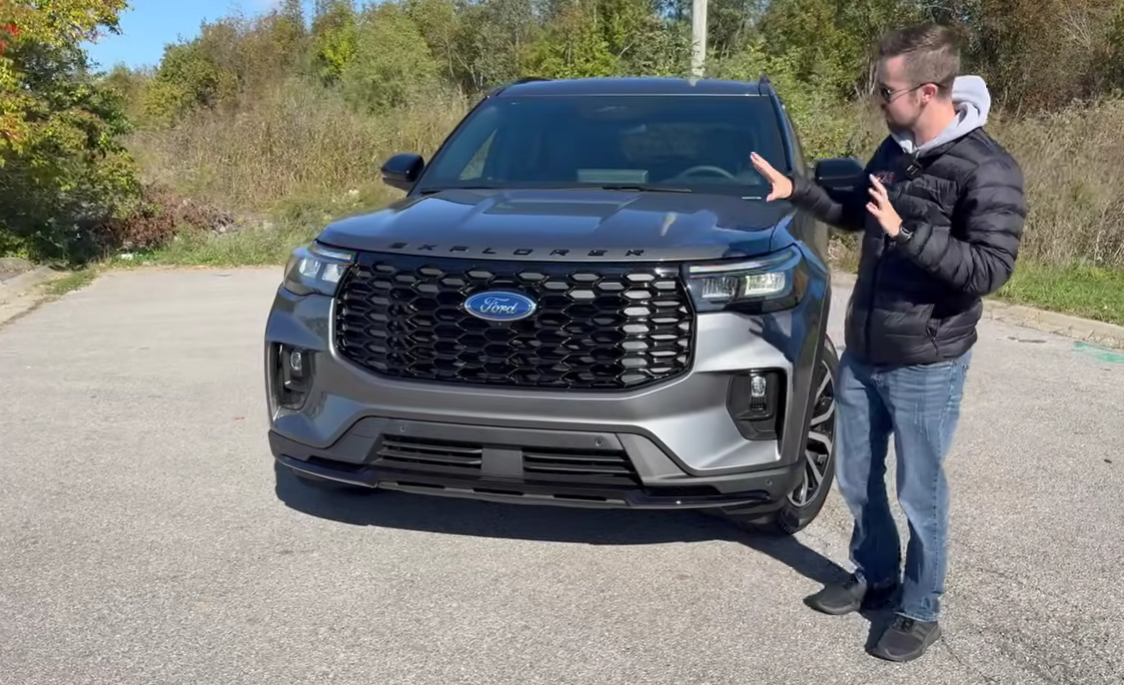
Here’s the mistake most Explorer buyers make. They walk into the dealership, sit in it for ten minutes, think the seats feel great and the screen looks big, and sign the papers. Then three months later they’re living with a third row their kids refuse to sit in, a cargo area that disappears the second all seven seats are in use, and a fuel bill that’s higher than they planned for. I’ve seen it happen. I almost did it myself.
So before you do any of that, let me tell you what a week of real family life in the 2026 Ford Explorer actually looks like.
Key Takeaways
- The 2026 Ford Explorer starts around $36,000 and climbs past $58,000 on the top Platinum trim, and most buyers end up spending more than they planned.
- The third row fits kids comfortably but most adults over 5’9″ will feel cramped on anything longer than a short drive.
- Cargo space behind the third row is genuinely small at 18.2 cubic feet, which matters more than people realize until they’re at the airport.
- The 2.3-liter EcoBoost four-cylinder is the base engine and it works fine, but the available 3.0-liter twin-turbo V6 is a completely different vehicle in terms of feel.
- Ford’s infotainment on the Explorer is one of the better systems in this class, fast and intuitive with good wireless connectivity.
- At 6’1″ Danny had zero front headroom issues but the sloping roofline cut into rear headroom more than expected.
- The Explorer is the right call if you want a three-row SUV that drives more like a car than a truck. It’s the wrong call if cargo space is your priority.
The Problem Most Explorer Buyers Walk Into
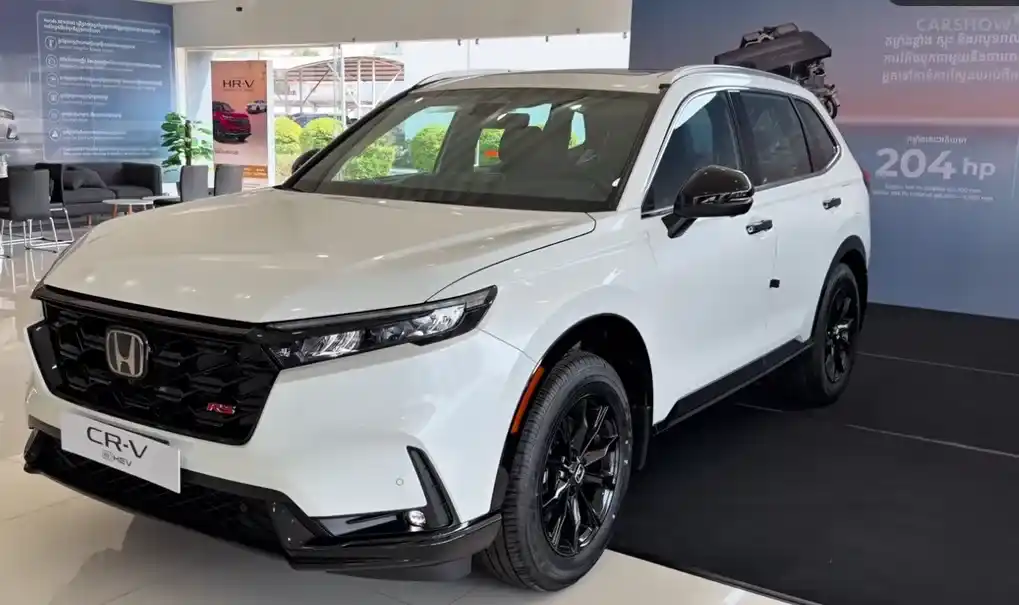
Let me start with the thing that catches people off guard more than anything else in this class. The Ford Explorer looks big from the outside. It is big from the outside. It’s 198 inches long and nearly 79 inches wide. You pull up next to a Honda CR-V and it towers over it. So people assume big outside means big inside everywhere.
It doesn’t.
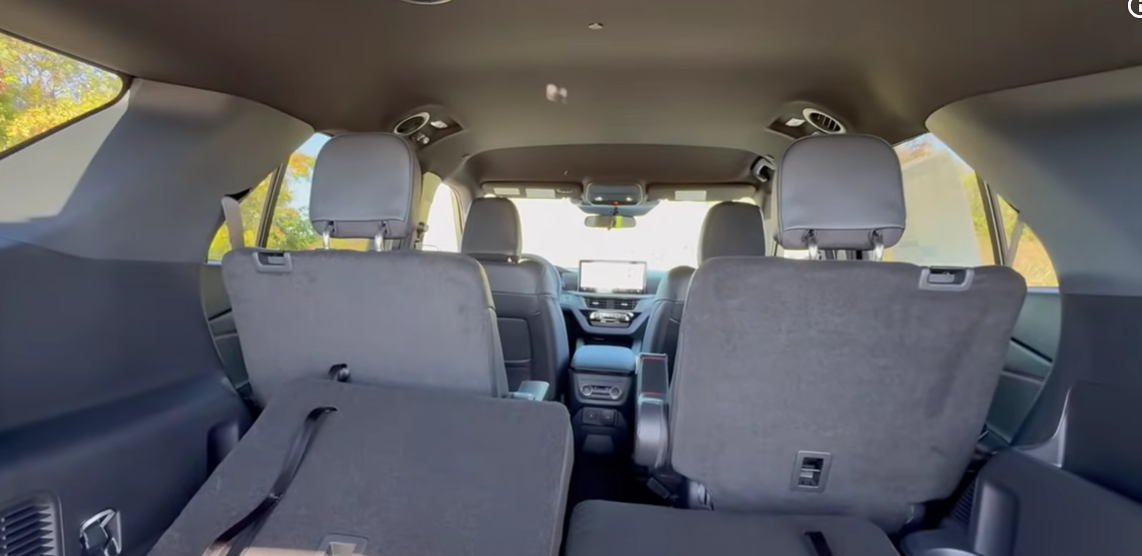
The third row and the cargo area behind it got squeezed to make the Explorer ride lower and handle better than a traditional body-on-frame SUV. That’s a real engineering trade-off and Ford made it deliberately. The Explorer drives beautifully for something this size. But you give up genuine third-row usability and real cargo capacity to get that.
I found this out personally when I tried to fit two carry-on suitcases, a stroller, and my kids’ backpacks behind the third row on a long weekend trip. One carry-on fit. The stroller did not. We folded the third row and lost two seats to get everything in. That’s the Explorer reality nobody shows you in the brochure.
If cargo is your life, read the Chevy Tahoe piece on this site instead. If you want something that feels good to drive and handles school runs and road trips with kids in the second row, keep reading.
How Much Should You Actually Budget for the 2026 Ford Explorer?
The sticker price is just the starting point. Here’s the real picture.
| Trim | Starting MSRP | Who It’s For |
|---|---|---|
| Base | ~$36,000 | Bare bones, skip it |
| XLT | ~$41,000 | Best entry point |
| ST-Line | ~$44,000 | Sporty looks, same base engine |
| Limited | ~$50,000 | Sweet spot for features |
| ST | ~$54,000 | 3.0L V6, performance focus |
| Platinum | ~$58,000 | Near-luxury, loaded |
The XLT is where most sensible buyers should start. It gets you the big touchscreen, wireless Apple CarPlay, second-row captain’s chairs, and enough features to feel modern without paying the Limited premium. The jump from XLT to Limited adds leather, a panoramic roof, and nicer trim but it’s a $9,000 jump that most families won’t feel day to day.
The ST is interesting if you want the 3.0-liter V6. That engine turns the Explorer from a comfortable family hauler into something that actually makes you feel something when you accelerate. 400 horsepower in a three-row family SUV is genuinely fun and genuinely unnecessary. I loved it.
Budget beyond the sticker for insurance at around $1,600 to $2,000 per year, fuel at $2,200 to $2,800 annually at 15,000 miles with the base engine, and tires at $900 to $1,300 for a full set replacement. The EcoBoost engine takes premium fuel on the 3.0-liter version. Worth knowing before you commit.
Resale on the Explorer is decent but not exceptional. Expect around 50 to 54 percent of purchase price after three years. Source: Kelley Blue Book, 2025. The Kia Telluride and Toyota Highlander hold value better, which matters if you trade in every few years.
I Drove It for a Week. Here’s What Happened.
Monday morning, first school run. I’m 6’1″ and the driver’s seat adjusted perfectly. Headroom was great, sightlines were clear, and the seat bolstering held me in place without squeezing. The door swung open wide and closed with a sound that felt solid and expensive. First impression was genuinely positive.
The 2.3-liter EcoBoost pushes out 300 horsepower and it never felt underpowered in normal driving. Highway merges were easy. Passing was smooth. Around town it was quiet and relaxed. This is not a slow vehicle by any measure.
Then Wednesday happened. I loaded the whole family for a longer drive. My 4-year-old needed a boost to get into the second row because the step height is real. She made it but complained about it, which is its own kind of product review. My 6-year-old climbed in independently and immediately started fighting over the window.
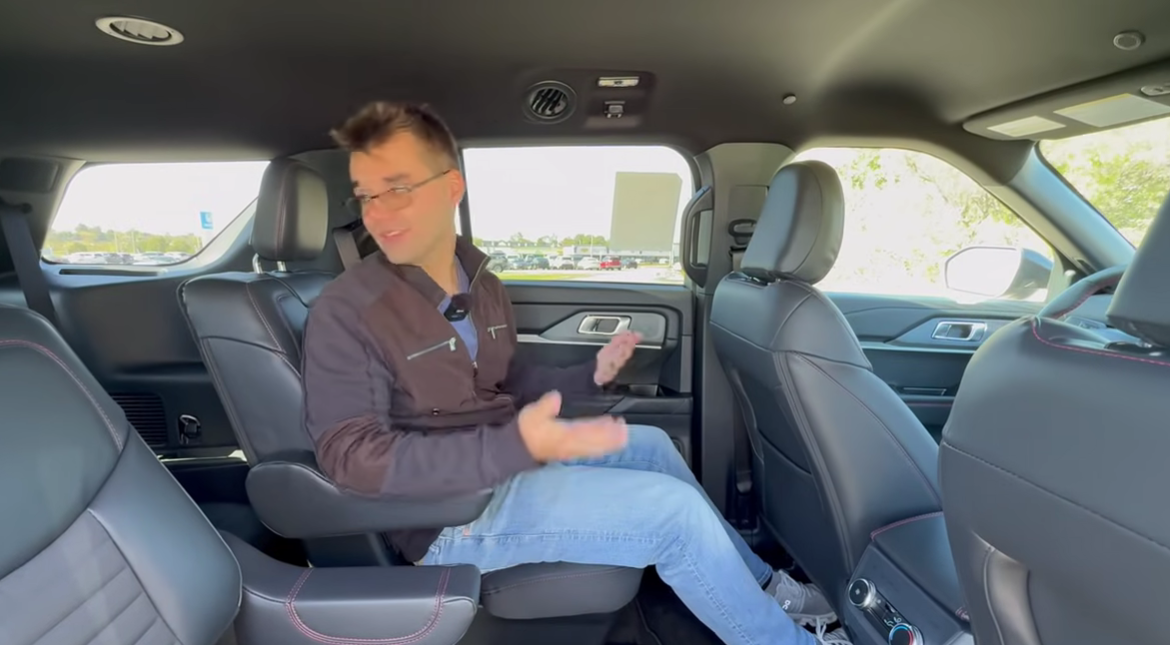
Getting into the third row required my kids to squeeze through the second-row captain’s chairs. It worked. Adults doing that same maneuver would feel like they’re auditioning for a contortionist act.
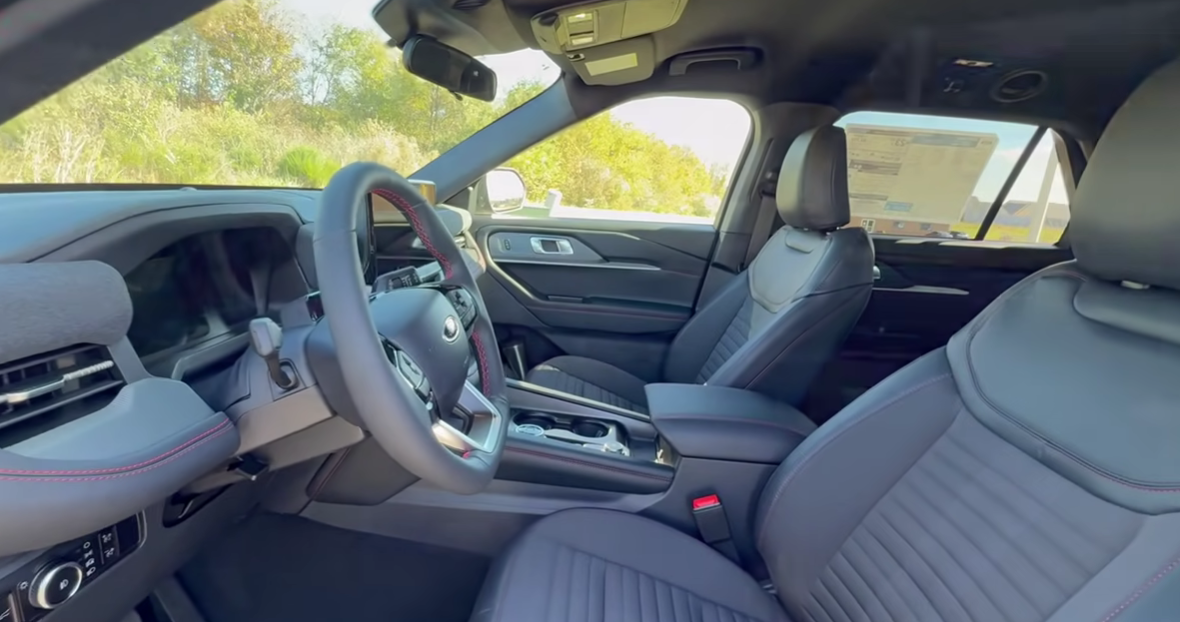
The infotainment screen loaded fully in about 8 seconds from cold start. That’s fast for this class. Wireless CarPlay connected within 10 seconds of starting the car every single day. The screen itself is 13.2 inches on most trims and it’s genuinely easy to use while keeping your eyes close to the road. Ford got this right.
Wind noise at 70 mph was very well controlled. I noticed a faint sound near the passenger side mirror at 75 but nothing that made conversation difficult. The ride soaked up highway expansion joints better than I expected from a crossover this size.
Will the 2026 Ford Explorer Actually Fit Your Family?
This depends entirely on how old your kids are and how often you use that third row.
For families with kids under 12, the third row works. My kids both fit back there with real legroom and headroom that didn’t feel punishing. They had cup holders, their own USB ports, and a window each. For school runs and local trips, no complaints from the back.
Installing a rear-facing infant seat in the second row was straightforward. The LATCH anchors were easy to find and accessible without an engineering degree. Forward-facing installation was equally clean. Two car seats in the second row with captain’s chairs between them is genuinely comfortable for the adults who have to do the installation.
Here’s the thing about the second row captain’s chairs that dealers don’t tell you. You can get a bench seat on certain trims. The bench seats seven. The captain’s chairs seat six. If you regularly carry six or seven people, ask specifically about the bench before you order. Most dealers default to the captain’s chairs because they look better on the lot.
My daughter did the grocery test with me. Four bags, a case of water, and her soccer bag all fit behind the second row with both rows in use. It was tight. The bag situation required some Tetris skills. She found the whole exercise very funny while I found it mildly stressful. The cargo cover barely reached over everything.
What Tall and Short Drivers Both Need to Know
At 6’1″ I fit well. The driver’s seat goes low enough that I had genuine headroom rather than the half-inch of clearance that some crossovers offer tall drivers. Sun visor coverage was solid at highway sun angles. I didn’t need sunglasses any more than usual.
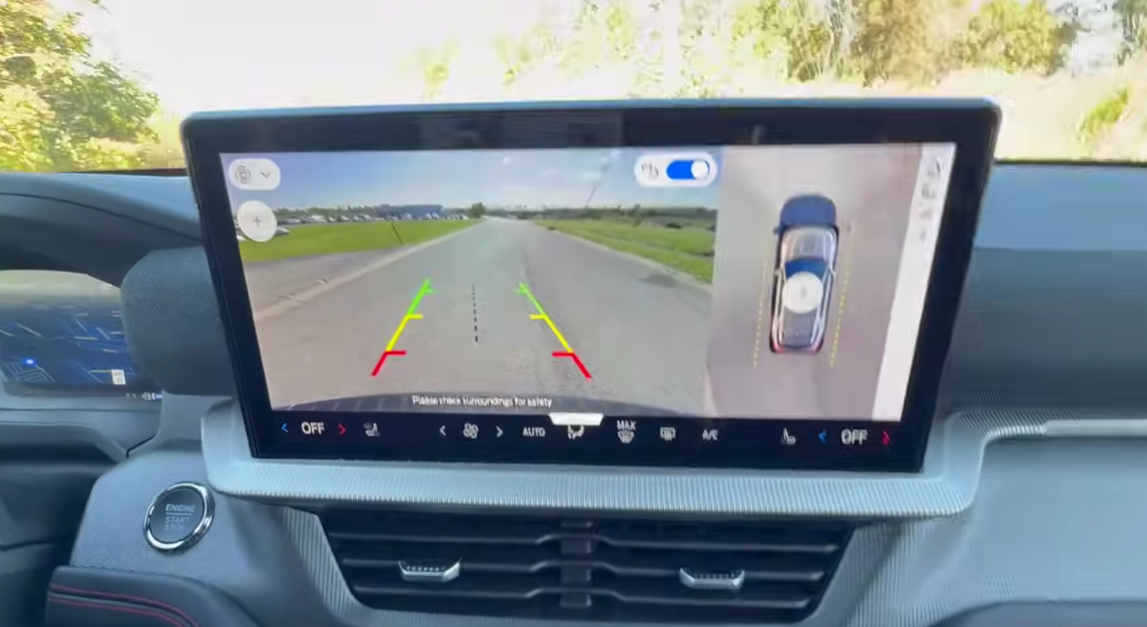
For shorter drivers around 5’2″, the hood disappears completely from view and the front corners are hard to see when parking. The standard backup camera is helpful but the parking sensors on the Limited and above make city parking genuinely easy. If you’re shorter and parking in tight urban spaces regularly, budget for a trim that includes the sensor package.
For drivers 6’3″ and taller, the front seat still works. The rear seat and especially the third row become a real question. Anyone over 6’2″ in the third row will have their head touching or very close to the headliner. It’s a kid seat, full stop, for anyone with real height.
The Stuff Ford Still Hasn’t Fixed
Three things. Said plainly.
The third row access is awkward for adults. Even with the second-row seat sliding forward, adults climbing into the third row feel undignified doing it. It’s not impossible. It’s just the kind of thing that reminds you this vehicle was designed with kids in mind for those rear seats. If you regularly carry adult passengers in the third row, this will get old.
The cargo situation behind the third row is legitimately small. 18.2 cubic feet sounds like a number until you stand at the back of the Explorer with a full family’s luggage and realize one large suitcase takes up half of it. Ford chose driving dynamics over cargo volume. That’s a defensible choice. But buyers consistently get surprised by it. Source: Consumer Reports owner satisfaction data, 2025.
Fuel economy is disappointing on the base engine. The EPA rating is 21 mpg combined for the 4WD 2.3-liter. In real mixed driving with a family load I averaged closer to 18.5 mpg. That’s not terrible for a three-row SUV but it’s not what the number on the window sticker prepared me for. Source: EPA FuelEconomy.gov, 2025.
How Reliable Is the 2026 Ford Explorer?
The Explorer has had a complicated reliability history. Earlier generations had well-documented issues, particularly around the 2011 to 2019 models. The current generation, which launched in 2020, represents a genuine step forward. Source: Consumer Reports, 2025.
The 2.3-liter EcoBoost engine itself has a good track record across multiple Ford vehicles. Common owner complaints on the current Explorer generation involve occasional infotainment glitches requiring a reboot, some reports of transmission hesitation at low speeds in the first year of ownership, and a few cases of wind noise from door seals that develops over time.
No significant recalls are active on 2026 models as of publication. Source: NHTSA recall database, 2025.
Plan for routine maintenance of around $400 to $600 per year for oil changes, tire rotations, and filters. The EcoBoost engine uses full synthetic oil and Ford recommends 10,000-mile oil change intervals, which keeps annual maintenance costs reasonable.
Most owners report the Explorer running well past 150,000 miles with regular maintenance. It’s not the set-it-and-forget-it reliability of a Toyota Highlander but it’s a solidly built vehicle if you keep up with the service schedule.
How Does It Feel to Drive Compared to the Competition?
Better than most people expect and better than anything truck-based in this segment.
The Explorer uses a rear-wheel-drive-based platform which gives it handling that feels planted and confident, especially on winding roads. Most crossover SUVs feel soft and vague in corners. The Explorer doesn’t. It tracks well, responds quickly to steering inputs, and doesn’t lean excessively in turns for a vehicle this tall.
| Feature | Ford Explorer | Kia Telluride | Chevy Tahoe |
|---|---|---|---|
| Starting Price | ~$36,000 | ~$36,000 | ~$56,000 |
| Third Row | Tight for adults | Better for adults | Genuinely usable |
| Cargo (3rd row up) | 18.2 cu ft | 21.0 cu ft | 25.5 cu ft |
| Driving Feel | Car-like | Comfortable | Truck-like |
| Fuel Economy | 21 mpg combined | 23 mpg combined | 16 mpg combined |
| Reliability | Good | Excellent | Good |
The Telluride beats it on cargo and reliability. The Tahoe beats it on third-row space and towing. But neither of them drives as well as the Explorer. That’s the trade-off in plain terms.
What to Do Before You Sign Anything
Test drive the XLT and the ST back to back if the dealer has both. The difference between the 2.3-liter and the 3.0-liter V6 is dramatic enough to change your decision. Don’t let the dealer tell you the base engine is “more than enough.” It is enough. The ST engine is noticeably better.
Sit in the third row before you leave the lot. Physically climb back there. Bring your tallest regular passenger and have them do the same. Ten minutes of research sitting in the actual seat will save you months of regret.
Ask specifically about the bench seat option if you need to seat seven. Most salespeople will show you the captain’s chair configuration because it photographs better.
Check the tow rating if towing matters to you. The Explorer is rated up to 5,600 pounds with the right package. That handles a mid-size boat or a small camper but it’s not a heavy-duty hauler by any measure.
My Personal Opinion
I like the Explorer more than I expected to. The driving experience is genuinely good. Ford figured out how to make a big family SUV that doesn’t feel like you’re piloting a barge, and that matters when you’re doing it every single day.
But I wouldn’t buy the base trim. The jump from the base to the XLT is worth every dollar. And if I could stretch to the Limited, I would, because the parking sensors alone save my sanity in parking garages.
Would I buy it over the Telluride? Honestly, it depends on whether I’m going on long road trips regularly. The Telluride’s extra cargo room and better reliability history would pull me that direction for a family that travels a lot. For a family that mostly does school runs and local weekends with occasional road trips, the Explorer’s driving feel wins me over.
The third row thing is real. If you have anyone over 12 who regularly needs that third row, look at the Tahoe. If your third row is mostly for kids under 12 and occasional overflow adults for short trips, the Explorer works fine.
I’d get the XLT, add the co-pilot assist package, skip every dealer add-on, and drive it for ten years.
Frequently Asked Questions About the 2026 Ford Explorer
Is the 2026 Ford Explorer good for tall drivers? The front seat works well for drivers up to about 6’2″. Above that, the headroom gets tighter. The third row is not comfortable for anyone over 5’10”.
Does the 2026 Ford Explorer require premium gas? The base 2.3-liter EcoBoost runs on regular 87 octane. The 3.0-liter ST engine requires premium 91 octane. Factor that into your fuel budget if you’re considering the ST trim.
How many car seats fit in the 2026 Ford Explorer? Two car seats fit comfortably in the second row with captain’s chairs. A third car seat in the second row requires the bench seat option. The third row is not suitable for car seat installation.
Is the Ford Explorer or Kia Telluride better for families? The Telluride offers more cargo space, better fuel economy, and stronger reliability scores. The Explorer drives better and handles more confidently. For most families prioritizing practicality, the Telluride edges it. For families who value the driving experience, the Explorer wins.
What is the towing capacity of the 2026 Ford Explorer? Up to 5,600 pounds when properly equipped with the towing package. That covers most boats, small campers, and utility trailers that family buyers actually need.
How long do Ford Explorers typically last? With regular maintenance most Explorers reach 150,000 to 200,000 miles without major mechanical issues. The current generation since 2020 has a better reliability track record than earlier models.
Is the 2026 Ford Explorer worth the price over a used one? A certified pre-owned 2023 or 2024 Explorer at $28,000 to $34,000 gives you essentially the same vehicle with minor feature differences and significant savings. If budget is a consideration, the CPO route is worth serious thought.